Do You Have a Physical Office in Sandy?
Our Utah physical office is at 193 E Fort Union Boulevard, Midvale, UT 84047. Sandy is a service area. Contact our team at 385-746-1803 to discuss a case review and meeting arrangements.

A Sandy personal injury lawyer helps people hurt by another party’s negligence. We gather evidence, review insurance, and seek payment for supported losses. Strong Law Accident & Injury Attorneys reviews car accidents, truck collisions, unsafe-property injuries, and other preventable harm. We serve Sandy and Salt Lake County from our Utah physical office in Midvale. A free case review can identify the relevant claim, evidence to preserve, and next steps.
A Sandy personal injury attorney can help answer three early questions. Which claim fits the incident? What evidence may disappear? Which decisions need attention now? Use the service guide below to find details for your type of accident, or contact us if the right category is unclear.

After an injury, first get appropriate medical care. Report the incident when necessary. Save photos, witness contacts, and the incident or police report. Keep treatment records, bills, missed-work records, and insurer messages too. A lawyer can help identify missing evidence and the parties who may be responsible.
Claims differ by accident. After a crash on I-15 or a Sandy street, we review driver fault and vehicle evidence. We also check coverage and Utah’s auto insurance rules. A fall at a business may turn on the condition of the property and what the owner knew or should have addressed. We review the facts before describing the likely path of a claim.
For accidents elsewhere in Salt Lake County, our Midvale personal injury page explains the office serving nearby communities. Our Salt Lake City page covers injuries in the city itself.
A claim may include medical bills, lost pay, and future care. It may also address how the injury affects daily life. The facts and law determine which losses apply. A lawyer can review the evidence, speak with insurers, and assess an offer. A lawsuit may be needed if the claim cannot be resolved. No lawyer can promise that insurance will pay every bill or guarantee a particular result.
Seek advice promptly if treatment is ongoing, you missed work, or fault is disputed. Act early if footage may be erased or an insurer is pressing for a statement or settlement. We can explain possible deadlines and whether representation fits your circumstances. Request a free case review.
Select the service that matches the incident or injury. Some cases involve more than one practice area; our team can explain how the claims fit together.
Choosing a Sandy injury lawyer.
Strong Law serves Sandy from our Midvale office at 193 E Fort Union Boulevard, Midvale, UT 84047. Call 385-746-1803 or request a free case review.
For the surrounding region, see Salt Lake City personal injury services.
Start with how the injury happened, who was involved, and the setting. A diagnosis alone does not identify the legal claim. A back injury from a car crash may involve different duties and insurance than the same injury from a workplace fall. The service pages above explain those differences in more detail.
More than one issue can overlap. A delivery worker struck by a driver may have a work-benefit claim. Another claim may concern the driver’s responsibility. Both need review. A fall in a care facility may raise questions about the property, supervision, or professional care. Those possibilities need to be evaluated from the facts rather than assigned a single label at the outset.
When you contact us, describe the event in plain language. You do not need to choose a legal theory first. The initial discussion can identify the right questions, the available records, and whether our services fit the matter.

A short timeline helps the team understand the incident and what has happened since. Include the date and location, the people or businesses involved, treatment received, and any contact from an insurer. Bring the records you already have. Missing paperwork should be identified, but it should not keep you from checking a deadline.
Tell the team if another lawyer has been involved or if you have already signed a release. Those facts can affect the review. Be clear about what you know, what you were told, and what remains uncertain. An accurate account allows a more useful assessment than a guess about responsibility or value.
Medical recovery and evidence preservation happen on different timelines. A camera recording may be overwritten while you are still attending appointments. A vehicle may be repaired, a damaged step replaced, or a witness become harder to reach. Identifying those issues early can help determine whether a preservation request is appropriate.
Keep original photographs, messages, and documents. Do not alter a damaged item to demonstrate how the incident occurred. If an item must be moved or repaired for safety, document what happened and tell your attorney. We need to identify who holds the records and whether they still exist. That helps us direct a request to the right person or business.
Continue to follow medical advice while legal questions are reviewed. A lawyer assesses claims and evidence; your providers address diagnosis and treatment. Explain symptoms honestly and keep the record of both progress and continuing limitations.
A useful evaluation starts with supported losses rather than an online average. Medical records can explain the injury and expected care. Work records can show income affected by restrictions. A factual account of changes to daily life can provide context that a bill alone does not capture.
The evaluation also considers responsibility, available insurance, defenses, and the evidence connecting the event to the harm. Two people with similar diagnoses can have very different claims. A large medical bill does not prove another party’s fault. A policy limit does not tell you what an insurer will pay.
Ask how attorney fees, case expenses, unpaid medical balances, and valid repayment claims may affect a recovery. The settlement figure and the amount ultimately received may differ. Those questions belong in the discussion before you decide whether to accept an offer.
The first stage often involves identifying deadlines, responsible parties, insurance, and records. As the evidence develops, the team can assess strengths and gaps and explain what is needed next. Treatment may still be ongoing. Future-care questions can remain open even when the incident is well documented.
Negotiation can involve a written account of the claim, supporting records, and discussion of an offer. If a lawsuit is appropriate, the process may include document exchanges, witness testimony, and expert review. Different claim types follow different procedures. Filing suit does not guarantee a trial or a successful result.
Ask who handles day-to-day communication, how significant developments will be explained, and what you should continue saving. Before settlement, understand the payment, release, deductions, and unresolved risks. Before another major step, ask why it is proposed and what alternatives exist. A clear case plan should help you make informed decisions as facts change.
Under Utah’s comparative-fault law, shared responsibility can reduce or prevent recovery. Generally, the injured person’s fault must be less than the combined fault of the others to whom fault is allocated. Reports, photographs, witnesses, and applicable duties help evaluate disputed responsibility.
An injury diagnosis does not by itself establish negligence. The review should connect a legal duty, a failure to meet it, the incident, and the resulting harm. Workplace benefits, dog injuries, and medical care can each involve special rules. An ordinary negligence review may not cover every issue.
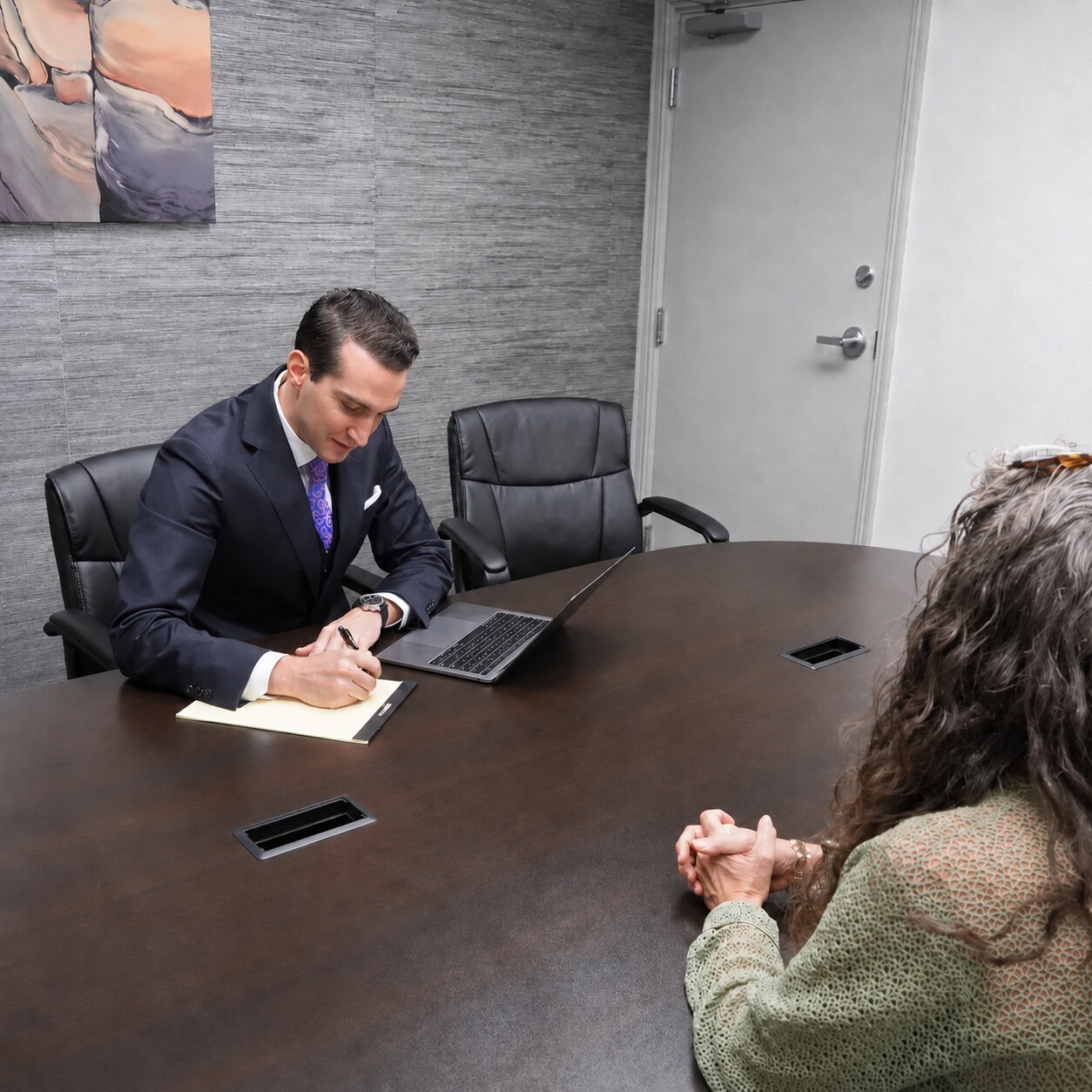
Our team investigates responsibility, organizes medical and financial evidence, and explains options as a claim develops. A useful case plan identifies records to preserve, questions about coverage, and the decisions that remain with you. We discuss the proposed scope, written terms, and how updates will be provided.
Strong Law’s firm background includes insurance-defense experience. That perspective informs preparation, but each case depends on its own law and evidence. Before representation, we explain the written terms for fees and case expenses.
Our Utah physical office is at 193 E Fort Union Boulevard, Midvale, UT 84047. Sandy is a service area. Contact our team at 385-746-1803 to discuss a case review and meeting arrangements.
Keep the report number, photographs, witness contacts, medical records, work restrictions, bills, and insurer messages. Preserve damaged items and identify potential camera locations. You do not need every record before asking for a review. Early contact can help protect evidence that may disappear.
Losses may include medical care, lost pay, and supported future needs. Pain and effects on daily life may also matter. The claim and evidence determine what applies. Workers’ compensation benefits and other special claims differ. The review should apply the law to the actual incident and supported losses.
The filing deadline depends on the legal claim and circumstances. Negligence, wrongful death, and medical liability can follow different rules. Government claims can require earlier notice, and other circumstances may change the analysis. Consult promptly.
The Utah Courts deadline guide explains why the correct claim and starting date matter.
The case review is free. Strong Law handles personal injury matters on a contingency fee basis under a written agreement. Ask how the attorney fee is calculated. Find out how expenses and liens affect a recovery. Also ask what costs you may owe if there is no recovery. Special benefit matters may require different terms.
Have the offer and release reviewed if injuries, future care, fault, or coverage remain uncertain. A release may end rights that still matter. A lawyer can explain what the payment covers and compare it with the evidence. No particular outcome is guaranteed.
Yes. Explain what happened and bring the information you have. Identifying the responsible people, businesses, or insurers may be part of the investigation. Uncertainty is a reason to review the evidence, not a promise that a viable claim will be found.
A family member can help organize records and explain practical concerns. The team needs to know who the client is and who may receive private information. We also need to check who has authority to act for the injured person. A serious injury does not automatically give a relative that authority.
Strong Law serves Sandy from our Utah office at 193 E Fort Union Boulevard, Midvale, UT 84047. Call 385-746-1803 or request a free case review. We can discuss the available records, important deadlines, and whether representation fits your matter.

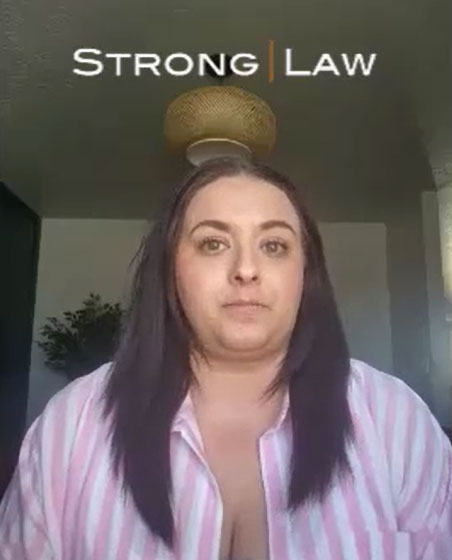


"Just wanted to say thank you to Jed and his team at Strong Law. Not only was I happy with the outcome, but the entire process as a whole. I would definitely recommend this firm to anyone. Thanks again."
"I had a claim involving my own insurance company. I tried to negotiate with them, and they completely denied my claim – two times. I then hired Strong Law, and the change was instant. The insurance company immediately began negotiating, and Jed was able to secure an unbelievably good settlement. I will never again attempt to take-on an insurance company without Strong Law in my corner. Thank you!"
"I hired Strong Law after my car accident. Jed and his team worked hard on my case. They were professional and compassionate through my surgery and as I recovered, and they were awesome on communication. I got justice and awesome compensation. I would recommend Strong Law to anyone in my situation."
Our team is standing by to help you.