image

Sandy Nursing Home Abuse Lawyer for Resident Injuries

A Sandy nursing home abuse lawyer can review injuries involving abuse, neglect, or unsafe care and explain possible civil claims. Strong Law Accident & Injury Attorneys serves residents and families in Sandy from Midvale. Our Sandy personal injury team offers a free case review of the concerns, care records, and legal requirements. Protecting the resident’s immediate safety and obtaining appropriate medical care come first.

A Sandy nursing home abuse attorney can help a family connect a specific concern with the records needed for a civil review. A bad outcome alone does not establish fault. The resident’s needs, the care provided, and the cause of the harm must be examined.

  • Address immediate danger and medical needs first.
  • Report suspected abuse through the appropriate channels.
  • Save a dated account, care records, and responses to concerns.

98%
win rate
Google rating: 4.9 stars from more than 550 reviews

Contents

Clinician speaking with an older man seated with a cane

What Should You Do if a Resident May Be in Danger?

Clinician speaking with an older man seated with a cane

Call 911 for an emergency. Utah’s Adult Protective Services guidance states that suspected abuse, neglect, or exploitation of a vulnerable adult must be reported to APS or the nearest law-enforcement office. APS lists telephone reporting at 1-800-371-7897 during its stated business hours and an online reporting option available at any time.

Document the concern, seek appropriate medical assessment, and preserve records of contacts with the facility and authorities. A civil claim is separate from an emergency response or protective investigation. Do not wait for a compensation consultation before addressing immediate risk.

Which Signs and Care Failures Need Investigation?

Unexplained injuries, repeated falls, pressure injuries, dehydration, medication problems, or fear of particular caregivers can warrant attention. Those concerns do not all prove the same legal claim. The investigation should establish the resident’s condition, the care that was needed, what staff knew, and whether a failure caused additional harm.

A resident may have complex health needs, so the records should distinguish an underlying condition from injury associated with inadequate care. Changes in mobility, nutrition, skin condition, behavior, or medication need professional assessment. Family observations can help identify the timeline and questions to ask.

What Facility Records and Other Evidence Matter?

Preserve dated photographs, visit notes, messages, names of witnesses, and responses to complaints. Keep the admission agreement, assessments, care plans, incident reports, medication information, transfer records, and relevant hospital records. Record the date and circumstances of each concern rather than rely only on a general impression.

A legal review may seek staffing and assignment records, supervision policies, treatment documentation, call-response information, or video when available. Records require appropriate consent or legal authority. Early preservation matters because the resident’s condition and the available documentation can change.

Is Nursing Home Neglect Always a Medical Malpractice Case?

No. Clinical treatment, unsafe-property conditions, intentional abuse, and other conduct can require different analysis. A claim involving a health care provider’s treatment may come within Utah’s medical-liability process, including prelitigation requirements. A premises or intentional-injury claim may follow another path.

We review the alleged conduct and each defendant’s role before describing the process or deadline. Our medical malpractice services and premises liability services explain those distinctions. A label such as neglect does not decide which legal requirements apply.

Which Losses and Decision-Making Issues Need Review?

A supported civil claim may address additional medical treatment, rehabilitation, pain, or other legally recoverable harm. Future assistance needs evidence. The amount paid for past facility care is not automatically refundable in an injury case, and moving to another facility does not itself establish damages or liability.

The resident’s capacity, consent, any power of attorney, and estate authority can affect who may act. A death may also raise wrongful death questions. We can review those roles, the care evidence, possible defendants, and available insurance before evaluating a proposed settlement.

How Are Safety Reports, Resident Advocacy, and Civil Claims Different?

An emergency needs an emergency response. Call 911 when a resident is in immediate danger or needs emergency medical help. A website form or an appointment with a lawyer is not a substitute for urgent care.

Protective reporting addresses suspected abuse, neglect, or exploitation. Resident advocacy can help with concerns about rights and the quality of care. Utah’s Long-Term Care Ombudsman program advocates for residents of long-term care facilities. Families can use the program’s current guidance to find the appropriate regional contact.

A concern about a licensed nursing care facility can also be submitted through the Utah DHHS health-facility complaint process. Use the option that matches the facility type and keep a copy or reference number. This process is separate from a lawsuit seeking compensation.

A civil claim examines legal responsibility and injury losses. A report to a facility, advocate, or agency does not necessarily provide the legal notice or filing required for that claim. Ask which process applies rather than assuming one complaint starts every available remedy.

Organized vehicle and medical claim records on a desk

How Can You Make a Useful Record of a Concern?

Write down the facility’s name and Sandy address, the date of the visit or call, and the specific concern. Include the resident’s location within the facility if relevant. Describe what you observed before recording what you believe caused it.

For example, a note that a call for help went unanswered should identify the approximate time, who was present, and what happened next. If the time is uncertain, say so. A general statement that staff never help is harder to evaluate than a dated, specific account.

  • Observation: What did you see or hear, and when?
  • Source: Did you observe it yourself, or did someone tell you?
  • Response: Who was notified and what did they say or do?
  • Medical care: Was the resident assessed or sent elsewhere for treatment?
  • Follow-up: What changed, and which questions remained unanswered?

Keep original messages and photographs with their dates. Respect the resident’s privacy and dignity. Do not photograph other residents or share private care records publicly to support a complaint. A legal review can identify the appropriate records and lawful way to request them.

What Questions Can Help Review a Fall or Pressure Injury?

The review starts with the resident’s condition and care needs before the event. An injury does not by itself show whether a preventable failure occurred. Risk assessments, care plans, staff notes, and medical findings need to be considered together.

For a fall, identify where the resident was, what they were doing, and whether assistance had been requested or planned. Save the incident report, available witness information, and later treatment records. A transfer or mobility issue may require different evidence from a hazard on the floor.

For a pressure injury, keep records showing when the concern was first identified and what assessment, prevention, monitoring, and treatment were documented. Ask the treating provider to explain the condition and care needs. Family photographs may help establish a timeline but do not replace clinical assessment.

Tell the lawyer about earlier falls, wounds, mobility limits, or other health conditions. These facts can help distinguish the resident’s starting condition from additional harm. Do not omit relevant history because you worry it may complicate the claim.

Which Documents Should a Family Bring to the First Review?

Bring records already available and a list of missing items. Do not delay the conversation while trying to collect the full facility file. Important preservation and deadline questions can be discussed before every document arrives.

  • The admission agreement and any later agreements or releases.
  • Available care plans, assessments, medication lists, and incident records.
  • Dated photographs, visit notes, emails, and complaint responses.
  • Hospital, transfer, discharge, and follow-up treatment information.
  • Documents showing consent or authority to obtain records or act for the resident.

Keep a list of the facility and outside providers involved. A resident may receive hospital care outside Sandy or treatment from a separate provider. Identifying each source helps avoid treating the facility chart as the only relevant record.

If you have been asked to sign a new agreement, bring the entire document and any stated deadline. Ask what it changes and which rights it affects. Do not assume an admission agreement, discharge form, and settlement release serve the same purpose.

How Can Families Keep the Resident Involved?

Start with the resident’s wishes and ability to participate. A relative who organizes records is not automatically authorized to make every legal decision. Consent, capacity, and any existing legal documents need review for the action being considered.

Choose a practical point of contact with the appropriate consent. Keep updates factual and share sensitive information only with the people who need it. If family members disagree, explain the disagreement during the review rather than signing on behalf of someone without authority.

Ask the legal team to explain the proposed scope of representation, the evidence that needs protection, and how decisions will be made. Review fees and case expenses in writing. A clear communication plan can reduce confusion while the resident’s care and safety remain the priority.

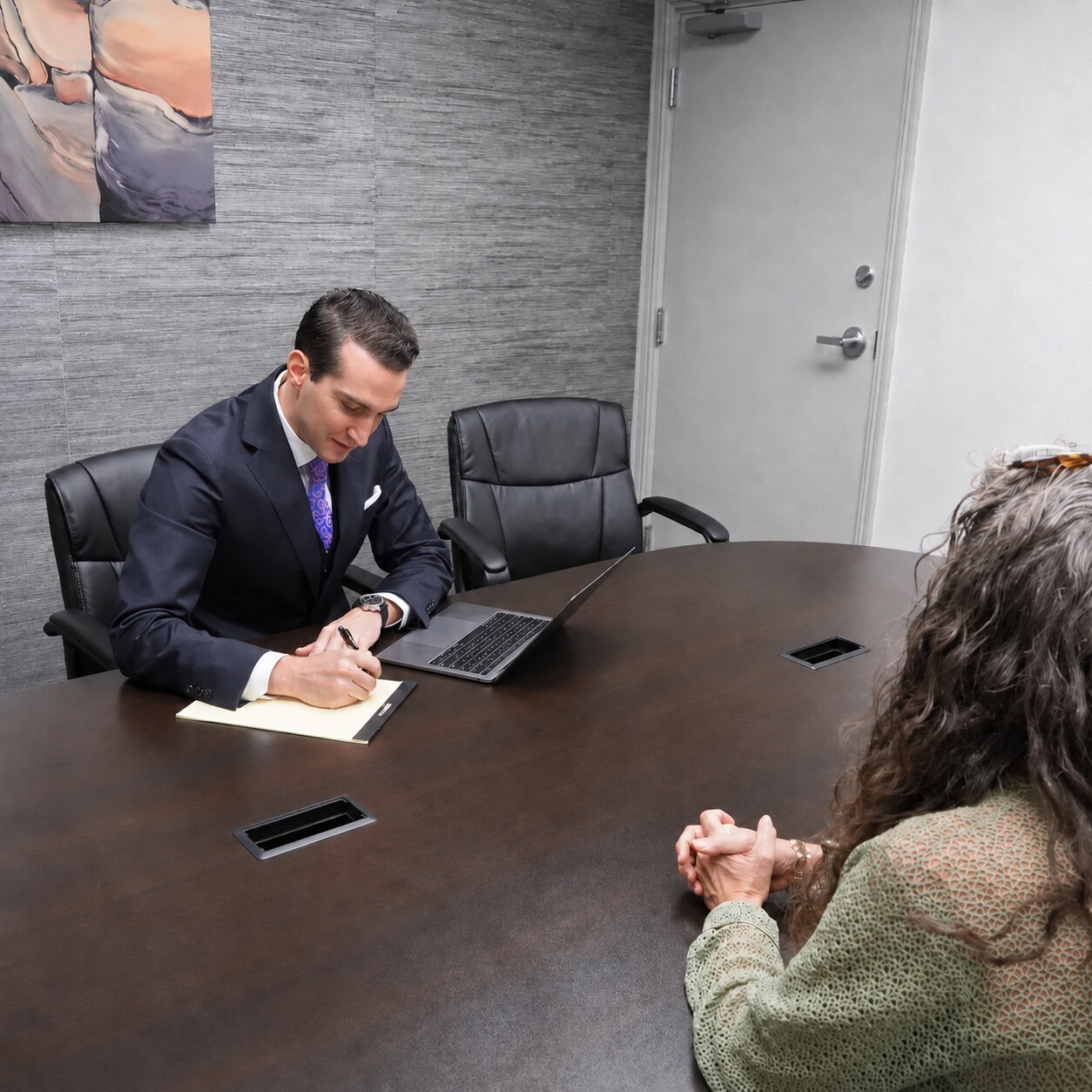
Jed Strong taking notes during a client meeting

How Strong Law Prepares Your Claim

A resident-injury review should connect specific concerns with the care records, staff responsibilities, and resulting harm. Our team can identify preservation priorities, explain which legal process may apply, and review who has authority to act. We discuss a practical case plan and how the family will receive updates.

Strong Law’s firm background includes insurance-defense experience. That perspective informs preparation, but each case depends on its own law and evidence. Before representation, we explain the written terms for fees and case expenses.

What Questions Do Sandy Families Ask About Nursing Home Abuse?

Is a Facility Complaint Enough to Preserve a Legal Claim?

No. A complaint can document the concern and trigger a response, but it is not necessarily the notice or filing needed for a civil claim. Keep a copy and review the applicable legal requirements promptly. Protective reporting and a compensation claim serve different purposes.

Do Pressure Injuries Always Mean the Facility Was Negligent?

No. The care plan, risk assessment, prevention measures, monitoring, treatment, and the resident’s medical condition need review. A professional assessment can help explain whether a preventable failure occurred and whether it caused additional injury.

Can We Pursue a Claim After Moving the Resident?

Moving the resident does not by itself end a potential claim. Preserve the former facility’s records, transfer documents, photographs, and later treatment information. The legal review still needs proof of responsibility and harm, as well as timely compliance with the applicable process.

Can I Act for My Parent or Another Relative?

You can report concerns and request an initial discussion. Authority to obtain records, sign an agreement, or pursue a claim depends on consent, capacity, and legal authority. A family relationship alone may not establish all of those rights.

How Long Do We Have to File?

The deadline depends on the conduct, defendant, and type of claim. Medical liability, intentional injury, and wrongful death can have different limits and filing requirements. Review the facts promptly. The Utah Courts deadline guide explains why a general injury deadline should not be applied to every situation.

Should We Wait for an Investigation Before Calling a Lawyer?

No. A civil review can identify evidence and deadlines while a protective or facility investigation is underway. An investigation does not necessarily preserve every record or satisfy a claim-filing requirement. Keep its reference number and updates, but address legal deadlines separately.

What if the Resident Cannot Describe What Happened?

Seek appropriate medical assessment and preserve observations from people who know the resident. Record what was actually seen, when it changed, and who was present. Do not guess what the resident would say. The care records and other evidence may help clarify the event.

How Can You Contact a Sandy Nursing Home Abuse Attorney?

Strong Law serves Sandy from our Utah office at 193 E Fort Union Boulevard, Midvale, UT 84047. Call 385-746-1803 or request a free case review. We can discuss the available records, important deadlines, and whether representation fits your matter.

Why Experience Matters In Nursing Home Abuse Cases

We’ve helped thousands of accident victims like you

we win
98%

win rate in court

4.9
stars

on Google reviews

over
2,000

successful cases
Strong Law client sharing her experience in a video testimonial
play button
"I would definitely recommend them."
Lindsey - Washington
Wistia video thumbnail
stars

“Very professional, and treated me as an equal.”

"Just wanted to say thank you to Jed and his team at Strong Law. Not only was I happy with the outcome, but the entire process as a whole. I would definitely recommend this firm to anyone. Thanks again."

Nick S.
Utah
stars

“Unbelievable work!”

"I had a claim involving my own insurance company. I tried to negotiate with them, and they completely denied my claim – two times. I then hired Strong Law, and the change was instant. The insurance company immediately began negotiating, and Jed was able to secure an unbelievably good settlement. I will never again attempt to take-on an insurance company without Strong Law in my corner. Thank you!"

Jonathon
Washington
Strong Law attorney speaking by phone at an office desk
play button
A welcome from Jed Strong
Wistia video thumbnail
Strong Law client discussing her experience in a video testimonial
play button
"They've always been there for me."
Marsha - Washington
Wistia video thumbnail
stars

“I got justice and awesome compensation.”

"I hired Strong Law after my car accident. Jed and his team worked hard on my case. They were professional and compassionate through my surgery and as I recovered, and they were awesome on communication. I got justice and awesome compensation. I would recommend Strong Law to anyone in my situation."

Rick R.
Colorado
Empty courtroom used for civil legal proceedings

Get Your Free
Case Review

Contact us

Our team is standing by to help you.

How did you hear about us?
Privacy & Terms Agreement
I agree to Strong Law Accident & Injury Attorneys’
Privacy Policy and Terms & Conditions
SMS/Text Message Consent
By checking this box, I consent to receive SMS/text messages from Strong Law Accident & Injury Attorneys about my inquiry, consultations, appointment reminders, intake follow-up, case-related communications, and legal services. Message frequency varies. Message and data rates may apply. Reply STOP to opt out or HELP for help. Consent is not a condition of hiring our firm or receiving legal services. View our Terms & Conditions and Privacy Policy.
Strong Law attorney speaking with a prospective client by phone