image

Sandy Medical Malpractice Lawyer for Injured Patients

A Sandy medical malpractice lawyer reviews whether a healthcare provider’s mistake caused avoidable harm. A poor result alone does not prove malpractice. Strong Law Accident & Injury Attorneys offers a free case review of your treatment timeline, records, and Utah filing requirements.

Our Sandy injury team serves clients from Midvale. Preserve your records and ask for a prompt deadline review. You do not need to know whether every part of a claim can be proved before contacting us.

Three questions guide the review:

  • Was the care below the required standard?
  • Did that failure cause added harm?
  • Can the evidence support a claim within Utah’s legal process?

98%
win rate
Google rating: 4.9 stars from more than 550 reviews

Contents

Judge’s gavel beside a stethoscope on teal fabric

What Separates Medical Malpractice From a Bad Outcome?

Judge’s gavel beside a stethoscope on teal fabric

The standard of care is the level of care a qualified provider should use in the circumstances. A malpractice review asks whether the provider fell below that standard and whether the failure caused injury.

A complication or later change in diagnosis does not answer those questions by itself.

A review should address:

  • The provider’s duty: What care did the provider owe the patient?
  • The standard of care: What should a qualified provider have done with the information available then?
  • The departure: What specific action or missed step fell below that standard?
  • The cause of harm: How did the failure cause an additional injury or make the condition worse?

Qualified medical review is often needed to explain those issues. The analysis should use the facts reasonably available at the time of care. A later outcome should not be used as the only reason to assume an earlier decision was negligent.

Different concerns need different records. For example:

  • A delayed diagnosis may require a timeline of symptoms, tests, results, and follow-up.
  • A medication concern may require orders, dose records, and notes about the patient’s response.
  • A surgical injury may require consent documents, operative reports, and later treatment records.
  • A missed change in condition may require nursing notes, monitoring records, and communications between providers.

These are issues to investigate. They do not establish malpractice on their own. The review must separate harm from the underlying illness from harm caused by the disputed care.

Which Treatment Records Should You Preserve?

Start with a dated timeline. List symptoms, appointments, tests, procedures, discharge dates, and follow-up care. Note the providers and facilities involved, including any treatment in Sandy or elsewhere in Salt Lake County.

Keep the records you already have:

  • Medical visit notes, discharge instructions, and referral information.
  • Patient portal messages and communications about your concern.
  • Medication lists, prescriptions, and instructions.
  • Test results, imaging reports, and the underlying images when available.
  • Bills, receipts, missed-work dates, and written restrictions.
  • Letters or notices from a provider, insurer, or legal representative.

A visit summary may not be the full medical file. The review may also need nursing notes, medication-administration records, operative reports, consultation notes, or laboratory records.

We can discuss which records are missing and how to request them with the proper consent or authority.

Keep originals unchanged. If you make notes, date them and distinguish what you remember from what a record states.

For a missed test result, for example, record when the test occurred, when you learned the result, and what follow-up you received. Save the messages that support those dates.

If a loved one has died or cannot act, authority to request records and pursue the claim needs separate review. Being a relative does not always authorize a records request or lawsuit.

Organized vehicle and medical claim records on a desk

How Can You Build a Clear Treatment Timeline?

List each important event in date order and identify the record that supports it. A timeline helps organize the review of what the provider knew, what happened next, and when you learned about the concern.

  • Before the disputed care: Note earlier symptoms, diagnoses, and treatment.
  • During the care: List visits, tests, results, medications, procedures, and discharge instructions.
  • After the care: Note changed symptoms, new findings, added treatment, and work restrictions.
  • Communications: Save messages about results, follow-up, referrals, and the concern you raised.

Use exact dates when a record provides them. If you only remember an approximate date, label it that way. Keep your personal account separate from the medical chart so a reviewer can tell which source supports each detail.

Do not delay contacting a lawyer to make the timeline perfect. Bring what you have, including gaps or unanswered questions. Records can be requested and the timeline refined as the review proceeds.

What Are Utah’s Notice and Prelitigation Requirements?

Utah’s medical-liability process includes steps before an ordinary court filing. The Utah prelitigation program explains the review-panel process under the Health Care Malpractice Act. The review is informal, confidential, and nonbinding. Required procedures still matter.

A lawyer should review the steps separately:

  1. Review the medical concern and possible defendants. Identify the treatment at issue, the alleged failure, and the added harm.
  2. Check the notice of intent. Review who must receive it, what it must contain, how it is served, and the timing.
  3. Handle the panel-review request. Check the filing requirements, supporting materials, and applicable deadlines.
  4. Confirm the requirements before suit. Review completion of the process and any other steps the law requires.

Panel review does not award compensation or guarantee success in court. A hospital complaint, licensing complaint, or discussion with an insurer does not necessarily satisfy the notice and prelitigation requirements. Those routes can have different purposes.

Bring any notices you have sent or received to the case review. A lawyer should check the actual documents and dates before deciding what remains to be done. Do not assume an ongoing discussion keeps every deadline open.

How Long Do I Have to Bring a Medical Malpractice Claim?

Utah Code section 78B-3-404 generally sets two timing rules:

  • Discovery limit: Two years after the injury was discovered or reasonably should have been discovered, whichever comes first.
  • Outside limit: Generally no more than four years after the alleged act or omission.

Specific exceptions and other applicable rules can change the analysis. The statute has separate provisions for a foreign object left in the body and fraudulent concealment. Notice and panel-review steps can also affect timing.

Ask a Sandy medical malpractice attorney to review the treatment, discovery, notice, and filing dates promptly. Do not simply count two years from your latest appointment. Continuing treatment does not automatically keep a claim open.

How Is Care Across Several Providers Reviewed?

Identify each provider and facility involved in the treatment at issue. The review should connect the records to the person or organization responsible for a specific decision or step. Care across several facilities does not automatically make every provider liable.

Save referral notes, transfer records, discharge instructions, and messages about who would handle follow-up. Tell us if you received care in Sandy and then continued treatment elsewhere. A record list should reflect all relevant care, rather than only the facility where you first noticed a problem.

We can discuss which records and professional review may help explain each provider’s role. The legal analysis still needs a supported link between a specific failure and the harm claimed.

How Are the Resulting Losses Evaluated?

The claim should identify harm caused by the negligent treatment. The medical evidence must help explain that connection. Depending on the case, records may support:

  • Added medical treatment and related expenses.
  • Lost income and supported limits on future work.
  • Disability or a need for assistance.
  • Supported future care and other effects the law allows you to claim.

A future-care request needs medical support and cost evidence. Some damages can be affected by legal limits. No fixed settlement follows from a diagnosis, complication, or alleged error.

When an illness already required treatment, the review must distinguish those existing needs from added care caused by negligence. Keep the treatment history from before and after the disputed care. That comparison may help the medical review explain what changed and why.

Lasting cognitive impairment may require the brain injury evidence discussed on our related page. If the alleged negligence contributed to a death, wrongful death eligibility and estate issues need attention too.

We review the records, causation, filing requirements, and available coverage before assessing whether representation is appropriate. Before accepting an offer, consider what losses it covers and which claims a release would close.

Which Related Injury Services Does Strong Law Offer?

Our Sandy injury pages address specific types of harm, and our Midvale medical malpractice page explains related services near our Utah office. Use the links that fit your concern and location.

Midvale medical malpractice services · Strong Law Accident & Injury Attorneys

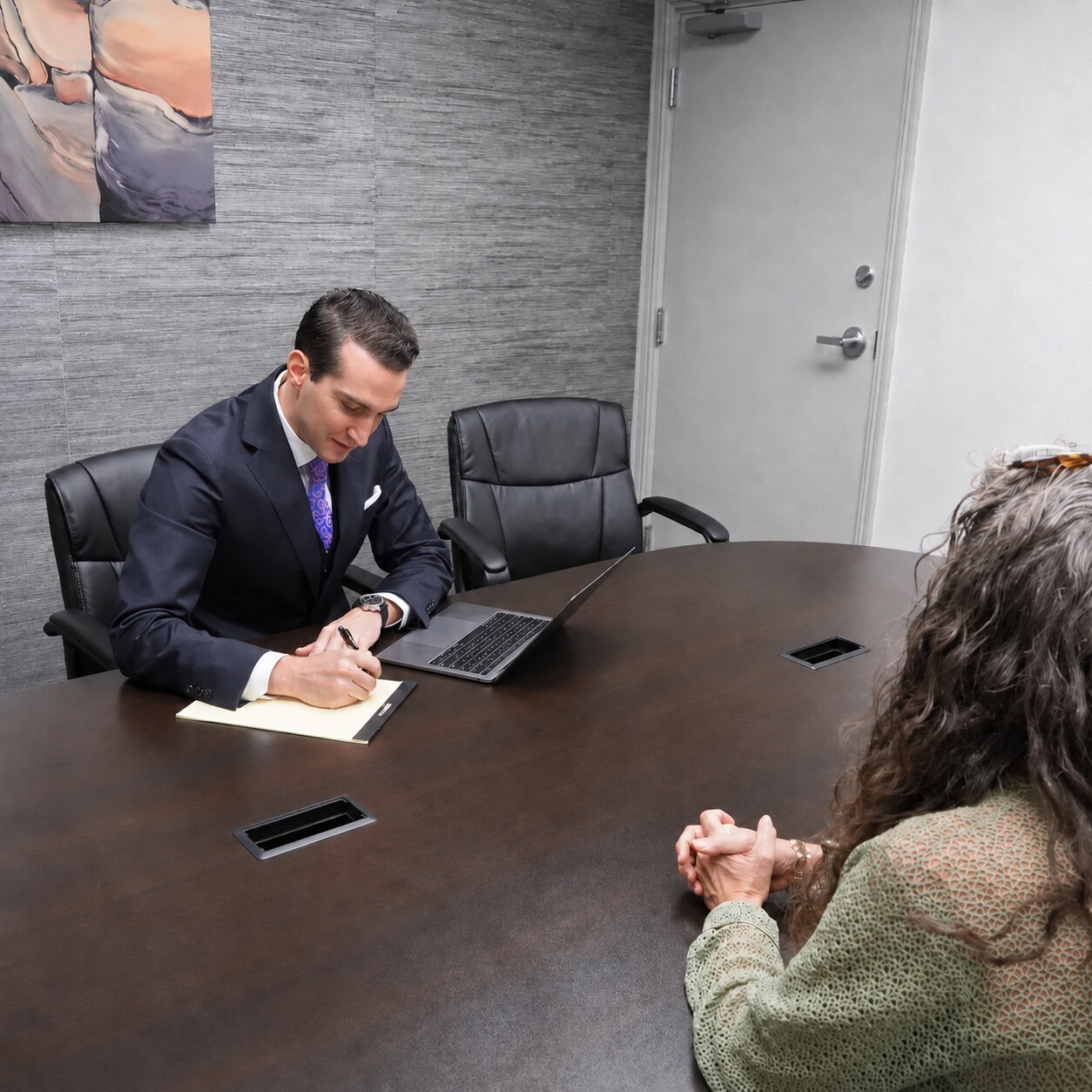
Jed Strong taking notes during a client meeting

How Does Strong Law Review a Medical Malpractice Concern?

The review starts with the treatment timeline and a specific concern about the care. We discuss the records you have, what may be missing, and the professional review that may be needed. We also address Utah’s legal process and important dates.

You can ask how the proposed review will examine the standard of care and causation. You can also ask who will update you and what happens if further review does not support a claim.

A clear case plan should explain those questions before you agree to representation.

Strong Law’s firm background includes insurance-defense experience. That experience informs preparation. Each matter still depends on its own law and evidence. We explain the proposed scope, fees, and case expenses in writing before an engagement.

What Questions Do Sandy Patients Ask About Malpractice Claims?

Patients often ask about incomplete records, changing diagnoses, family authority, and review costs. These answers explain the issues to raise during a case review.

Does a Misdiagnosis Automatically Prove Malpractice?

No. The review asks what information was available, what care was required, and whether the missed or delayed diagnosis caused added harm. A diagnosis changing later does not by itself prove that the earlier provider was negligent.

Do I Need All My Medical Records Before Calling?

No. Start with treatment dates, provider names, your concern, and the records you have. We can identify missing records and discuss how to request them. Preserve messages, discharge instructions, and any notices with deadlines.

Does the Prelitigation Panel Decide My Compensation?

No. Utah’s panel process evaluates the alleged medical-liability matter. It is informal and nonbinding. It does not award damages or guarantee a successful lawsuit. The required legal steps still need to be completed correctly.

Can I Bring a Claim for a Family Member?

It depends on the person’s consent, capacity, and legal authority. The claim may belong to the patient, an estate, or qualifying heirs. Family involvement alone does not always authorize signing requests or filing suit. We can review the appropriate role.

What Should I Ask About Fees and Expert Costs?

The initial review is free. Before hiring, ask about attorney fees, medical expert work, record expenses, and the scope of the review. Ask how costs are handled if the claim does not proceed or recover money. The written agreement should explain those terms.

Can I Keep Getting Care While the Claim Is Reviewed?

Your treating professionals direct your medical care. Keep new visit notes, recommendations, bills, and messages as treatment continues. Share changes relevant to the claim with your legal team. A legal review does not replace medical advice or suspend filing deadlines.

What if My Records Look Incomplete or Inconsistent?

Keep the copies you received and identify the specific entry or missing document that concerns you. Save portal messages and other records that may help explain the date or event. Do not edit the original files.

A difference between a visit summary and another record does not by itself prove wrongdoing. We can discuss whether more records or clarification are needed. If you prepare notes, distinguish what you personally observed from what the chart says and what you do not yet know.

Which Dates Should I Bring to the First Review?

Bring the dates of the disputed care, when you first noticed the harm, and when you learned information connecting it to the treatment. Include any notice, panel-review, or court documents, plus letters with deadlines. Exact dates are useful, but say when a date is uncertain.

A lawyer should review how those events affect the filing rules. Your latest appointment or an ongoing complaint is not enough to determine the deadline.

How Can You Contact a Sandy Medical Malpractice Attorney?

Strong Law serves Sandy from our Utah office in Midvale. The address is 193 E Fort Union Boulevard, Midvale, UT 84047.

Call 385-746-1803 or request a free case review. We can discuss your treatment concern, available records, important dates, and whether representation fits the matter.

Why Experience Matters In Medical Malpractice Cases

We’ve helped thousands of accident victims like you

we win
98%

win rate in court

4.9
stars

on Google reviews

over
2,000

successful cases
Strong Law client sharing her experience in a video testimonial
play button
"I would definitely recommend them."
Lindsey - Washington
Wistia video thumbnail
stars

“Very professional, and treated me as an equal.”

"Just wanted to say thank you to Jed and his team at Strong Law. Not only was I happy with the outcome, but the entire process as a whole. I would definitely recommend this firm to anyone. Thanks again."

Nick S.
Utah
stars

“Unbelievable work!”

"I had a claim involving my own insurance company. I tried to negotiate with them, and they completely denied my claim – two times. I then hired Strong Law, and the change was instant. The insurance company immediately began negotiating, and Jed was able to secure an unbelievably good settlement. I will never again attempt to take-on an insurance company without Strong Law in my corner. Thank you!"

Jonathon
Washington
Strong Law attorney speaking by phone at an office desk
play button
A welcome from Jed Strong
Wistia video thumbnail
Strong Law client discussing her experience in a video testimonial
play button
"They've always been there for me."
Marsha - Washington
Wistia video thumbnail
stars

“I got justice and awesome compensation.”

"I hired Strong Law after my car accident. Jed and his team worked hard on my case. They were professional and compassionate through my surgery and as I recovered, and they were awesome on communication. I got justice and awesome compensation. I would recommend Strong Law to anyone in my situation."

Rick R.
Colorado
Empty courtroom used for civil legal proceedings

Get Your Free
Case Review

Contact us

Our team is standing by to help you.

How did you hear about us?
Privacy & Terms Agreement
I agree to Strong Law Accident & Injury Attorneys’
Privacy Policy and Terms & Conditions
SMS/Text Message Consent
By checking this box, I consent to receive SMS/text messages from Strong Law Accident & Injury Attorneys about my inquiry, consultations, appointment reminders, intake follow-up, case-related communications, and legal services. Message frequency varies. Message and data rates may apply. Reply STOP to opt out or HELP for help. Consent is not a condition of hiring our firm or receiving legal services. View our Terms & Conditions and Privacy Policy.
Strong Law attorney speaking with a prospective client by phone