image

Sandy Dog Bite Lawyer for Adults and Children

A Sandy dog bite lawyer can help identify the dog’s owner or keeper, preserve evidence, and pursue an injury claim. Strong Law Accident & Injury Attorneys reviews bites and other dog attacks affecting adults and children. Our Sandy personal injury team serves the community from our Midvale office. A free case review can address liability, insurance, medical costs, and the steps needed to protect your claim.

A Sandy dog bite attorney can review the legal questions while you focus on care. The first priorities are straightforward:

  • Get medical help and report the attack.
  • Save the owner’s details, witness contacts, photographs, and treatment records.
  • Review deadlines and insurance before signing a release or accepting a final payment.

98%
win rate
Google rating: 4.9 stars from more than 550 reviews

Contents

Dog behind a chain-link fence with a Beware of Dog sign

Who Is Responsible for a Dog Injury in Utah?

Dog behind a chain-link fence with a Beware of Dog sign

Utah generally holds a dog’s owner or keeper responsible for an injury caused by the dog without requiring proof of earlier vicious behavior. The rule can apply beyond a bite, including an injury caused by a dog knocking someone down. Utah Code section 18-1-1 also contains exceptions. These include certain law-enforcement uses and specified trespassing incidents involving a dog secured on private property.

The circumstances still matter. We examine where you were, how the animal was controlled, who owned or kept it, and whether fault is disputed. A landlord or property manager is not automatically liable simply because the incident happened at an apartment. A separate legal basis must support a claim against a party other than the owner or keeper.

What Should You Preserve After a Sandy Dog Attack?

Get appropriate medical care and report the incident to the responsible animal-control or law-enforcement agency. Save the report number. If safe, record the owner’s contact information, the location, and the names of witnesses. Do not approach the dog again to collect evidence.

Photographs can show the original wounds, torn clothing, the scene, a fence or gate, and later healing. Keep original files and date each later photograph. Preserve messages with the owner and any information about earlier complaints. Prior incidents can be useful evidence even though earlier aggression is not required for the basic statutory claim.

How Do Scarring and Other Injuries Affect the Claim?

A dog attack may leave more than an initial emergency-room bill. Medical records can document nerve injury, infection, lost movement, or a recommendation for scar treatment. A treating professional should explain whether additional care is needed, its likely timing, and the expected effect. We use that evidence rather than assume every scar requires surgery.

Keep records of missed work, reduced duties, transportation expenses, and help with everyday tasks. Document anxiety or fear of dogs if it affects daily life, and discuss symptoms with an appropriate provider. A claim involving a child needs attention to future treatment and the legal process for resolving the child’s claim.

Does Homeowners or Renters Insurance Cover a Dog Bite?

A homeowners or renters policy may provide liability coverage, but exclusions, policy limits, ownership, and the location of the attack need review. A policy’s existence does not establish that a particular claim is covered. We can identify potential insurers and evaluate their responses alongside the evidence of injury.

The amount available depends on proven losses, responsibility, coverage, and other facts. Medical expenses, supported future care, lost earnings, and pain or disfigurement may be relevant. Keep health-insurance payment records as well, because reimbursement claims or liens can affect the amount you receive from a recovery.

How Can Strong Law Help With a Dog Bite Claim?

We begin with the incident account, treatment records, and available insurance information. The case plan may include obtaining the animal-control file, contacting witnesses, requesting records, and documenting the course of healing. If a settlement offer arrives, we explain the proposed release and which losses it addresses before you decide.

A delivery worker bitten on the job may also need a workers’ compensation review. If an attack causes a fall or head trauma, our Sandy brain injury page explains the evidence for those injuries. Different claims can overlap, so benefits and any reimbursement rights need coordination.

What Should You Do About a Bite That Looks Minor?

A small wound can still need attention. The CDC’s dog-bite guidance recommends washing minor wounds with soap and water. Seek medical care for serious wounds, signs of infection, or uncertainty about the dog’s rabies vaccination. Call 911 for uncontrolled bleeding or if you feel faint or weak. Tell the provider that a dog caused the injury and follow the care instructions you receive.

The owner’s assurance that the dog is healthy is not a medical assessment. Let healthcare and public-health professionals address vaccination and treatment questions. Keep discharge papers, follow-up instructions, prescriptions, and bills in one place. These records help explain both the care you needed and how the injury developed.

How Can You Record What Happened Without Guessing?

Write a short account while the details are clear. Include where you were, why you were there, who was present, and what the dog did. Describe whether a leash, fence, gate, or door was involved. If you were making a delivery or visiting someone, preserve the message or other record explaining the visit.

Separate what you saw from what someone told you. For example, note that a person said they were watching the dog instead of assuming they owned it. Record the person’s name and exact role if known. If you cannot recall a detail, say so. A careful account is more useful than filling gaps with a guess.

What if There May Be Camera Footage?

Identify nearby doorbell cameras, business cameras, or witnesses who recorded the incident. Save the location and approximate time. Tell your attorney promptly so a preservation request can be considered. A request does not guarantee that footage exists or will be released. Do not enter private property or access another person’s account to look for it.

What if the Owner Disputes the Account?

Keep messages in their original form, including dates and the surrounding conversation. Avoid arguing about legal fault by text. An animal-control report, witness account, photograph, or medical note may help resolve a disputed detail. We compare those records rather than treat either party’s first statement as the complete story.

Organized vehicle and medical claim records on a desk

How Should You Document Healing and Daily Limitations?

Use dated photographs to show changes over time. Keep the original files and avoid filters or edits that change the appearance of the injury. Take photos in consistent lighting when practical. Share sensitive images through an appropriate private channel, especially when the injured person is a child. Public social-media posts are not needed to establish a claim.

A brief recovery log can add context to medical records. Note appointments, sleep problems, difficulty using a hand, or activities you cannot manage as before. Record practical examples instead of assigning a dollar value to each symptom. Be accurate about improvement as well as setbacks, and tell your provider about new or worsening concerns.

For lost income, save pay records and the dates of missed shifts. If you are self-employed, keep invoices, work schedules, and records of jobs you could not complete. A family member’s help with meals or transportation may also be relevant. Record the task, date, and time without assuming every item will be reimbursed.

What Should Parents Keep for a Child’s Claim?

Keep the child’s treatment records, school absence notes, and recommended follow-up appointments together. If the child avoids outdoor play or has sleep difficulties after the attack, describe those changes to an appropriate provider. Parents can record what they observe, but a diagnosis or long-term outlook should come from a qualified professional.

Do not pressure a child to repeat the event for multiple people or rehearse an account. Write down spontaneous statements accurately and let the legal and medical teams explain what further information is needed. Ask how the child’s interests will be represented and what review is required before a settlement can become final.

What if the Dog Belongs to a Friend or Neighbor?

It is common to worry about a personal relationship after an attack. A case review can explain potential insurance and legal options without requiring you to settle those questions in the first conversation. We can discuss who may be contacted and what information is needed. Insurance coverage, cooperation, and a settlement are never automatic.

Save any offer to pay medical bills and ask what the payment is intended to cover. Do not assume that an informal promise addresses later treatment or other losses. Before signing a release, understand whose liability it releases and whether it closes future claims from the incident.

What Should Be Clear Before You Accept a Settlement?

  • Medical outlook: What treatment is complete, and what future care is supported by your providers?
  • Documented losses: Have medical bills, income records, and the injury’s daily effects been reviewed?
  • Payment terms: What attorney fees, case expenses, and repayment claims may reduce the amount received?
  • Release terms: Which people or insurers are released, and what claims are being resolved?

These questions help you evaluate an offer with a realistic picture of the case. They do not produce a fixed settlement formula. A Sandy dog bite lawyer can explain unresolved evidence, insurance limits, and the practical choices before you make a decision.

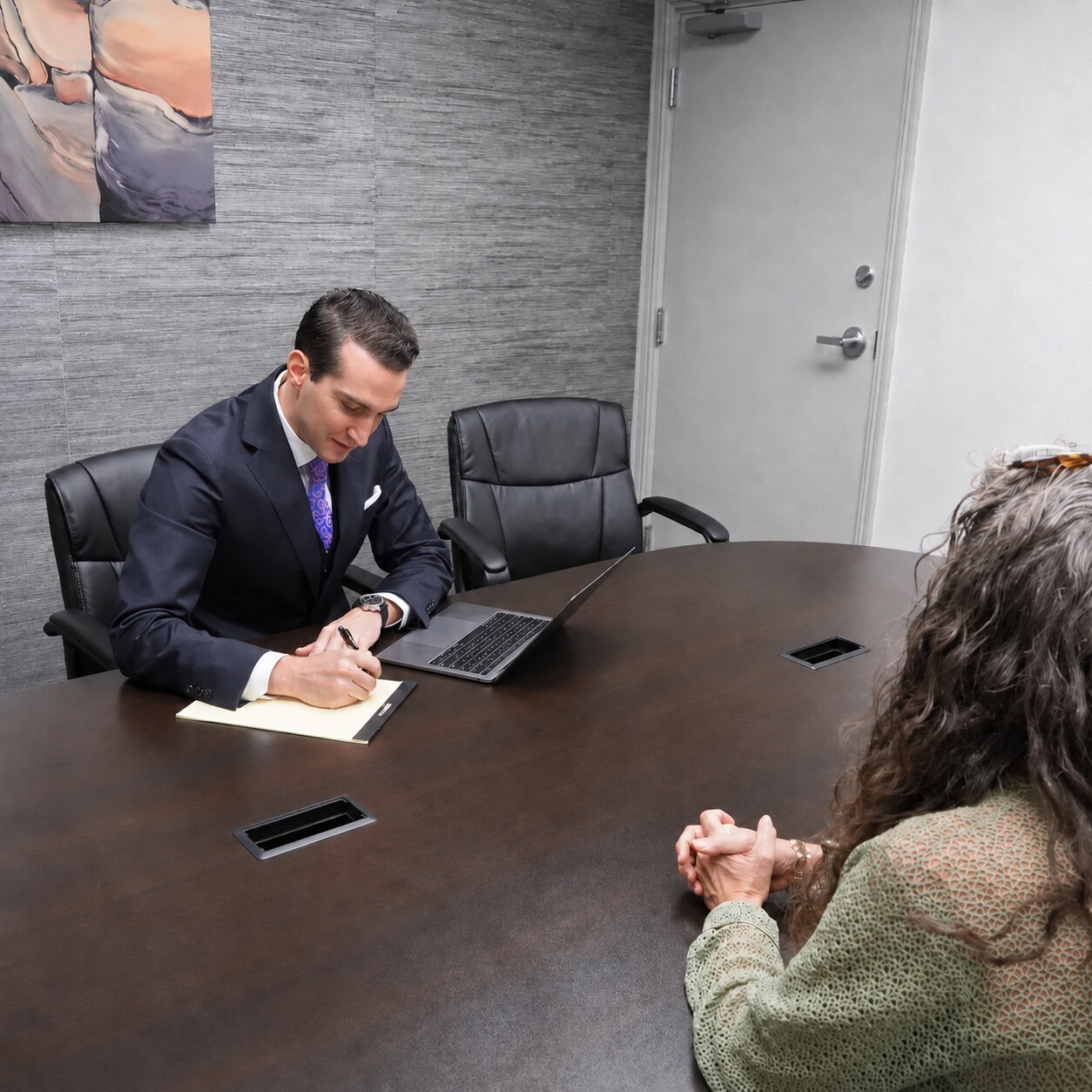
Jed Strong taking notes during a client meeting

How Strong Law Prepares Your Claim

A useful dog-injury case plan connects the report, ownership evidence, and medical history. Our team can explain what records are missing, how the insurer is responding, and what needs to happen before a settlement can be evaluated. You should also know who will handle the matter and how to reach the team with questions.

Strong Law’s firm background includes insurance-defense experience. That perspective informs preparation, but each case depends on its own law and evidence. Before representation, we explain the written terms for fees and case expenses.

“Just wanted to say thank you to Jed and his team at Strong Law. Very professional, and treated me as an equal. Not only was I happy with the outcome, but the entire process as a whole. I would definitely recommend this firm to anyone. Thanks again.” – Nick S.

Past results do not guarantee the outcome of another case.

What Questions Do Sandy Dog Bite Clients Ask?

Can I Bring a Claim if the Dog Has Never Bitten Anyone?

Often, yes. Utah’s dog-injury statute does not require an earlier bite or proof that the owner knew the dog was dangerous. You still need evidence that the dog caused the injury and that the defendant owned or kept it. Statutory exceptions and disputed fault must be evaluated.

What if the Owner Says I Provoked the Dog?

An accusation does not decide the case. Preserve witness accounts, video, and a clear description of what happened before the attack. Utah’s comparative-fault law can affect recovery. We review the evidence and applicable exceptions before evaluating the insurer’s position.

Can I Recover Compensation for a Child’s Scar?

A claim may include scarring and supported future treatment, along with other proven losses. Medical recommendations and photographs over time are useful. A child’s claim can involve special settlement and deadline rules, so a parent should seek a case-specific review promptly.

How Long Do I Have to Start a Dog Injury Claim?

Do not wait for the wound to finish healing before checking the deadline. The applicable time limit depends on the legal claim and circumstances, including the injured person’s age and any governmental defendant. The Utah Courts deadline guide explains why the correct rule and starting date need review. An insurance discussion does not by itself preserve a court claim.

What Does a Case Review Cost?

The initial case review is free. We can discuss the incident, treatment, available evidence, and whether representation fits the matter. Before hiring us, review the written terms for attorney fees, case expenses, and any responsibility for costs.

What if I Do Not Know Who Owns the Dog?

Give animal control the location, time, description, and any safe observations. Save witness details and nearby camera information. An investigation may help identify the owner or keeper, but identification and available coverage cannot be promised. Do not chase or handle the animal yourself.

Should I Wait Until My Scar Stops Changing?

No. You can get legal advice while treatment continues. Early work can preserve evidence and identify deadlines without rushing a settlement. The decision to resolve the claim should account for what your providers can explain about healing and any future care.

How Can You Contact a Sandy Dog Bite Lawyer?

Strong Law serves Sandy from our Utah office at 193 E Fort Union Boulevard, Midvale, UT 84047. Call 385-746-1803 or request a free case review. We can discuss the available records, important deadlines, and whether representation fits your matter.

Why Experience Matters in Dog Bite Cases
dog bite lawyer in Sandy, UT

We’ve helped thousands of accident victims like you

we win
98%

win rate in court

4.9
stars

on Google reviews

over
2,000

successful cases
Strong Law client sharing her experience in a video testimonial
play button
"I would definitely recommend them."
Lindsey - Washington
Wistia video thumbnail
stars

“Very professional, and treated me as an equal.”

"Just wanted to say thank you to Jed and his team at Strong Law. Not only was I happy with the outcome, but the entire process as a whole. I would definitely recommend this firm to anyone. Thanks again."

Nick S.
Utah
stars

“Unbelievable work!”

"I had a claim involving my own insurance company. I tried to negotiate with them, and they completely denied my claim – two times. I then hired Strong Law, and the change was instant. The insurance company immediately began negotiating, and Jed was able to secure an unbelievably good settlement. I will never again attempt to take-on an insurance company without Strong Law in my corner. Thank you!"

Jonathon
Washington
Strong Law attorney speaking by phone at an office desk
play button
A welcome from Jed Strong
Wistia video thumbnail
Strong Law client discussing her experience in a video testimonial
play button
"They've always been there for me."
Marsha - Washington
Wistia video thumbnail
stars

“I got justice and awesome compensation.”

"I hired Strong Law after my car accident. Jed and his team worked hard on my case. They were professional and compassionate through my surgery and as I recovered, and they were awesome on communication. I got justice and awesome compensation. I would recommend Strong Law to anyone in my situation."

Rick R.
Colorado
Empty courtroom used for civil legal proceedings

Get Your Free
Case Review

Contact us

Our team is standing by to help you.

How did you hear about us?
Privacy & Terms Agreement
I agree to Strong Law Accident & Injury Attorneys’
Privacy Policy and Terms & Conditions
SMS/Text Message Consent
By checking this box, I consent to receive SMS/text messages from Strong Law Accident & Injury Attorneys about my inquiry, consultations, appointment reminders, intake follow-up, case-related communications, and legal services. Message frequency varies. Message and data rates may apply. Reply STOP to opt out or HELP for help. Consent is not a condition of hiring our firm or receiving legal services. View our Terms & Conditions and Privacy Policy.
Strong Law attorney speaking with a prospective client by phone