image

Sandy Pedestrian Accident Lawyer for Collision Injuries

A Sandy pedestrian accident lawyer helps people hit by vehicles investigate fault, preserve crossing evidence, and pursue compensation for their injuries. Strong Law Accident & Injury Attorneys reviews crosswalk, intersection, driveway, and parking-lot collisions. Our Sandy personal injury services are provided from our Midvale office. A free review can address medical care records, lost income, insurance, and the next steps in your claim.

A Sandy pedestrian accident attorney can help identify the evidence needed when the driver and pedestrian give different accounts. Start with what you know, including the location, report number, and available witness details.

  • Seek medical care and report the collision.
  • Preserve photos, clothing, and possible camera locations.
  • Review fault and insurance before signing a release.

98%
win rate
Google rating: 4.9 stars from more than 550 reviews

Contents

Pedestrian walking across road markings beside an SUV

How Is Fault Determined in a Pedestrian Collision?

Pedestrian walking across road markings beside an SUV

The investigation should establish where the pedestrian and vehicle were, which signals applied, and what each person could see. Under Utah’s traffic code, drivers have duties toward people crossing in crosswalks, while pedestrians also have duties involving signals and safe entry into traffic. A marked crosswalk is important evidence, but it is not a substitute for reviewing the full event.

We compare the report with witness accounts, photographs, video, vehicle damage, and the physical scene. Turning movements, speed, distraction, and visibility can be disputed. A driver’s statement that the person appeared suddenly should be tested against sightlines and timing, rather than accepted as the final explanation.

Which Evidence Can Disappear After a Sandy Crash?

Nearby businesses, homes, and vehicles may have footage, but recordings can be overwritten. Record camera locations and ask for preservation promptly. Keep the police report number, witness contacts, clothing, and photographs of the crossing and impact area. A lawyer can help request records without placing the injured person back in traffic.

For a collision on State Street, 9000 South, or another Sandy road, the useful details are the actual signal, lane layout, lighting, and direction of travel at that location. Parking-lot incidents may instead turn on backing movements, parked vehicles, and driver sightlines. Scene photos should document those facts, not just vehicle damage.

What if I Was Outside a Crosswalk or Share Some Fault?

Being outside a marked crosswalk does not answer every liability question. The crossing location, an unmarked intersection crosswalk, signals, and the driver’s conduct all need analysis. Utah’s comparative-fault rules generally permit recovery only when your fault is less than the combined fault of the others to whom fault is allocated. An award may be reduced by your share.

Preserve the evidence even if a citation was issued or an insurer blames you. The civil claim requires its own review. We can explain how the disputed conduct, physical evidence, and applicable traffic rules affect the case rather than assume one allegation eliminates all options.

How Are Injuries, Work Losses, and Future Care Documented?

A pedestrian may need records from emergency treatment through rehabilitation. Save imaging reports, specialist evaluations, prescriptions, therapy plans, and written work restrictions. Describe changes in walking, sleep, concentration, and the amount of help needed at home to your providers, so the medical record reflects the actual recovery.

The claim may include medical costs, lost earnings, supported future care, and pain or loss of independence. Serious head trauma may require the evidence discussed on our Sandy brain injury page; lasting mobility changes may also raise spinal cord injury issues. Future losses need medical and financial support.

Which Insurance May Apply?

The driver’s liability policy may be one source of payment. A business policy could be relevant if the driver was working, and your own auto policy may provide applicable benefits depending on its terms. Review the Utah Insurance Department’s auto-claim guidance for the distinction between claims with your insurer and the other driver’s insurer.

Do not assume an early offer covers ongoing treatment or every available policy. A release can resolve rights that you may still need. Our review addresses liability, coverage, medical evidence, and any reimbursement claims before assessing the proposed settlement.

How Can You Document the Crossing Without Returning to Traffic?

Start with a written account and evidence already available. Note the exact intersection, driveway, parking aisle, or street segment. A collision near State Street or 9000 South still needs a precise location. The name of a major road does not identify the signal or traffic movement involved.

Describe the route you were walking and the direction of the vehicle. If you remember a signal, describe what you saw and when. Separate the moment you began crossing from the moment of impact. Do not change your account to match a diagram or another person’s statement.

  • Crossing layout: Identify marked lines, curb ramps, medians, islands, and the nearest intersection.
  • Signals: Note whether there were pedestrian displays, turn arrows, or other traffic controls.
  • Visibility: Record lighting, parked vehicles, signs, weather, and anything that blocked a view.
  • Vehicle movement: Note whether the driver was turning, backing, entering a driveway, or traveling straight.
  • After the impact: Keep available photos showing where the person, vehicle, and personal items came to rest.

Photographs taken later may help explain the layout, but they do not necessarily show the conditions at the time. Keep the date and source of each file. Do not stand in a roadway or enter private property to recreate the collision.

What Can a Witness or Video Add to the Claim?

A witness may have seen only part of the event. Ask for contact details and preserve any statement already provided. Note where the person was standing or driving. A person who heard the impact may have different information from someone who saw the crossing begin.

Keep original photos and video rather than only edited clips or screenshots. Record the camera’s location and the likely time window. A nearby camera may face away from the collision, while another may show a vehicle approaching or leaving the area.

Tell the lawyer about businesses, homes, buses, or vehicles that might have relevant footage. The review can identify appropriate preservation requests. Do not assume the police have collected every recording or that a camera owner will retain footage indefinitely.

If the report appears incomplete, identify the specific statement or diagram you believe is wrong and the evidence that may clarify it. A disagreement should be addressed with facts. Do not contact a witness to pressure them or ask anyone to adopt a version they did not observe.

How Are Parking-Lot and Driveway Collisions Different?

The review may focus on backing paths, parked vehicles, pedestrian routes, and the driver’s view. Identify the stall, aisle, entrance, or exit involved. Store receipts, appointment records, or messages may help establish when you arrived and why you were there.

A driver may say a parked vehicle blocked the view. That raises questions about the layout, speed, and movement rather than ending the analysis. Photos showing the surrounding area may be more useful than a close-up of one damaged item.

Some incidents involve more than the driver. A property condition, work activity, or business vehicle may require separate review. The fact that a collision happened outside a store does not automatically make the store responsible. A claim must connect the relevant conduct or condition to a legal duty and the injury.

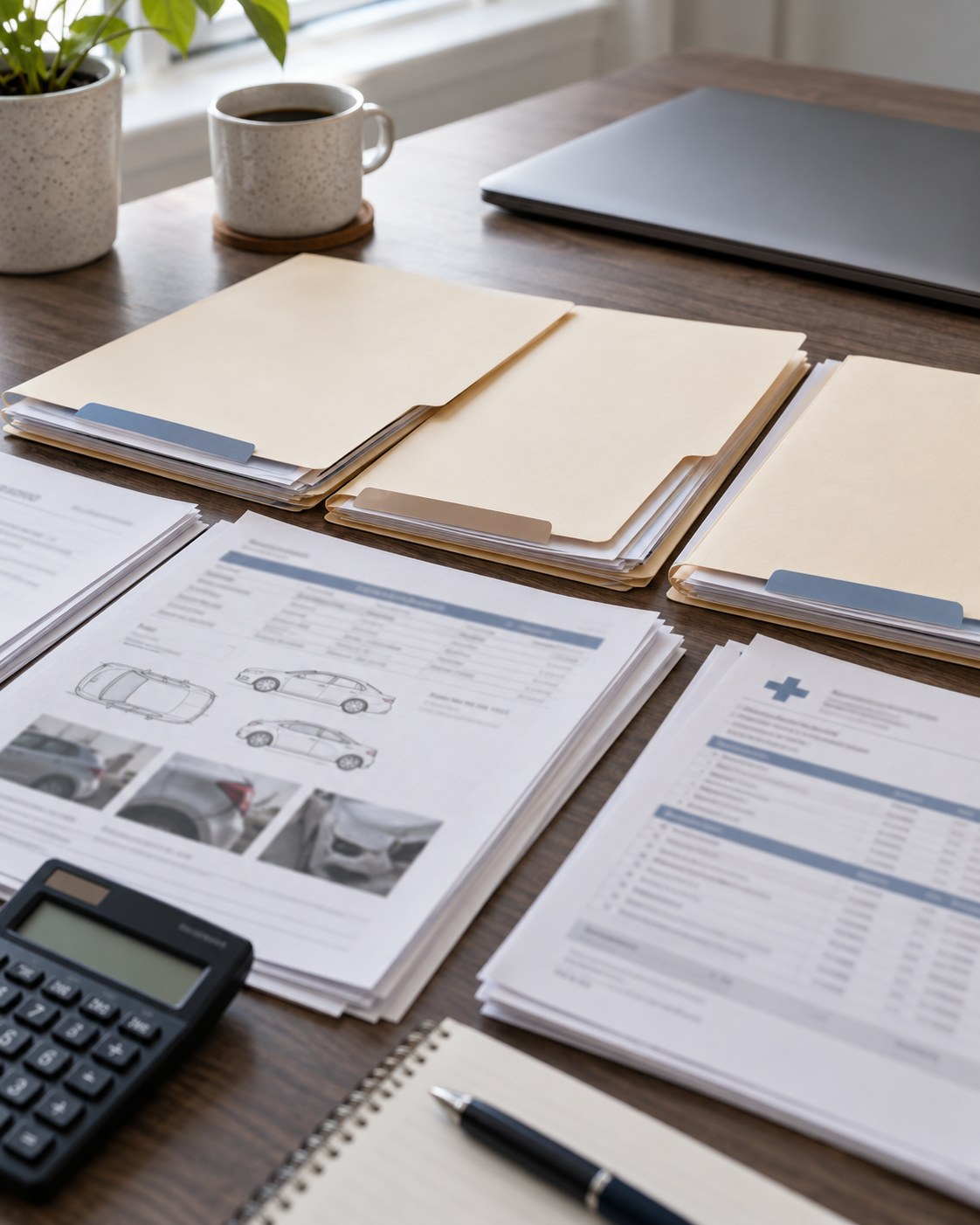
Organized vehicle and medical claim records on a desk

How Can You Keep Injury and Expense Records Useful?

Create a dated list of providers and appointments. Include emergency care, specialists, therapy, and any referrals still pending. Keep visit summaries, bills, payment statements, and written restrictions. Tell providers about new or changing symptoms so treatment decisions use accurate information.

Track missed shifts and reduced hours with supporting pay records. If your job requires standing, walking, lifting, or driving, save a description of those tasks. A restriction can be easier to understand when it is connected to what the job actually requires.

For self-employment, save invoices, scheduled jobs, expenses, and records of work you could not complete. Revenue changes can have more than one cause. Clear records help distinguish injury-related losses from unrelated changes in the business.

Keep brief, factual notes about help at home and changes in daily activities. Include improvement as well as setbacks. A provider’s care plan, receipts, and work records can support the account. Personal notes are useful context but do not replace medical evidence.

What Should You Review Before Accepting an Insurance Offer?

Bring the full offer and release, not only the dollar amount. Ask which person, policy, and claims the agreement covers. A review should also address unresolved treatment, disputed fault, and any insurer or benefit program seeking repayment.

  • Does the evidence explain the injury and the connection to the collision?
  • Are current medical costs and missed earnings documented?
  • Is future care supported by a provider rather than a guess?
  • Which fees, expenses, or reimbursement claims may reduce the payment you receive?
  • What rights would end when the release is signed?

A coverage limit is not a promise that the full amount will be paid. The available policies, legal responsibility, and supported losses all matter. Do not assume ongoing settlement talks pause a filing deadline. Ask for the relevant dates to be reviewed for your circumstances.

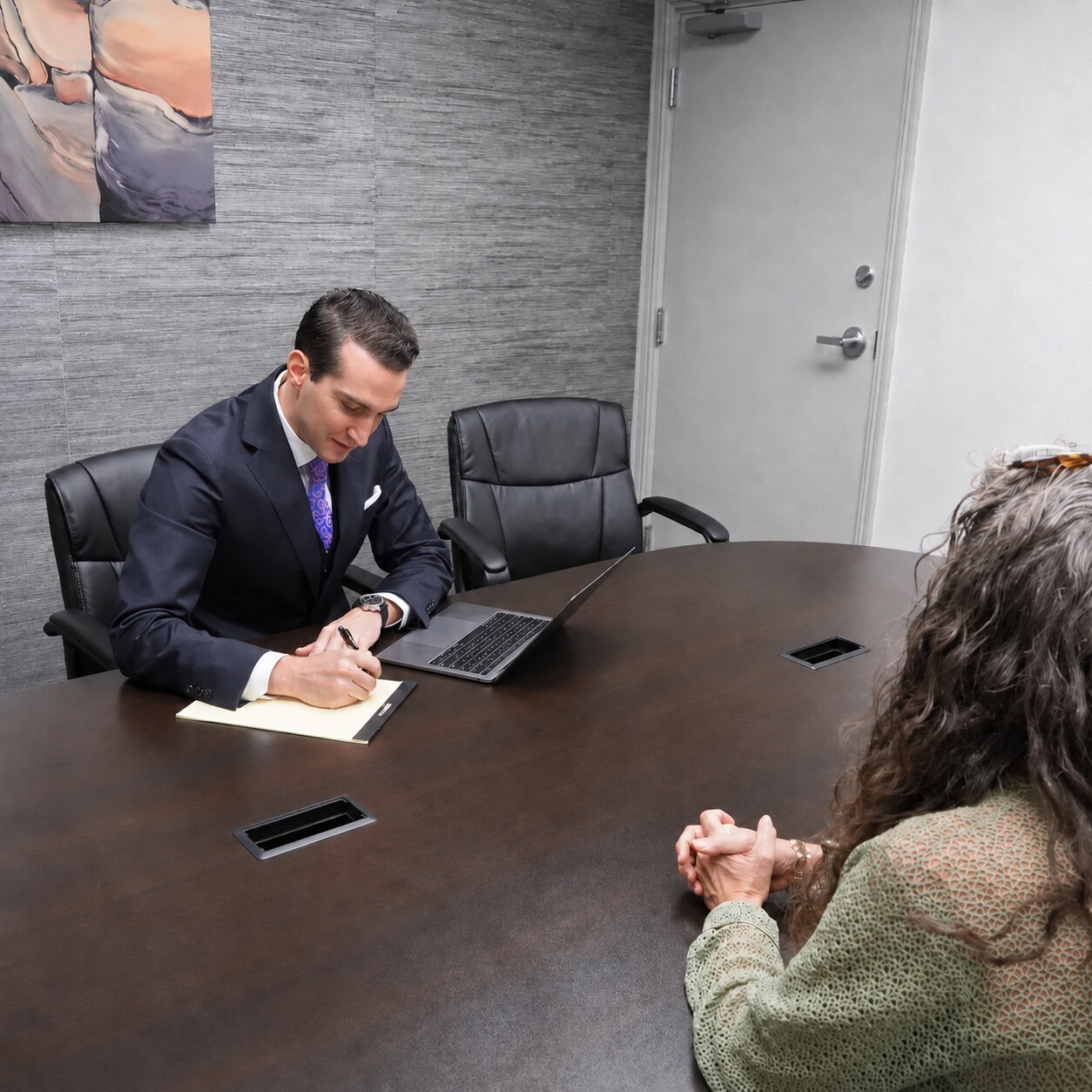
Jed Strong taking notes during a client meeting

How Strong Law Prepares Your Claim

A pedestrian claim needs a clear account of the crossing and the injury’s effect on daily life. Our team can organize that evidence, address disputed fault, and explain the insurer’s offer. We discuss preservation priorities, expected communication, and whether further investigation or litigation is warranted.

Strong Law’s firm background includes insurance-defense experience. That perspective informs preparation, but each case depends on its own law and evidence. Before representation, we explain the written terms for fees and case expenses.

“My family and I are repeat clients of Strong Law. All our questions and concerns were met with professional and prompt responses. Truly your case will be considered top importance as with all of Strong Law’s cases. 5 Stars is well deserved!” – Tim B

Past results do not guarantee the outcome of another case.

What Questions Do Injured Sandy Pedestrians Ask?

Does a Driver Always Have to Yield to a Pedestrian?

The answer depends on the crossing, signals, and circumstances. Utah has specific crosswalk and pedestrian rules, along with duties for drivers to use care. Pedestrians also must follow applicable signals and cannot enter traffic in ways prohibited by the code. The actual movements need review.

What Can I Do After a Hit-and-Run?

Report it promptly, save the report number, and preserve descriptions, witness contacts, and potential camera locations. Do not chase the vehicle. We can investigate identification and any applicable uninsured-motorist or other insurance coverage. A hit-and-run does not guarantee that a particular policy pays.

Can I Bring a Claim if I Did Not Own a Car?

A pedestrian injury claim can be brought against a legally responsible driver even if the pedestrian does not own a car. Insurance questions differ, and policies covering a household may need review. The absence of your own vehicle does not determine the driver’s responsibility.

How Soon Should I Contact a Lawyer?

Contact a lawyer while video and witness evidence can still be preserved, especially if injuries are serious or fault is disputed. Filing limits depend on the claim and parties. Governmental claims, deaths, and other circumstances can involve different deadlines. The Utah Courts deadline information is a starting point, not a calculation for your case.

Will My Pedestrian Claim Go to Court?

Some claims resolve through negotiation; others require a lawsuit when fault, damages, or coverage remains disputed. A case review can identify what evidence is needed and explain the available options. No settlement amount or outcome can be promised.

What if I Cannot Remember the Impact?

Tell your medical provider and lawyer about the memory gap. Do not guess. Reports, video, witness accounts, and physical evidence may help explain the event. Your own account should clearly separate what you remember from what others later told you.

Should I Keep Damaged Clothing or Shoes?

Yes, when safe to do so. Save the items and photographs without altering them. Note who has them and whether an insurer has asked to inspect them. Do not discard potential evidence before discussing preservation.

How Can You Contact a Sandy Pedestrian Injury Lawyer?

Strong Law serves Sandy from our Utah office at 193 E Fort Union Boulevard, Midvale, UT 84047. Call 385-746-1803 or request a free case review. We can discuss the available records, important deadlines, and whether representation fits your matter.

Why Experience Matters in Pedestrian Accident Cases
pedestrian accident lawyer in Sandy, UT

We’ve helped thousands of accident victims like you

we win
98%

win rate in court

4.9
stars

on Google reviews

over
2,000

successful cases
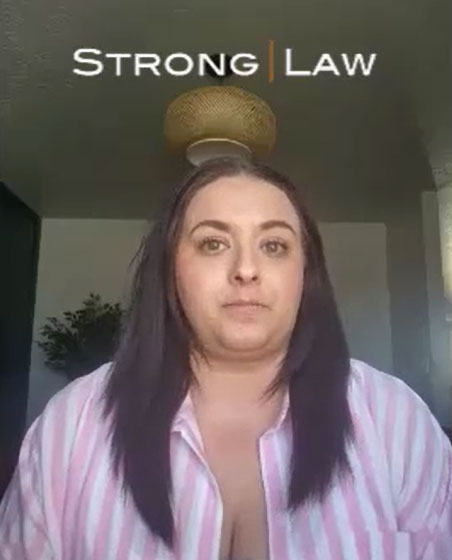
Strong Law client sharing her experience in a video testimonial
play button
"I would definitely recommend them."
Lindsey - Washington
Wistia video thumbnail
stars

“Very professional, and treated me as an equal.”

"Just wanted to say thank you to Jed and his team at Strong Law. Not only was I happy with the outcome, but the entire process as a whole. I would definitely recommend this firm to anyone. Thanks again."

Nick S.
Utah
stars

“Unbelievable work!”

"I had a claim involving my own insurance company. I tried to negotiate with them, and they completely denied my claim – two times. I then hired Strong Law, and the change was instant. The insurance company immediately began negotiating, and Jed was able to secure an unbelievably good settlement. I will never again attempt to take-on an insurance company without Strong Law in my corner. Thank you!"

Jonathon
Washington
Strong Law attorney speaking by phone at an office desk
play button
A welcome from Jed Strong
Wistia video thumbnail
Strong Law client discussing her experience in a video testimonial
play button
"They've always been there for me."
Marsha - Washington
Wistia video thumbnail
stars

“I got justice and awesome compensation.”

"I hired Strong Law after my car accident. Jed and his team worked hard on my case. They were professional and compassionate through my surgery and as I recovered, and they were awesome on communication. I got justice and awesome compensation. I would recommend Strong Law to anyone in my situation."

Rick R.
Colorado
Empty courtroom used for civil legal proceedings

Get Your Free
Case Review

Contact us

Our team is standing by to help you.

How did you hear about us?
Privacy & Terms Agreement
I agree to Strong Law Accident & Injury Attorneys’
Privacy Policy and Terms & Conditions
SMS/Text Message Consent
By checking this box, I consent to receive SMS/text messages from Strong Law Accident & Injury Attorneys about my inquiry, consultations, appointment reminders, intake follow-up, case-related communications, and legal services. Message frequency varies. Message and data rates may apply. Reply STOP to opt out or HELP for help. Consent is not a condition of hiring our firm or receiving legal services. View our Terms & Conditions and Privacy Policy.
Strong Law attorney speaking with a prospective client by phone