


Albuquerque Car Accident Lawyer for Crash Victims
Injured in an Albuquerque car crash? Strong Law investigates fault, handles insurers, and pursues compensation for medical care and other losses.

An Albuquerque car accident lawyer helps injured drivers and passengers prove how a crash happened, preserve important evidence, handle insurance disputes, and pursue compensation for medical care, lost income, pain, and other losses.
Strong Law Accident & Injury Attorneys investigates who caused the collision, whether another person or company may share responsibility, and which insurance policies may provide coverage. We also document how the crash affected the injured person’s health, work, mobility, family life, and daily activities.
Strong Law has an Albuquerque office at 500 Marquette Avenue NW, Suite 1200 #7317. From that office, we serve clients throughout Albuquerque, Bernalillo County, and nearby New Mexico communities. The Albuquerque intake number is 206-258-6161.
For broader information about negligence, damages, government claims, and the overall legal process, visit our Albuquerque personal injury lawyer page.
Do You Need a Lawyer After an Albuquerque Car Accident?
You may need legal help when a collision causes emergency treatment, surgery, ongoing pain, missed work, permanent limits, or a disagreement about who was at fault.
A lawyer may also be useful when the other driver left the scene, had no insurance, carried limits that were too low, or was working at the time. Crashes involving rideshare vehicles, delivery drivers, company vehicles, defective parts, or public agencies may involve several insurance policies and legal rules.
Consider getting advice before giving a detailed recorded statement, signing a broad medical authorization, or accepting an early settlement. A quick offer may arrive before you know whether you will need surgery, extended therapy, future medical care, or more time away from work.
Early action can also help preserve traffic-camera footage, nearby business video, dashcam recordings, vehicle data, phone records, and witness information.
Strong Law offers free case reviews for injured people and families throughout Albuquerque and Bernalillo County.
What Should You Do After a Car Crash in Albuquerque?
- Check for injuries and call for help. Call 911 if anyone may be injured, traffic is blocked, a driver leaves, or the scene creates an immediate danger.
- Get medical care. Head injuries, whiplash, internal injuries, and soft-tissue damage may not be fully clear at the scene.
- Exchange information. Get the other driver’s name, contact details, insurance information, license plate, and vehicle description.
- Photograph the scene. Capture the vehicles, damage, road conditions, traffic signals, skid marks, debris, visible injuries, and the wider crash area.
- Collect witness information. Do not assume every witness will be identified in the police report.
- Preserve electronic evidence. Save dashcam footage, phone photographs, vehicle-app information, rideshare records, and messages about the collision.
- Report the crash to your insurer. Give accurate basic information, but avoid guessing about fault, speed, distance, or future recovery.
- Keep your records. Save medical papers, bills, work notes, repair estimates, towing invoices, rental-car costs, and insurer messages.
Do not repair or dispose of a seriously damaged vehicle before it has been fully photographed and inspected when its condition may help explain how the collision occurred.
How Do You Get an Albuquerque Police Crash Report?
The Albuquerque Police Department provides traffic accident reports online through Carfax. Reports may also be obtained in person at the Law Enforcement Center at 400 Roma NW in Albuquerque. You can review the current process on the City of Albuquerque crash-report page.
A crash report may contain driver and insurance information, witness details, statements, a diagram, citations, and the officer’s observations.
The report can be important evidence, but it does not always make the final decision about civil fault. Video, physical damage, witnesses, roadway evidence, phone records, and vehicle data may support a different explanation of what happened.
Crashes investigated by the Bernalillo County Sheriff’s Office, New Mexico State Police, or another agency may require a different records request.

Contents

What Types of Car Accidents Happen in Albuquerque?
Albuquerque drivers face a mix of freeway traffic, busy multi-lane roads, neighborhood streets, commercial driveways, and major intersections.
High-speed merging and lane changes may be involved near I-25, I-40, and the Big I. Roads such as Central Avenue, Coors Boulevard, Paseo del Norte, Montgomery Boulevard, and Tramway Boulevard can involve turning vehicles, changing speeds, heavy traffic, and several lanes moving in different directions.
Common collisions include:
- Rear-end and chain-reaction crashes
- Left-turn, failure-to-yield, and side-impact collisions
- Head-on, rollover, and other high-force crashes
- Highway merging and unsafe lane-change accidents
- Hit-and-run, rideshare, delivery, and company-vehicle crashes
- Collisions involving pedestrians, cyclists, or motorcyclists
Commercial trucks may involve driver logs, company safety records, electronic data, federal regulations, and larger insurance policies. Those issues are covered on our Albuquerque truck accident lawyer page.
Motorcycle, pedestrian, and bicycle collisions also involve different visibility, right-of-way, insurance, and injury issues. Learn more from our Albuquerque motorcycle accident lawyer, Albuquerque pedestrian accident lawyer, and Albuquerque bicycle accident lawyer pages.
How Is Fault Determined After a New Mexico Car Accident?
New Mexico uses a fault-based system for car accident claims. A driver or other party whose negligence caused the collision may be responsible for the resulting medical, income, property, and other losses, subject to available insurance and comparative-fault rules.
Evidence may show that a driver ran a red light, failed to yield, followed too closely, changed lanes without checking, or drove too fast for the conditions. Other crashes involve phone use, another form of distraction, impairment, dangerous fatigue, or failure to watch for surrounding traffic.
More than one party may be responsible. A driver’s employer may share liability when the driver was working. A manufacturer may be involved if a defective vehicle or part helped cause the crash. A maintenance company, road contractor, rideshare company, delivery business, or public agency may also become part of the investigation.
Police citations can be useful, but they are not the only evidence. Fault may also depend on video, witness statements, vehicle damage, electronic data, road measurements, phone records, and crash reconstruction.
Crash-location data can show where collisions repeatedly occur, but it does not establish fault in a specific case. Our analysis of the most dangerous intersections in Albuquerque compares 2024 total-crash, fatal-crash, and pedestrian hotspots with MRCOG’s traffic-adjusted injury network.
Can You Recover if You Were Partly at Fault?
Yes. New Mexico follows pure comparative negligence, also called pure comparative fault.
Partial responsibility does not automatically prevent recovery. Instead, compensation may be reduced by the injured person’s percentage of fault.
For example, if total damages were $100,000 and the injured person were assigned 20% of the fault, the potential recovery could be reduced to $80,000.
The New Mexico Supreme Court adopted pure comparative negligence in Scott v. Rizzo. Under that system, responsibility is divided according to each party’s share of fault.
An insurance adjuster’s fault percentage is not final. Scene evidence, video, witness accounts, physical damage, and electronic records may support a different result.
What Insurance May Cover an Albuquerque Car Accident?
The at-fault driver’s bodily-injury liability coverage is often the main source of payment for an injury claim.
New Mexico requires drivers to carry minimum liability limits of:
- $25,000 for bodily injury or death to one person
- $50,000 for bodily injury or death to two or more people
- $10,000 for property damage in one accident
Those minimum limits may be far below the medical expenses, income loss, and long-term harm caused by a serious collision. The New Mexico Motor Vehicle Division explains the state’s required coverage.
Other possible coverage may include:
- Uninsured or underinsured motorist coverage
- Medical-payments coverage, if purchased
- Collision or comprehensive coverage
- Health insurance or a household member’s policy
- Employer, commercial, rideshare, or delivery-company insurance
- An umbrella policy
Strong Law reviews the available layers of coverage that may apply instead of assuming the claim is limited to the other driver’s policy.
How Does UM/UIM Coverage Work in New Mexico?
Uninsured-motorist coverage, often called UM coverage, may help when the responsible driver has no insurance or cannot be identified after a hit-and-run crash.
Underinsured-motorist coverage, or UIM coverage, may apply when the responsible driver has insurance, but the available limits are too low to cover the injured person’s losses.
New Mexico automobile policies generally must include UM/UIM coverage unless the named insured rejects it in writing. The available amount depends on the policy, rejection documents, covered vehicles and people, and the facts of the collision. The governing statute is N.M. Stat. § 66-5-301.
New Mexico insurance regulators also require insurers to offer UM/UIM coverage on a per-vehicle cost basis for multi-vehicle policies. The requirement is explained in New Mexico OSI Bulletin 2025-013.
Several policies may need to be reviewed. These can include the policy covering the vehicle, policies held by household members, and commercial, rideshare, or employer policies.
Do not assume your claim is limited to the other driver’s minimum liability insurance.
What if the Driver Left the Scene?
Call law enforcement promptly and provide as much information as possible about the vehicle, direction of travel, license plate, driver, and witnesses.
Photographs, nearby business video, residential cameras, dashcams, debris, paint transfer, and witness accounts may help identify the vehicle.
Even when the driver is not found, UM coverage may apply under a policy that covers the injured person. The insurer may still require proof that another vehicle caused the collision, so early evidence preservation can be important.

What Evidence Should Be Preserved?
A strong car accident claim may use:
- The police or crash report
- Scene and vehicle photographs
- Traffic-camera, business, residential, or dashcam video
- Witness statements
- Event data recorder or vehicle-system information
- Phone and app records when distraction is disputed
- Road marks, debris, sight lines, and signal timing
- Repair estimates and vehicle inspections
- Medical records, imaging, therapy notes, and work restrictions
- Wage records and employer statements
- Crash reconstruction when the facts require it
Some evidence may be overwritten or destroyed within days. Businesses may erase surveillance footage, damaged vehicles may be repaired, and electronic data may be lost.
Medical evidence also matters. Tell healthcare providers how the crash happened, describe every symptom accurately, and follow reasonable treatment instructions.
How Do Insurance Companies Challenge Car Accident Claims?
An insurance company may accept that a collision occurred while still disputing fault, the cause of the injuries, treatment, or claim value.
Common arguments include:
- The injured person caused part of the crash
- The vehicles show too little damage to cause an injury
- Symptoms came from an older medical condition
- Treatment began too late or there was a gap in care
- The injured person returned to work and therefore recovered
- Therapy or future treatment is unnecessary
- Social-media posts show normal activity
- The claimant failed to reduce the losses
- An early statement conflicts with later medical records
Low visible vehicle damage does not always show how much force reached a person inside the vehicle. Whiplash, concussion symptoms, and soft-tissue injuries may also become clearer after the initial shock of the crash.
Before representing injured people, attorney Jed Strong worked as in-house counsel for GEICO. That experience helps Strong Law recognize blame-shifting, broad medical-record requests, quick settlement pressure, and incomplete reviews of available coverage.
What Injuries Can a Car Crash Cause?
Car accidents may cause:
- Whiplash and other neck injuries
- Back and spinal injuries
- Concussions and traumatic brain injuries
- Broken bones
- Shoulder, knee, and joint injuries
- Internal injuries
- Cuts, burns, scarring, and nerve damage
- Anxiety, sleep problems, and emotional distress
- Permanent disability
Head injuries may require the medical and cognitive evidence discussed on our Albuquerque brain injury lawyer page.
A life-changing injury involving permanent disability, future care, or reduced independence may overlap with an Albuquerque catastrophic injury claim.
If the collision caused a death, the family may need separate guidance about the personal representative, beneficiaries, estate issues, and available damages. Our Albuquerque wrongful death lawyer page addresses those issues.
What Compensation May Be Available?
Compensation depends on fault, the injuries, available insurance, medical treatment, and how the collision affected the person’s life.
Economic Damages
Economic damages cover financial losses that can be measured with records. They may include emergency care, hospitalization, surgery, medication, therapy, rehabilitation, future treatment, lost wages, reduced earning ability, vehicle damage, towing, rental-car expenses, transportation, and other accident-related costs.
Non-Economic Damages
Non-economic damages address the personal impact of the injury. They may include pain and suffering, emotional distress, scarring, permanent impairment, reduced independence, and loss of enjoyment of normal activities.
There is no reliable average value for every Albuquerque car accident claim. Two people in similar crashes may have very different treatment, work loss, insurance coverage, recovery time, and permanent effects.
A serious claim should not be valued before the medical and work-related outlook is reasonably clear.

We’ve helped thousands of accident victims like you
we win
98%
4.9
stars
over
2,000
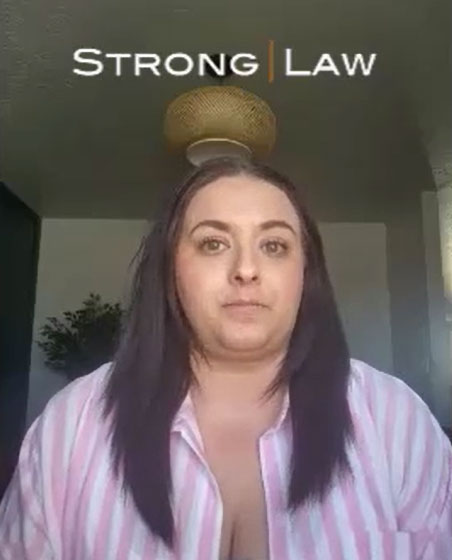


“Very professional, and treated me as an equal.”
"Just wanted to say thank you to Jed and his team at Strong Law. Not only was I happy with the outcome, but the entire process as a whole. I would definitely recommend this firm to anyone. Thanks again."
“Unbelievable work!”
"I had a claim involving my own insurance company. I tried to negotiate with them, and they completely denied my claim – two times. I then hired Strong Law, and the change was instant. The insurance company immediately began negotiating, and Jed was able to secure an unbelievably good settlement. I will never again attempt to take-on an insurance company without Strong Law in my corner. Thank you!"

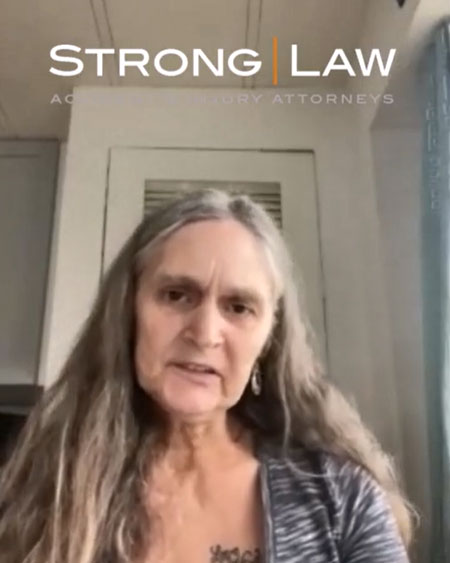
“I got justice and awesome compensation.”
"I hired Strong Law after my car accident. Jed and his team worked hard on my case. They were professional and compassionate through my surgery and as I recovered, and they were awesome on communication. I got justice and awesome compensation. I would recommend Strong Law to anyone in my situation."

How Long Do You Have to File a New Mexico Car Accident Claim?
Many New Mexico personal injury lawsuits generally must be filed within three years under N.M. Stat. § 37-1-8.
Different rules may apply to claims involving government vehicles, public employees, fatal crashes, minors, defective products, insurance disputes, or other specialized legal theories.
Do not wait simply because the general filing period appears long. Video, witness memories, vehicle condition, and electronic evidence may be lost much sooner.
What if a Government Vehicle or Public Agency Was Involved?
A collision involving a City of Albuquerque vehicle, public bus, state vehicle, road-maintenance crew, or public employee may be governed by the New Mexico Tort Claims Act.
A qualifying injury claim may require written notice within 90 days, stating the time, place, and circumstances of the injury. A lawsuit against a government entity or public employee may also be subject to a separate two-year filing period.
Immunity must be waived for the type of claim involved, and notice generally must be sent to the correct public office. New Mexico provides an official Tort Notice of Claim process.
If a government-related crash caused a death, the notice period for a qualifying wrongful death claim is generally six months rather than 90 days under N.M. Stat. § 41-4-16.
Government-related crashes should be reviewed promptly because the notice period may expire long before the ordinary personal injury deadline.
How Does an Albuquerque Car Accident Claim Move Forward?
- Free case review. Strong Law reviews the collision, injuries, insurer contact, and evidence that may still exist.
- Evidence preservation. Reports, photographs, video, vehicle data, phone records, witness information, and damaged property are identified.
- Fault investigation. The actions of each driver and any responsible company or public entity are reviewed.
- Insurance review. Liability, UM/UIM, household, rideshare, employer, commercial, and umbrella policies may be examined.
- Medical and wage documentation. Treatment records, bills, work restrictions, lost income, and future needs are gathered.
- Claim evaluation and demand. The claim is presented with evidence of fault, injuries, financial loss, and daily-life effects.
- Negotiation or litigation. Strong Law negotiates with the insurers and may file a lawsuit when responsibility or fair compensation remains disputed.
The claim should not be rushed before the medical picture is clear. It also should not sit while important crash evidence disappears.
Why Choose Strong Law After an Albuquerque Car Accident?
Strong Law builds Albuquerque car accident claims around three questions:
- How did the crash happen?
- Which insurance policies may apply?
- How did the collision change the injured person’s life?
Our team looks beyond the basic police report. We review vehicle evidence, insurance coverage, medical records, income loss, and the insurer’s stated reasons for reducing or denying the claim.
Strong Law has handled more than 2,000 successful cases across its offices. The Albuquerque office currently has a 5.0-star Google rating from 3 reviews.
The Albuquerque office is located at:
500 Marquette Avenue NW, Suite 1200 #7317
Albuquerque, NM 87102
Strong Law offers free case reviews and handles qualifying car accident claims on a contingency fee basis. There are no upfront attorney fees or hourly bills. The exact attorney fee and any case-cost terms are explained before representation begins. Attorney fees are not is faulted unless compensation is recovered.
Frequently Asked Questions About Albuquerque Car Accident Claims
Do I need a lawyer after a minor car accident?
Not every minor collision requires a lawyer. A consultation may still be useful when injuries develop later, fault is disputed, the insurer denies coverage, or the settlement offer does not cover the losses.
How do I get my Albuquerque police crash report?
APD currently provides traffic accident reports online through Carfax and in person at the Law Enforcement Center at 400 Roma NW.
Can I recover if I was partly at fault?
Yes. New Mexico uses pure comparative fault. Your compensation may be reduced by your percentage of responsibility, but partial fault does not automatically prevent recovery.
What are New Mexico’s minimum auto insurance limits?
New Mexico requires minimum liability limits of $25,000 for injury or death to one person, $50,000 for injury or death to two or more people, and $10,000 for property damage.
What if the other driver has no insurance?
UM coverage may help when a driver has no insurance or cannot be identified. UIM coverage may apply when the driver has insurance but not enough to cover the losses.
Should I give the other insurer a recorded statement?
You may need to report the collision, but be careful with detailed recorded statements. Do not guess about speed, distance, fault, symptoms, or recovery.
What if my injuries appeared after the crash?
Delayed symptoms can occur. Seek medical care when symptoms develop or worsen, explain that they followed the crash, and keep records of the medical timeline.
What is my Albuquerque car accident case worth?
Value depends on fault, treatment, future care, income loss, permanent effects, available insurance, and the strength of the evidence. There is no reliable average value for every claim.
How long do I have to file a car accident lawsuit in New Mexico?
Many injury lawsuits generally have a three-year filing period. Government claims and other specialized cases may have shorter or different deadlines.
How long does a car accident claim take?
Some claims resolve in months, while others take longer. The timeline depends on medical recovery, disputed fault, insurance coverage, the number of responsible parties, and whether a lawsuit is required.
How much does an Albuquerque car accident lawyer cost?
Strong Law handles qualifying car accident cases on a contingency fee basis. There are no upfront attorney fees or hourly bills, and attorney fees are not owed unless compensation is recovered.
Where is Strong Law’s Albuquerque office?
Strong Law’s Albuquerque office is at 500 Marquette Avenue NW, Suite 1200 #7317, Albuquerque, New Mexico 87102.
Speak With an Albuquerque Car Accident Lawyer
A car crash can leave you facing medical treatment, vehicle damage, missed income, and an insurer trying to reduce or deny the claim.
Strong Law can preserve evidence, investigate fault, review every available insurance policy, document the full loss, and help protect your claim.
Contact Strong Law Accident & Injury Attorneys or call 206-258-6161 for a free case review.
Get Your Free
Case Review

Contact us
Our team is standing by to help you.