

Albuquerque Brain Injury Lawyer for TBI Claims
Strong Law helps brain injury victims preserve evidence, document changes in daily life, and pursue compensation when another party is responsible.

An Albuquerque brain injury lawyer helps people document traumatic brain injuries, prove how an accident occurred, address insurance-company defenses, and pursue compensation for medical care, lost income, rehabilitation, and future needs.
A traumatic brain injury can affect memory, concentration, mood, balance, communication, sleep, and the ability to work or live independently. These effects may be obvious after a severe head injury, or they may appear gradually after a concussion that initially seemed minor.
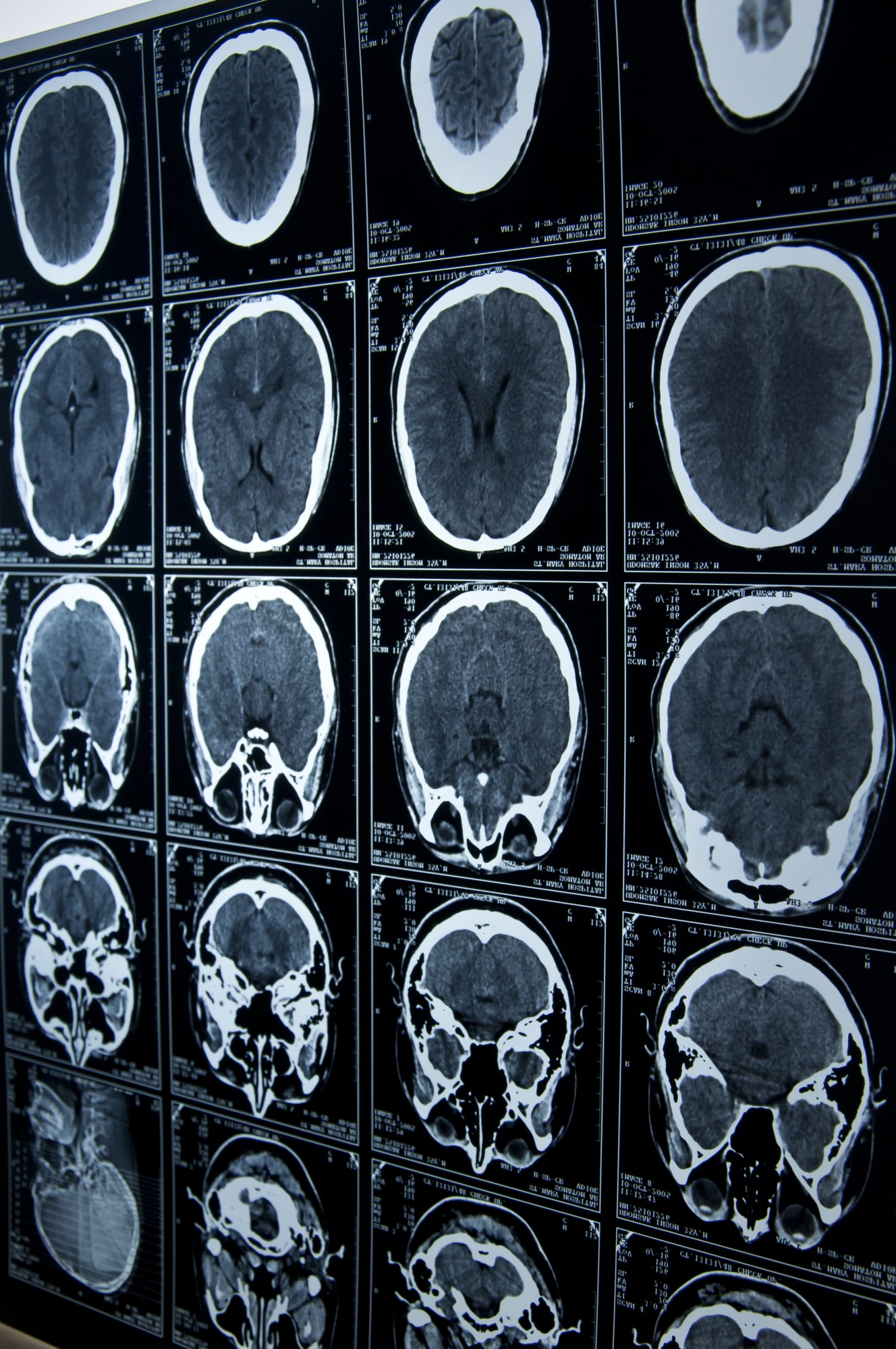
A normal CT scan, the absence of a skull fracture, or the fact that someone never lost consciousness does not automatically rule out a concussion or mild traumatic brain injury. The Centers for Disease Control and Prevention advises medical professionals not to use routine CT or MRI imaging as the only method of evaluating mild TBI. Imaging may instead be used when a provider is concerned about bleeding or another structural injury. Learn more from the CDC’s traumatic brain injury guidance.
Strong Law Accident & Injury Attorneys represents people whose brain injuries resulted from vehicle crashes, falls, unsafe property, defective products, workplace incidents involving third parties, and other forms of negligence.
Call (505) 465-8341 or contact Strong Law for a Free Case Review.
For information about other negligence and insurance claims, visit our Albuquerque personal injury lawyer page.
Seek Immediate Care for Brain Injury Danger Signs
This page provides general legal information. It is not a substitute for evaluation, diagnosis, or treatment by a licensed medical professional.
Call 911 or seek emergency care after a head injury if a person develops a worsening headache, repeated vomiting, seizures, weakness or numbness, slurred speech, unequal pupils, increasing confusion, unusual behavior, severe drowsiness, or difficulty waking. These are among the brain injury danger signs identified by the CDC.
A legal consultation should never delay necessary medical care.
What Is a Traumatic Brain Injury?
A traumatic brain injury occurs when a bump, blow, jolt, or penetrating injury disrupts normal brain function. A concussion is a form of traumatic brain injury.
Medical professionals may classify a TBI as mild, moderate, or severe based on the person’s condition, symptoms, examination, memory loss, loss of consciousness, imaging, and other clinical findings.
The word “mild” refers to the initial medical classification. It does not mean the symptoms are imaginary or incapable of disrupting a person’s life. The CDC notes that mild TBIs and concussions can still have serious effects.
Mild TBI and Concussion
A concussion may cause headaches, dizziness, nausea, mental fog, memory problems, slowed thinking, light or noise sensitivity, fatigue, irritability, anxiety, sleep changes, or balance problems.
A person does not have to strike the head against a hard object or be knocked unconscious. A sudden jolt can cause the brain to move rapidly within the skull, and most concussions do not involve a loss of consciousness.
Moderate and Severe TBI
Moderate and severe brain injuries may involve extended unconsciousness, significant memory loss, bleeding, swelling, penetrating trauma, or other neurological damage.
The long-term effects can involve movement, speech, judgment, mood, behavior, memory, relationships, and independent living. The severity and duration vary from person to person. The CDC provides additional information about traumatic brain injury effects and outcomes.
A legal claim should therefore focus on the person’s actual medical needs and functional losses rather than relying on a label alone.
Can Brain Injury Symptoms Appear Later?
Yes. Some symptoms begin immediately, while others may not be noticed until hours or days after the injury.
An injured person may initially focus on visible wounds, vehicle damage, broken bones, or the shock of the event. Cognitive problems may become more noticeable when the person returns to work, school, driving, household tasks, or a busy environment.
Family members may notice repeated questions, unusual irritability, forgotten conversations, missed appointments, slowed responses, or personality changes before the injured person fully recognizes them.
Symptoms may involve:
- Headaches, nausea, dizziness, fatigue, balance problems, or sensitivity to light and noise
- Memory problems, slowed thinking, poor concentration, confusion, or difficulty finding words
- Irritability, anxiety, depression, emotional changes, or unusual behavior
- Sleeping too much, sleeping too little, or having difficulty falling asleep
The CDC recognizes physical, cognitive, emotional, behavioral, and sleep-related symptoms. Some concussion symptoms may not appear or be recognized until later.
Delayed symptoms do not by themselves prove that an accident caused a TBI. They do make accurate medical history and timely documentation important.
What Should You Do After a Suspected Brain Injury?
Seek appropriate medical care and describe all symptoms accurately, even when they seem unrelated to the original accident. Tell the provider about headaches, confusion, memory lapses, dizziness, vision changes, nausea, mood changes, sleep problems, or difficulty performing ordinary tasks.
Follow the treating provider’s instructions about work, school, driving, screen use, physical activity, and follow-up care. Medical decisions should be made by licensed professionals who have evaluated the patient.
Several additional steps may help protect both health and a potential claim:
- Document symptoms. Record when symptoms began, how often they occur, what makes them worse, and how they affect ordinary activities.
- Ask someone you trust to observe changes. A relative, friend, coworker, or caregiver may notice problems the injured person does not recognize.
- Save important records. Keep discharge instructions, referrals, test results, therapy records, work restrictions, absence records, and insurer communications.
- Preserve accident evidence. Save photographs, video, damaged vehicles, helmets, electronic data, witness information, and incident reports.
- Avoid minimizing the injury to an insurer. Statements made before the full effects are understood may later be used to argue that the injury was minor or unrelated.
Seeking legal advice does not require someone to immediately file a lawsuit. It can help identify evidence, insurance coverage, deadlines, and available options.
Can You Have a Brain Injury With a Normal CT or MRI?
Yes. A normal structural scan does not automatically disprove a concussion.
CT and MRI scans may help identify bleeding, fractures, swelling, and other structural conditions. They are not required in every mild TBI case, and the CDC advises clinicians not to routinely image every adult with a suspected mild TBI. Review the CDC’s adult mild TBI recommendations.
A concussion may instead be diagnosed through the person’s history, reported symptoms, clinical examination, and the medical provider’s judgment.
When imaging is normal, the legal claim may depend on the combined evidence rather than one test. Relevant evidence can include:
- Emergency, primary-care, neurology, and rehabilitation records
- Reports showing when symptoms began and how they changed
- Clinical findings involving balance, coordination, speech, memory, or other functions
- Neuropsychological testing when medically appropriate
- Physical, occupational, speech-language, cognitive, or vestibular therapy records
- Employment or school records showing missed time, errors, accommodations, or reduced performance
- Testimony from family members, coworkers, friends, or caregivers
- Evidence showing the force, movement, impact, and circumstances of the accident
No single evaluation is necessary in every case. Treating professionals decide which tests and referrals are appropriate.
The legal question is whether the evidence reliably connects the incident to the diagnosed injury and resulting losses.
Why Does Evidence From Daily Life Matter?
A medical record may say that a person has memory loss or poor concentration without showing what those symptoms mean at home or at work.
A spouse may explain that the person forgets conversations, leaves appliances on, cannot manage household finances, or needs reminders for medications and appointments.
A supervisor may describe missed deadlines, repeated errors, slower work, difficulty following instructions, or the loss of skills the employee previously used without trouble.
Calendars, messages, work evaluations, photographs, videos, journals, and testimony from people who knew the injured person before and after the accident may help document the change.
The goal is not to exaggerate ordinary mistakes. It is to present specific, credible examples of how the injury changed the person’s functioning.
Questions about a concussion, normal imaging, or delayed symptoms? Call (505) 465-8341 or request a Free Case Review.

Contents
What Treatment and Rehabilitation May Follow a TBI?
Treatment depends on the individual injury and should be directed by qualified medical professionals.
Depending on the symptoms and severity, care may involve emergency physicians, primary-care providers, neurologists, physiatrists, neuropsychologists, mental health providers, vision specialists, and other clinicians.
Rehabilitation may involve physical therapy, occupational therapy, speech-language therapy, cognitive rehabilitation, vestibular therapy, psychological support, medication management, or other recommended care.
Not every patient needs every provider or treatment. A legal claim should reflect the care actually recommended and the person’s documented needs.
How Do Brain Injuries Happen in Albuquerque?
Brain injuries can result from many preventable incidents.
A car crash can cause the head and body to move suddenly even without direct contact with a steering wheel, window, or dashboard. Vehicle data, damage photographs, surveillance footage, witness accounts, and medical records may help reconstruct what happened. Related insurance and fault issues are discussed on our Albuquerque car accident lawyer page.
Commercial truck crashes may involve severe forces and several responsible companies. Driver logs, electronic data, onboard video, maintenance records, dispatch messages, and company policies may need to be preserved quickly. Learn more on our Albuquerque truck accident lawyer page.
Motorcyclists, bicyclists, and pedestrians have little physical protection from an impact. Related information appears on our Albuquerque motorcycle accident lawyer, Albuquerque bicycle accident lawyer, and Albuquerque pedestrian accident lawyer pages.
Falls may cause head injuries on unsafe stairs, slick flooring, damaged pavement, poorly lit walkways, or unprotected edges. These cases often depend on photographs, surveillance video, inspection procedures, maintenance records, and prior complaints.
Workplace incidents may involve falls, falling objects, vehicle collisions, defective equipment, or explosions. Workers’ compensation may apply, but a separate third-party claim may also exist against a contractor, property owner, manufacturer, or negligent driver.
Who May Be Responsible for a Brain Injury?
Liability depends on the circumstances.
Potentially responsible parties may include:
- A negligent driver or vehicle owner
- A trucking company, commercial carrier, maintenance provider, or cargo company
- A property owner, tenant, manager, or maintenance contractor
- A construction company, subcontractor, or equipment operator
- A product manufacturer, distributor, or seller
- A third party involved in a workplace incident
- A public agency or employee when New Mexico law permits the claim
More than one party may share responsibility. Identifying all potential defendants can affect the available insurance coverage and the ability to recover full compensation.
How Do Insurance Companies Challenge Brain Injury Claims?
Brain injuries are frequently disputed because many symptoms are not visible on an X-ray, photograph, or routine scan.
An insurer may argue that:
- The impact was too minor to cause a TBI
- The person never lost consciousness
- CT or MRI imaging was normal
- Symptoms were reported too late
- There was a gap in medical treatment
- A prior concussion, migraine, mental health condition, sleep problem, or medication caused the symptoms
- The injured person returned to work or resumed normal activities
- Cognitive test results are inconsistent or affected by other factors
These questions should be addressed through records, testimony, medical history, accident evidence, and appropriate professional evaluation.
What if You Had a Prior Condition?
A prior concussion, migraine disorder, anxiety, depression, or other condition does not automatically prevent a claim.
The evidence should establish the person’s condition before the accident, whether that condition was stable, what changed afterward, and whether the new incident caused or aggravated the current symptoms.
Earlier medical records may help establish the person’s baseline. An accurate history is usually more credible than trying to conceal a prior condition.
What if There Was a Treatment Gap?
An insurer may argue that a treatment gap shows the injury resolved or was not caused by the accident.
There may be legitimate explanations, including delayed symptoms, referral delays, lack of insurance, transportation problems, difficulty missing work, or cognitive problems that interfere with scheduling and follow-through.
Those circumstances should be documented honestly. A gap should not be ignored or given an explanation that the evidence does not support.
What Compensation May Be Available?
The value of a brain injury claim depends on fault, medical evidence, functional limitations, future needs, earning history, insurance coverage, and the strength of the causation evidence.
Depending on the case, compensation may include:
- Emergency treatment, hospitalization, testing, and follow-up care
- Rehabilitation, therapy, medications, and medical equipment
- Lost wages and employment benefits
- Reduced future earning capacity
- Paid assistance, attendant care, or household services
- Transportation or accessibility-related expenses
- Physical pain and discomfort
- Emotional distress
- Permanent impairment
- Loss of independence and enjoyment of life
A severe TBI may also involve the long-term disability and care issues discussed on our Albuquerque catastrophic injury lawyer page.
If the injury proves fatal, the family may need guidance about the personal representative, statutory beneficiaries, deadlines, and damages described on our Albuquerque wrongful death lawyer page.
How Are Future Care and Lost Earning Capacity Evaluated?
A brain injury claim should not necessarily be valued only by the bills and wages lost to date.
Future losses may depend on prognosis, recommended care, work restrictions, accommodations, household limitations, and the person’s expected level of independence.
In serious cases, treating providers and qualified professionals may help evaluate future treatment, rehabilitation, attendant care, equipment, employment options, reduced earning ability, or long-term costs.
Lost earning capacity is different from past lost wages. A person may return to work but still experience reduced hours, lower productivity, missed promotions, fewer career options, or an inability to perform the same occupation.
Will Medical Liens Affect the Recovery?
A settlement may require the resolution of valid reimbursement claims or medical liens from Medicare, Medicaid, health insurers, or medical providers.
Medicaid programs are generally required to identify liable third parties and may seek recovery when benefits paid for medical care are later included in a tort settlement or court award. Additional information is available through the federal government’s Medicaid third-party liability guidance.
The amount the client ultimately receives may therefore depend on attorney fees, case expenses, and enforceable reimbursement claims. Those issues should be identified before settlement proceeds are distributed.

What if the Injured Person Was Partly at Fault?
New Mexico uses comparative-fault principles in negligence cases.
A person’s recovery may be reduced by the percentage of responsibility assigned to that person rather than automatically eliminated because the person shares some fault. New Mexico courts use verdict forms that assign percentages of fault totaling 100 percent among the responsible parties.
Fault arguments may involve distracted driving, speed, helmet or seat-belt issues, failure to follow a warning, alcohol, or conduct on unsafe property.
An insurance company’s initial fault percentage is not binding. Video, physical evidence, electronic data, witnesses, reconstruction, and the conduct of every involved party should be reviewed.
How Long Do You Have to File a New Mexico Brain Injury Claim?
New Mexico’s general limitations period for an action involving injury to a person is three years. The correct starting date and deadline can depend on the facts and legal theory. The general rule appears in N.M. Stat. § 37-1-8.
Three years should not be treated as a reason to wait. Video may be erased, vehicles repaired, products discarded, witnesses lost, and records destroyed under routine retention practices long before the filing deadline.
Different periods and procedures may apply to medical malpractice, minors, federal agencies, tribal entities, defective products, out-of-state conduct, and other specialized matters.
Are Government Claims Different?
Yes.
A qualifying claim under the New Mexico Tort Claims Act may require written notice within 90 days after the occurrence giving rise to the injury. The proper recipient depends on whether the potential defendant is the state, a city, county, school district, or another public body. New Mexico provides an official notice process for claims directed to the state Risk Management Division.
A separate two-year filing period generally applies to qualifying Tort Claims Act lawsuits against governmental entities and public employees. The claim must also fall within a statutory waiver of immunity. The filing period appears in N.M. Stat. § 41-4-15.
An incident involving a City of Albuquerque vehicle, public school, state roadway, public facility, law enforcement agency, or other government body should be reviewed promptly.
How Does Strong Law Investigate a Brain Injury Claim?
A brain injury investigation commonly involves five connected steps.
Preserving Liability Evidence
The legal team identifies evidence that may disappear, including surveillance footage, vehicle data, phone information, incident reports, company communications, damaged products, inspection records, or witness accounts.
Reviewing Medical History
Records are examined to understand the person’s condition before the accident, symptoms afterward, evaluations performed, and treatment recommended.
The lawyer’s role is not to make medical decisions. It is to understand and accurately present the evidence developed by treating professionals.
Documenting Functional Changes
The investigation considers changes in work, household responsibilities, communication, relationships, driving, finances, and independent living.
Specific examples are usually more persuasive than a broad statement that the injured person is “not the same.”
Evaluating Financial and Future Losses
Medical expenses, lost income, rehabilitation, household help, future care, and reduced earning ability are documented.
Qualified medical, vocational, economic, or rehabilitation professionals may be consulted when the issues are significant and disputed.
Addressing Insurance Defenses
Strong Law evaluates arguments involving normal imaging, prior conditions, delayed symptoms, treatment gaps, comparative fault, and the extent of the claimed losses.
A claim may be resolved through negotiation or may require litigation when the insurer disputes responsibility, causation, coverage, future needs, or fair compensation.
Why Choose Strong Law for an Albuquerque Brain Injury Claim?
Brain injury cases require careful documentation because some of the most disruptive symptoms are not visible.
Strong Law focuses on connecting the accident evidence, medical history, and real changes in the client’s daily functioning. The firm can gather records, preserve evidence, communicate with insurers, evaluate potential defendants, and prepare the claim for settlement or litigation.
Before founding Strong Law, attorney Jed Strong worked as in-house counsel for GEICO. That insurance-defense experience helps the firm recognize efforts to minimize injuries, shift fault, challenge causation, or pressure an injured person to settle before the long-term effects are understood.
Strong Law has handled more than 2,000 successful cases across its offices.
The firm serves clients in Albuquerque and offers consultations by phone, video, or by appointment at:
500 Marquette Avenue NW, Suite 1200 #7317
Albuquerque, NM 87102
View the Albuquerque office and Google Business Profile.
Qualifying brain injury cases are handled on a contingency fee basis. There are no upfront attorney fees or hourly attorney bills. The written agreement explains the percentage fee, litigation expenses, and responsibility for case costs before representation begins.
Frequently Asked Questions About Albuquerque Brain Injury Claims
Is a concussion a traumatic brain injury?
Yes. A concussion is a form of mild traumatic brain injury. The word “mild” refers to the initial medical classification, not necessarily the effect on the person’s work, relationships, or daily life.
Do you have to lose consciousness to have a concussion?
No. A person may feel dazed, confused, foggy, or unable to remember part of the incident without being knocked unconscious.
Can symptoms appear days after an accident?
Yes. Some symptoms are immediate, while others become noticeable hours or days later or after the person resumes ordinary activities. New or worsening symptoms should be reported to a medical provider.
Can I have a claim if my CT or MRI was normal?
Possibly. Routine imaging does not diagnose or exclude every mild TBI. The claim may depend on clinical evaluation, symptom history, medical records, functional evidence, and proof connecting the injury to the incident.
What evidence helps prove a brain injury?
Evidence may include medical records, symptom reports, clinical findings, therapy records, neuropsychological testing when appropriate, employment or school records, witness observations, and evidence showing how the accident occurred.
What if I had migraines, anxiety, depression, or a previous concussion?
A prior condition does not automatically prevent a claim. The evidence should show the person’s condition before the incident, what changed afterward, and whether the accident caused or aggravated the current problems.
Can I recover compensation if I returned to work?
Possibly. Returning to work does not necessarily mean the person has fully recovered. The claim may still involve missed time, reduced hours, accommodations, diminished productivity, lost opportunities, or reduced future earning ability.
How long does a brain injury case take?
There is no standard timeline. The length may depend on medical recovery, future-care questions, insurance coverage, fault disputes, expert review, settlement negotiations, and whether litigation becomes necessary.
Resolving a claim too early can create a risk that future needs are not fully understood.
What is an Albuquerque brain injury case worth?
There is no reliable average value. The result depends on liability, medical evidence, functional impairment, future care, income loss, earning capacity, comparative fault, insurance coverage, and the strength of the evidence.
How much does an Albuquerque brain injury lawyer cost?
Strong Law handles qualifying brain injury cases on a contingency fee basis. Attorney fees are not owed unless compensation is recovered. The written agreement explains the fee percentage and treatment of case expenses.
Speak With an Albuquerque Brain Injury Lawyer
A traumatic brain injury can affect far more than the results of an early scan. It may change how a person thinks, communicates, works, manages a household, and interacts with family.
Strong Law Accident & Injury Attorneys can investigate the incident, preserve evidence, document the medical and functional effects of the injury, address insurance defenses, and explain the available legal options.
Call (505) 465-8341 or contact Strong Law for a Free Case Review.

Get Your Free
Case Review

We’ve helped thousands of accident victims like you
we win
98%
4.9
stars
over
2,000



“Very professional, and treated me as an equal.”
"Just wanted to say thank you to Jed and his team at Strong Law. Not only was I happy with the outcome, but the entire process as a whole. I would definitely recommend this firm to anyone. Thanks again."
“Unbelievable work!”
"I had a claim involving my own insurance company. I tried to negotiate with them, and they completely denied my claim – two times. I then hired Strong Law, and the change was instant. The insurance company immediately began negotiating, and Jed was able to secure an unbelievably good settlement. I will never again attempt to take-on an insurance company without Strong Law in my corner. Thank you!"

“I got justice and awesome compensation.”
"I hired Strong Law after my car accident. Jed and his team worked hard on my case. They were professional and compassionate through my surgery and as I recovered, and they were awesome on communication. I got justice and awesome compensation. I would recommend Strong Law to anyone in my situation."
Contact us
Our team is standing by to help you.