

Albuquerque Wrongful Death Lawyer for Families
After a preventable death, Strong Law helps families preserve evidence, understand New Mexico’s representative and beneficiary rules, and pursue accountability.

A claim may exist when someone dies because of another person’s or company’s wrongful act, neglect, or failure to act. The conduct must generally be something that would have allowed the deceased person to pursue damages if death had not occurred. The current requirements appear in the New Mexico Wrongful Death Act.
Strong Law Accident & Injury Attorneys helps families investigate what happened, preserve important evidence, identify responsible parties and insurance policies, address personal representative issues, and document the full effect of the loss.
Strong Law has an Albuquerque office at:
500 Marquette Avenue NW, Suite 1200 #7317
Albuquerque, NM 87102
View Strong Law’s Albuquerque office on Google Maps.
Call 206-258-6161 or request a Free Case Review.
For broader information about negligence, insurance disputes, and civil injury claims, visit our Albuquerque personal injury lawyer page.
What Qualifies as Wrongful Death in New Mexico?
A death may support a wrongful death claim when it results from negligence, reckless conduct, an unsafe property condition, a defective product, medical negligence, or another legally wrongful act.
The fact that a death was tragic does not by itself prove legal responsibility. The evidence must connect the fatal injury to a person or organization that owed a legal duty, failed to meet that duty, and caused the death.
Potential cases may arise from:
- Car, truck, motorcycle, pedestrian, or bicycle collisions
- Dangerous property conditions
- Defective vehicles, tires, machinery, medications, or consumer products
- Medical treatment errors or delayed diagnosis
- Unsafe construction sites or workplaces
- Nursing home neglect or abuse
- Negligence by a public employee or government entity
- Reckless, impaired, or intentional conduct
More than one party may be responsible. A fatal commercial truck crash, for example, may involve a driver, motor carrier, maintenance provider, cargo company, contractor, or equipment manufacturer. Our Albuquerque truck accident lawyer page explains the company records and electronic evidence that may matter in those cases.
Fatal passenger-vehicle and motorcycle collisions may involve different insurance, visibility, and evidence issues. Those topics are addressed on our Albuquerque car accident lawyer and Albuquerque motorcycle accident lawyer pages.
Who Files a New Mexico Wrongful Death Claim?
The New Mexico Wrongful Death Act requires the action to be brought by and in the name of the deceased person’s personal representative. A spouse, child, parent, sibling, or other relative does not automatically file a separate wrongful death lawsuit merely because that person may receive part of the recovery.
The action is brought through one representative for the statutory beneficiaries. The representative’s responsibilities may include working with counsel, preserving evidence, identifying defendants and insurance policies, participating in settlement decisions, authorizing litigation when needed, and protecting the beneficiaries’ interests.
The representative should not treat the case or recovery as personal property. Conflicts may require special attention when the representative is also a beneficiary, several relatives disagree, or different family members have competing interests.
The filing and distribution requirements are contained in N.M. Stat. § 41-2-3.
How Is a Personal Representative Selected?
The appropriate representative depends on the family circumstances, any will or probate proceeding, prior court appointments, and whether the proposed person is willing and able to serve.
The person administering the probate estate may also serve as the wrongful death personal representative, but the roles are not identical. Probate authority concerns estate administration. Wrongful death authority comes from the Wrongful Death Act and is exercised for the statutory beneficiaries.
When no representative has been identified, the family may need legal help asking the appropriate court to appoint or confirm a qualified person. The issue can become more complicated when relatives disagree, the proposed representative has a conflict, or the person named in a will cannot serve.
The representative issue should be addressed promptly. The absence of an appointment does not stop evidence from disappearing or filing deadlines from running. New Mexico’s Supreme Court has held that not securing a formal appointment before filing does not automatically require dismissal; appointment issues may be corrected after filing when the procedural rules are satisfied.
Who Receives the Wrongful Death Proceeds?
The personal representative brings the action, but New Mexico law determines who may receive the recovery.
The distribution depends on the deceased person’s family structure. Section 41-2-3 addresses surviving spouses, children, grandchildren, parents, siblings, and other relatives in a specific order. The representative does not automatically keep the recovery unless that person also qualifies as a beneficiary.
Family details can change the result. Questions may arise when a child of the deceased person died earlier but left children, a marriage or parental relationship is disputed, adopted children or half-siblings are involved, or a potential beneficiary cannot be located.
Because small differences can affect distribution, families should not rely on a simplified online chart. The representative and beneficiaries should be identified based on the exact relationships and current law.
Wrongful death proceeds are distributed under the Wrongful Death Act rather than automatically passing through the deceased person’s will like ordinary probate property. Probate may still affect other parts of the family’s affairs.
What Should a Family Do After a Possible Wrongful Death?
Families often need time to handle funeral arrangements, childcare, work responsibilities, financial concerns, and grief. They do not need to resolve every legal issue immediately.
Several early steps can still protect the family’s rights:
- Preserve physical evidence. Do not allow vehicles, machinery, products, clothing, phones, or other important items to be repaired, sold, altered, or destroyed.
- Protect video and electronic information. Traffic footage, business surveillance, dashcam video, vehicle data, phone information, and company records may be deleted quickly.
- Identify the representative and beneficiaries. Determine whether someone has already been appointed and identify relatives who may have rights under the statute.
- Gather important records. Save the death certificate, medical records, autopsy materials, funeral invoices, employment documents, tax returns, insurance policies, photographs, correspondence, and receipts.
- Avoid signing releases too early. An insurer may request broad authorizations or offer payment before the family understands every claim, defendant, policy, and loss.
- Act quickly when a government body may be involved. Claims against public agencies and employees can have notice and filing requirements that are shorter than the ordinary wrongful death deadline.
A prompt legal review does not require the family to immediately file a lawsuit. It helps identify disappearing evidence, approaching deadlines, insurance coverage, and available choices.

Contents
When Does Speaking With a Lawyer Matter Most?
Not every death creates a valid civil claim. A consultation should help determine whether the evidence supports liability rather than pressure the family into litigation.
Legal guidance becomes especially important when several people or companies may share responsibility, the cause of death is disputed, the family does not know who should serve as personal representative, or beneficiaries disagree.
A prompt review may also matter when a commercial vehicle, employer, hospital, manufacturer, property owner, nursing facility, or government agency is involved. These cases may require records that are unavailable through an ordinary insurance claim.
Counsel may also be important when the deceased person survived for a period after the original injury, criminal charges are pending or were declined, the insurer disputes coverage, or the family receives a settlement offer before the investigation is complete.
What Evidence Should Be Preserved?
The necessary evidence depends on how the death occurred.
A fatal motor vehicle case may require the police report, scene photographs, traffic-camera footage, surveillance video, phone records, toxicology results, vehicle damage, event-data recorder information, witness statements, roadway measurements, and accident reconstruction.
Commercial truck cases may also require driver qualification records, electronic logs, dispatch communications, inspection and maintenance records, bills of lading, onboard-camera footage, company policies, and post-crash testing.
A dangerous-property case may depend on incident reports, surveillance footage, prior complaints, inspection schedules, maintenance records, repair requests, contracts, and proof that the responsible party knew or should have known about the hazard.
A medical negligence matter may require the complete medical chart, imaging, medication history, laboratory results, monitoring records, hospital policies, death certificate, autopsy findings, and expert review.
Evidence about the deceased person’s life also matters. Employment history, income, household responsibilities, education, health, relationships, activities, photographs, videos, and testimony from people who knew the person may help document both economic losses and the value of the life that was lost.
When a fatal injury follows severe brain or spinal trauma, the medical and functional evidence may overlap with the issues discussed on our Albuquerque brain injury lawyer and Albuquerque catastrophic injury lawyer pages.
Can the Representative Issue Subpoenas Before Filing?
A lawyer may send preservation notices and request records before a lawsuit is filed. Formal subpoena power is different.
In May 2026, the New Mexico Supreme Court ruled that a personal representative cannot use a completed wrongful death appointment proceeding to issue subpoenas before filing the wrongful death action. Once a civil lawsuit has been filed, the parties may use the court’s procedural rules to seek documents and testimony through formal discovery.
The court’s explanation is available in its wrongful death subpoena decision summary.
That limitation makes early preservation notices especially important when video, electronic information, vehicles, medical records, or company documents may otherwise be destroyed under routine retention policies.
How Long Do You Have to File a Wrongful Death Lawsuit?
New Mexico wrongful death actions generally must be filed within three years of the date of death under N.M. Stat. § 41-2-2.
The three-year period should not be treated as a reason to wait. Evidence may disappear long before the deadline. Vehicles can be repaired, products discarded, road conditions changed, records deleted, and witnesses may become harder to locate.
Different rules may apply to medical malpractice, federal agencies, tribal entities, defective products, conduct in another state, or claims governed by another statute.
Are Government Claims Different?
Yes.
A qualifying wrongful death claim under the New Mexico Tort Claims Act may require notice within six months after the occurrence of the injury that resulted in death. That triggering date may be earlier than the date of death. The correct recipient depends on whether the potential defendant is the state, a city, county, school district, or another public body.
The notice requirements appear in N.M. Stat. § 41-4-16. A separate two-year filing period generally applies to qualifying Tort Claims Act lawsuits under N.M. Stat. § 41-4-15. Government immunity must also be waived for the particular claim.
Claims involving the City of Albuquerque, Bernalillo County, a state agency, public hospital, school district, law enforcement agency, roadway authority, or public employee should be reviewed promptly.
What Compensation May Be Available?
No amount of money can replace a person. A wrongful death claim instead seeks a fair measure of the economic and human value that was taken and holds responsible parties accountable through the civil justice system.
When supported by the evidence, damages may include:
- Medical care and treatment related to the fatal injury
- Funeral and burial expenses
- Conscious pain and suffering between the injury and death
- Lost earnings and earning capacity
- Lost household services
- The value of the deceased person’s life apart from earning capacity
- Loss of guidance or counseling to minor children
- Other expected benefits that had monetary value
New Mexico law does not limit the value of a life to wages alone. At the same time, damages must be grounded in evidence rather than speculation. The state’s approved wrongful death damages instruction identifies the categories a jury may consider when supported by the evidence.
Can Loss of Consortium Be Part of the Case?
Depending on the relationship and facts, a qualifying family member may have a separate loss-of-consortium claim based on emotional distress from the loss of society, companionship, guidance, or other aspects of the relationship.
That claim may be related to the wrongful death action but can belong to an individual rather than the personal representative. Potential individual claims should be identified before a settlement or release is signed.
Can Exemplary Damages Be Awarded?
The New Mexico Wrongful Death Act permits compensatory and exemplary damages when the facts and applicable legal standards support them. Exemplary damages are not automatic and generally require conduct more serious than ordinary negligence.
They may be considered when the evidence shows willful, malicious, reckless, wanton, or similarly aggravated conduct. Their availability must be evaluated under the specific facts.
Is Wrongful Death the Same as a Survival Claim or Probate?
No. The concepts may overlap, but they should not be treated as interchangeable.
The Wrongful Death Act creates the death-based action brought by the personal representative. That action may include losses connected to the period between injury and death, such as medical treatment and conscious pain and suffering, when supported by the evidence.
Separate survival questions may arise when another legal claim existed before a party’s death or when a potentially responsible party dies. N.M. Stat. § 37-2-1 addresses causes of action that continue despite the death of the person entitled or liable and specifically addresses personal injury and wrongful death claims when the responsible party dies.
Probate serves a different purpose. It generally addresses the deceased person’s estate, including property, debts, wills, and estate administration. The same individual may serve in both the probate and wrongful death roles, but the source of authority and the responsibilities are different.
Counsel should identify each potential claim, who has authority to pursue it, and how any recovery would be distributed.

What if the Deceased Person Was Partly at Fault?
A defendant or insurance company may argue that the deceased person contributed to the incident by speeding, failing to keep a lookout, entering an unsafe area, not following medical advice, or taking another action that increased the risk.
A proven share of responsibility assigned to the deceased person may reduce the wrongful death recovery rather than automatically eliminate the claim.
The insurer’s initial decision is not final. Physical evidence, video, witness accounts, electronic records, expert analysis, and the conduct of every responsible party should be reviewed before fault percentages are accepted.
Can a Civil Claim Proceed Without Criminal Charges?
Yes.
A wrongful death claim is a civil action. It may proceed even when no one is arrested, prosecutors decline charges, or a criminal case does not result in a conviction.
Civil and criminal proceedings have different parties, purposes, procedures, and burdens of proof. The result of one proceeding does not automatically decide the other.
Evidence gathered during a criminal investigation may still be important to the civil claim. Available material may include police reports, body-camera footage, witness interviews, photographs, toxicology information, forensic testing, and investigative records.
Where May an Albuquerque Wrongful Death Case Be Filed?
A wrongful death lawsuit arising in Albuquerque may be filed in the Second Judicial District Court for Bernalillo County when that court has proper jurisdiction and venue.
New Mexico district courts are courts of general jurisdiction that hear tort and estate matters and conduct jury trials. Additional information is available through the Second Judicial District Civil Division.
Not every Albuquerque-related action must be filed there. Venue may depend on where the conduct happened, where the defendants live or operate, whether federal jurisdiction applies, and whether another state, tribal entity, or government body is involved.
How Does a Wrongful Death Claim Move Forward?
A wrongful death matter commonly follows six stages:
- Initial review and urgent preservation: The family explains what happened, and the legal team identifies evidence that may disappear.
- Representative and beneficiary review: Counsel evaluates who may serve as the named plaintiff, who may be a beneficiary, and whether conflicts or probate issues exist.
- Liability and insurance investigation: Records, witnesses, defendants, policies, experts, and applicable laws are examined.
- Damages documentation: Medical and funeral expenses, income, household services, relationships, activities, and life-value evidence are developed.
- Settlement or litigation: The claim may be presented for resolution or filed in court when liability, coverage, damages, or fair compensation remains disputed.
- Resolution and distribution: A settlement or judgment is handled according to the fee agreement, liens, court requirements, the Wrongful Death Act, and the beneficiaries’ rights.
The family should receive clear explanations before major decisions are made.
Why Choose Strong Law After a Wrongful Death?
Wrongful death cases require careful investigation, legal precision, and respectful communication.
Strong Law examines the cause of death, identifies potentially responsible parties, preserves evidence, reviews available insurance, addresses insurer and corporate defenses, and documents the value of the loss.
Before founding Strong Law, attorney Jed Strong worked as in-house counsel for GEICO, defending insurance companies in accident and injury claims. That experience helps the firm recognize efforts to shift blame, restrict coverage, minimize damages, or pressure a family to settle before the investigation is complete.
Strong Law has handled more than 2,000 successful cases across its offices. The Albuquerque office provides a local point of contact, directions, and access to current reviews through its Google Business Profile.
Qualifying wrongful death matters are handled on a contingency fee basis. There are no upfront attorney fees or hourly attorney bills. The written agreement explains the percentage fee, litigation expenses, and responsibility for case costs before representation begins.
Frequently Asked Questions About Albuquerque Wrongful Death Claims
Can a spouse file a New Mexico wrongful death lawsuit directly?
The action must be brought in the name of the personal representative. A spouse may serve as the representative and may also be a beneficiary, but marriage alone does not automatically make the spouse the named plaintiff.
Can the deceased person’s children file the claim?
Children may be statutory beneficiaries, but the personal representative brings the action. A surviving spouse, grandchildren, and other family relationships can affect distribution.
Does the personal representative receive all the money?
No. The representative manages the claim for the beneficiaries. The representative receives an individual share only when that person separately qualifies as a beneficiary.
What if no personal representative has been appointed?
The family may need legal help asking a court to appoint or confirm a qualified representative. Evidence and filing deadlines should still be addressed while that issue is being resolved.
What happens if family members disagree?
Disagreements may involve who should serve, whether to settle, how the case is handled, or who qualifies as a beneficiary. Conflicts should be identified early, and some relatives may need independent legal advice.
How long does the family have to file?
New Mexico wrongful death actions generally must be filed within three years of the date of death. Government matters and other specialized claims may have shorter notice and filing requirements.
What if the death occurred weeks after the accident?
A claim may still exist when an injury later proves fatal. The general wrongful death period runs from the date of death, but evidence concerns and specialized notice rules may begin earlier.
What if the responsible person was not charged with a crime?
A civil wrongful death action can proceed without criminal charges or a conviction. Civil liability is decided under different procedures and a different burden of proof.
What is an Albuquerque wrongful death case worth?
There is no reliable average value. The result depends on liability, comparative fault, the person’s life and relationships, income, household services, medical and funeral expenses, available insurance, aggravated conduct, and the strength of the evidence.
How much does a wrongful death lawyer cost?
Strong Law handles qualifying wrongful death claims on a contingency fee basis. Attorney fees are not owed unless compensation is recovered. The written agreement explains the fee and treatment of case expenses.
Speak With an Albuquerque Wrongful Death Lawyer
A family should not have to investigate a preventable death, preserve disappearing evidence, locate every insurance policy, and navigate New Mexico’s representative and beneficiary rules alone.
Strong Law Accident & Injury Attorneys can review what happened, explain the available next steps, help address the personal representative process, investigate liability, and pursue accountability with care.
Call 206-258-6161 or
contact Strong Law
for a Free Case Review.

We’ve helped thousands of accident victims like you
we win
98%
4.9
stars
over
2,000
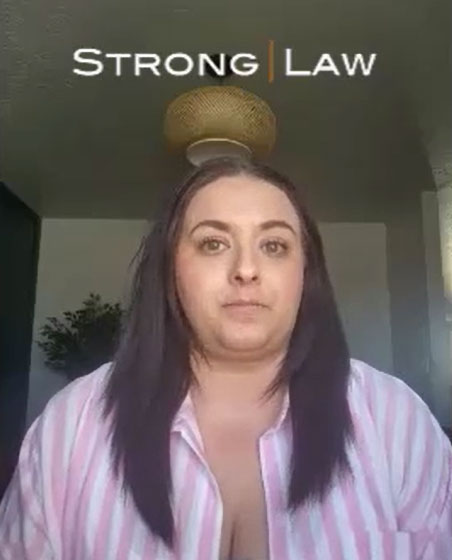


“Very professional, and treated me as an equal.”
"Just wanted to say thank you to Jed and his team at Strong Law. Not only was I happy with the outcome, but the entire process as a whole. I would definitely recommend this firm to anyone. Thanks again."
“Unbelievable work!”
"I had a claim involving my own insurance company. I tried to negotiate with them, and they completely denied my claim – two times. I then hired Strong Law, and the change was instant. The insurance company immediately began negotiating, and Jed was able to secure an unbelievably good settlement. I will never again attempt to take-on an insurance company without Strong Law in my corner. Thank you!"
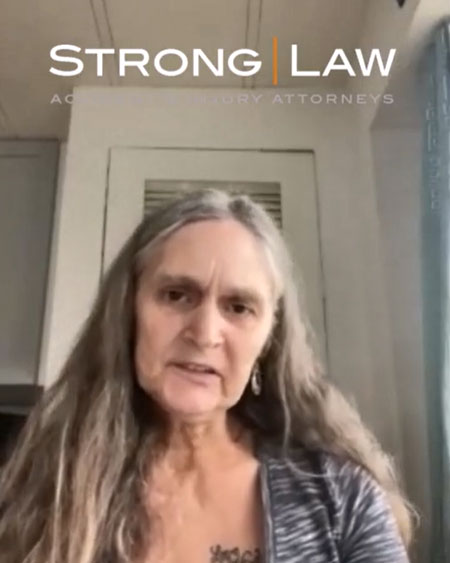
“I got justice and awesome compensation.”
"I hired Strong Law after my car accident. Jed and his team worked hard on my case. They were professional and compassionate through my surgery and as I recovered, and they were awesome on communication. I got justice and awesome compensation. I would recommend Strong Law to anyone in my situation."
Get Your Free
Case Review

Contact us
Our team is standing by to help you.