

Albuquerque Bicycle Accident Lawyer
Evidence-focused help for injured cyclists and their families.

An Albuquerque bicycle accident lawyer helps injured cyclists pursue compensation when a driver, unsafe road condition, or another party causes a crash. Strong Law Accident & Injury Attorneys investigates fault, preserves time-sensitive evidence, handles insurance disputes, and documents how the injuries have affected the rider’s life.
Bicycle claims can involve traffic laws, hit-and-run coverage, roadway maintenance, and efforts to blame the cyclist. Early action matters because video may be erased and the bicycle may contain physical evidence. If you were injured while riding in Albuquerque, call (505) 465-8341 for a Free Case Review.
These cases are handled within Strong Law’s broader Albuquerque personal injury practice.
What Should You Do After a Bicycle Crash in Albuquerque?
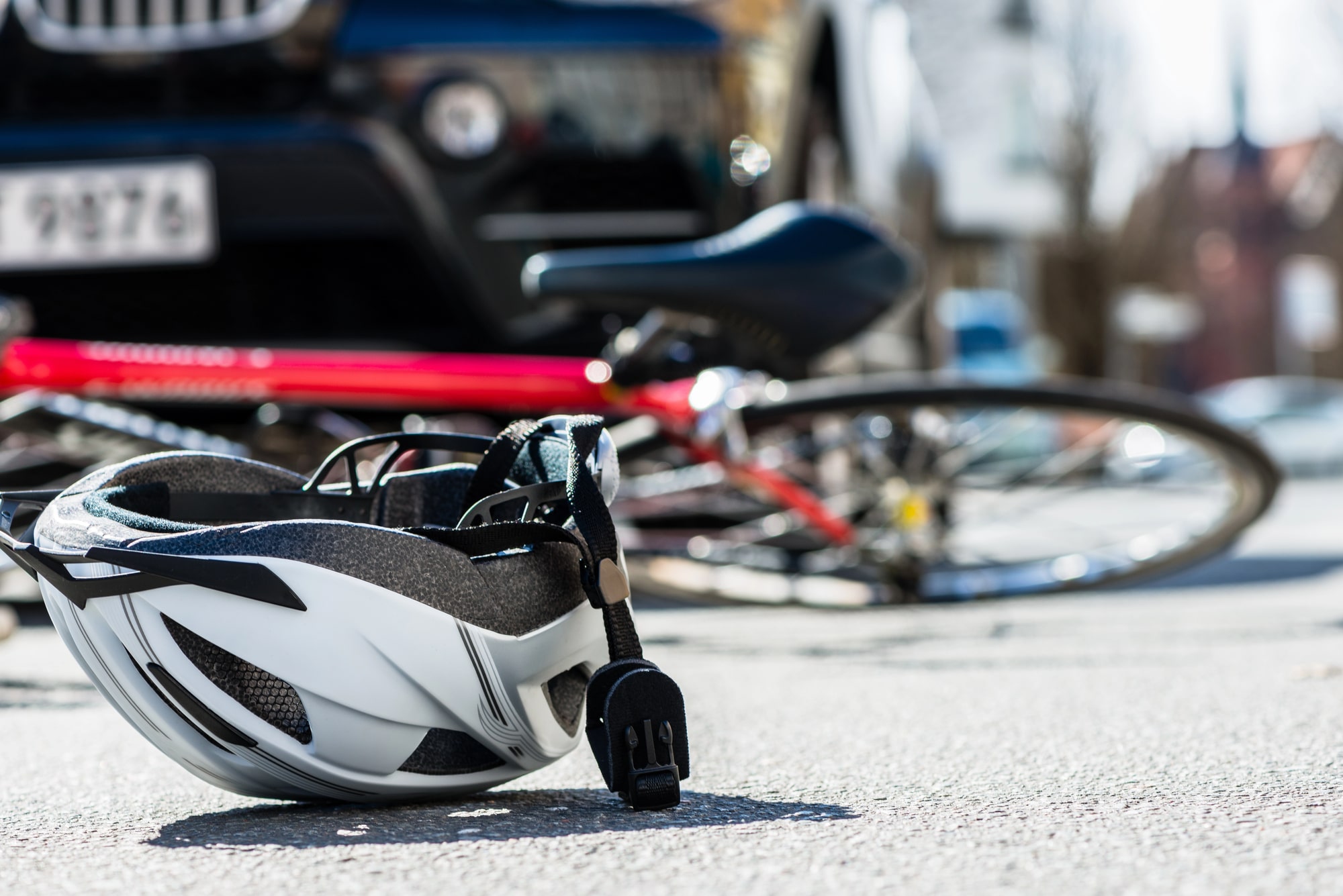
After a bicycle crash, get to safety, call 911 when injuries or danger require it, seek medical care, report the collision, and preserve the bicycle and scene evidence. Do not repair damaged equipment or give an insurer a recorded statement before the available proof and coverage have been reviewed.
If a driver leaves the scene, note any part of the plate number, the vehicle’s make, model, color, direction of travel, and visible damage. The Albuquerque Police Department says hit-and-run and motor-vehicle crashes cannot be reported through its general online reporting system. For a non-emergency, APD directs people to call 505-242-COPS.
If you can do so safely:
- Photograph the bicycle, vehicle, road, bike lane, signs, signals, debris, skid marks, and your injuries.
- Get the driver’s name, contact details, license plate, insurer, and policy information.
- Ask witnesses for their names and contact information.
- Save the police report number and the names of responding officers.
- Keep the bicycle, helmet, lights, clothing, shoes, and damaged electronics in their post-crash condition.
- Save GPS, cycling-app, fitness-tracker, action-camera, and phone data.
- Keep medical papers, bills, work-loss records, receipts, and insurer messages.
- Write down what happened while the details are fresh.
Seek medical care even if you were able to leave the scene. A concussion, fracture, internal injury, or soft-tissue injury may not be clear at first. Whether you go to UNM Hospital, Presbyterian Hospital, Lovelace Medical Center, an urgent-care clinic, or another provider, describe when and how the crash happened and report every symptom.
How Do New Mexico Bicycle Laws Affect a Claim?
Section 66-3-702 NMSA 1978 generally gives a person riding on a roadway the rights and duties that apply to a vehicle driver, subject to bicycle-specific rules.
New Mexico changed its bicycle-intersection rules effective July 1, 2025. Under the final version of Senate Bill 73, a cyclist approaching a red traffic signal must stop. After stopping, the cyclist may proceed before the signal turns green if no pedestrian, bicycle, or vehicle with the right of way is approaching.
At a stop sign or yield sign, a cyclist may proceed without stopping when no right-of-way traffic is approaching. The cyclist must stop when safety requires it. The law does not create an unlimited right of way.
New Mexico also says a cyclist on a roadway should ride as near to the right side as practicable while using care around standing or moving vehicles. Section 66-3-705 does not say that the far-right position is required in every situation. Road conditions, parked cars, turning, debris, and other safety facts may matter.
An alleged traffic or equipment violation does not automatically decide a civil claim. The evidence must still show what caused the crash and whether the claimed violation contributed to the injuries.
What Commonly Causes Albuquerque Bicycle Crashes?
Most bicycle claims turn on how the driver, cyclist, roadway, and traffic controls interacted. Albuquerque has on-street bikeways and off-street multi-use trails throughout the metro area. The City’s current Bikeways and Trails map can help identify the type of facility at a crash location.
Common crash scenarios include:
- A driver failing to yield while turning left or right.
- A vehicle entering from a driveway, alley, parking lot, or side street.
- Unsafe passing, lane changes, speeding, distraction, or impaired driving.
- A driver or passenger opening a door into a cyclist’s path.
- A vehicle blocking or crossing a bike lane.
- A collision at a trail crossing, crosswalk, or signal-controlled intersection.
- Poor visibility, missing warnings, construction, debris, potholes, or unsafe pavement.
- A commercial, delivery, rideshare, or government vehicle striking a rider.
The City of Albuquerque uses a High Fatal and Injury Network to identify roads with recurring fatal and serious-injury crashes. When a bicycle collision happens on one of those corridors, lane design, signal timing, lighting, maintenance, construction, and prior-crash records may become important evidence.
The location alone does not establish fault. Signal timing, sight distance, lane markings, lighting, vehicle movement, and each person’s opportunity to avoid the crash may all matter.

Contents
What Evidence Can Prove Driver Fault?
The strongest evidence often combines independent records with physical proof from the scene. Useful evidence may include:
- The police crash report, 911 recordings, officer video, and citations.
- Traffic-camera, business-camera, doorbell-camera, or vehicle video.
- Scene photographs, measurements, signal information, and road-condition records.
- Witness accounts and statements made by the driver or passengers.
- Vehicle damage, electronic data, phone records, and repair information.
- The bicycle, helmet, clothing, lights, and other damaged equipment.
- GPS, cycling-computer, fitness-app, and action-camera data.
- Medical records connecting the collision to the injuries.
APD provides instructions for obtaining a traffic accident report. A report is useful, but it is not the final decision on legal fault.
Strong Law can send preservation letters requesting video and records before they disappear. When needed, the investigation may also include public-record requests, site inspection, witness interviews, and expert review.
If you need help protecting evidence or responding to an insurer, call (505) 465-8341 for a Free Case Review.
What If the Driver Fled or Had Too Little Insurance?
A hit-and-run does not always prevent recovery. Investigators may use witness descriptions, nearby video, plate fragments, vehicle debris, repair records, and digital evidence to identify the driver. Report the crash promptly so law enforcement and insurers can begin their own reviews.
Uninsured or underinsured motorist coverage may provide another source of compensation. A cyclist may qualify as an insured under an individual or household automobile policy even though the person was not inside a car. Coverage is not automatic. It depends on the policy language, insured status, available limits, and whether coverage was validly rejected.
Section 66-5-301 NMSA 1978 addresses uninsured and underinsured motorist coverage and permits a named insured to reject it. All potentially relevant policies should be reviewed before a release is signed. These coverage questions can overlap with those handled in an Albuquerque car accident claim.
Who May Be Responsible Besides the Driver?
Other people or organizations may share responsibility. Depending on what happened, a claim may also involve:
- An employer whose worker was driving on the job.
- A vehicle owner who allowed someone unfit or unsafe to use the vehicle, or who is responsible under another legal rule.
- A passenger who opened a door into the cyclist’s path.
- A contractor that created an unsafe work zone or left debris in the roadway.
- A business that controlled a dangerous driveway, parking area, or exit.
- A manufacturer or repair shop if a defect in the vehicle, bicycle, or part helped cause the crash.
- A public agency that failed to maintain a road or traffic signal, if New Mexico law allows the claim.
Claims against a government agency follow different rules. The New Mexico Tort Claims Act limits when a person may bring a claim against a public agency. It also sets special notice and filing deadlines. A pothole, signal problem, or road defect does not automatically make the agency responsible.
What If the Insurance Company Blames the Cyclist?
New Mexico uses pure comparative fault. A cyclist who shares some blame may still recover compensation, but the amount is reduced by the cyclist’s percentage of fault. When more than one defendant is at fault, New Mexico’s several-liability statute usually makes each defendant pay only that party’s share of the damages.
An insurer may say the cyclist was outside a bike lane, too far from the curb, or hard to see. It may also claim the cyclist was moving too fast, using a phone, or entering against a signal or sign. It may point to bicycle lighting or other equipment rules. After a head injury, it may focus on helmet use.
Those claims should be compared with the full evidence. Why the cyclist used a certain lane position matters. Not wearing a helmet does not explain why the crash happened, though it may affect an argument about a specific head injury. A traffic ticket may be relevant, but it does not decide civil fault. Video, witnesses, road conditions, vehicle movement, and medical opinions can change the result.

What Injuries and Compensation Can a Bicycle Claim Involve?
A bicycle crash can cause a concussion, traumatic brain injury, fractures, spinal injury, internal injuries, torn ligaments, facial or dental trauma, nerve damage, scarring, and road rash. Serious injuries may affect work, sleep, mobility, family duties, and the ability to ride or enjoy other activities.
A claim may seek compensation for losses caused by the crash, including:
- Emergency care, surgery, hospital treatment, and follow-up visits.
- Medication, physical therapy, rehabilitation, and future medical care.
- Lost income and reduced future earning ability.
- Pain, emotional distress, disfigurement, and reduced quality of life.
- Permanent impairment, mobility equipment, or help with daily tasks.
- Repair or replacement of the bicycle, helmet, electronics, clothing, and other property.
Medical bills alone do not show the full loss. Provider opinions, work records, photographs, family observations, and a record of missed activities may help explain the long-term effect.
A lasting head injury may require the added review described on our Albuquerque brain injury lawyer page. Permanent limits may support an Albuquerque catastrophic injury claim. If the rider dies, the family may need help from an Albuquerque wrongful death lawyer.
How Long Do You Have to File a Bicycle Accident Claim?
Section 37-1-8 NMSA 1978 generally allows three years to file a New Mexico personal-injury lawsuit. The deadline may be different based on who caused the crash and the type of claim.
Much shorter deadlines may apply when a crash involves the City of Albuquerque, the State, or another public body. Section 41-4-16 generally requires written notice within 90 days for claims under the New Mexico Tort Claims Act. A separate two-year filing deadline may also apply.
Do not wait for the filing deadline. Video, damaged road conditions, witness memory, and vehicle evidence can disappear much sooner.
How Does Strong Law Handle Albuquerque Bicycle Claims?
Strong Law starts by identifying every possible source of fault and insurance. The investigation may include:
- Preserving video, the bicycle, electronic data, and vehicle evidence.
- Reviewing the crash report, scene, traffic rules, and roadway control.
- Identifying driver, employer, contractor, property, product, and public-body responsibility.
- Reviewing liability, UM/UIM, and other available coverage.
- Documenting medical care, income loss, future needs, and daily limitations.
- Negotiating from a prepared claim and filing suit when needed.
Before representing injured people, founding attorney Jed Strong worked as in-house counsel for GEICO. That experience helps the firm recognize how insurers evaluate fault, question treatment, request broad records, and push for early settlements.
Strong Law reports a 4.9-star Google rating and more than 2,000 successful cases across the firm. These figures are firmwide, not limited to Albuquerque or bicycle cases. Every result depends on its own facts.
Strong Law offers Free Case Reviews and handles qualifying injury claims on a contingency-fee basis. There are no upfront or hourly attorney fees. The written agreement explains the fee and case costs. Attorney fees are not owed unless compensation is recovered.
Frequently Asked Questions
Can I have a claim if I was riding outside a bike lane?
Possibly. Riding outside a bike lane does not automatically decide fault. The reason for your lane position, nearby parked cars, debris, turns, road design, and the driver’s conduct may all matter.
What if a parked driver or passenger opened a car door into me?
A driver or passenger may be responsible for opening a door into a cyclist’s path. Photos of the door and bicycle, witness accounts, nearby video, and the exact position of the vehicle can help prove what happened.
Can I recover if I was partly at fault?
Possibly. New Mexico’s comparative-fault rule generally reduces compensation by the percentage of fault assigned to the injured person. It does not make an insurer’s blame allegation final.
What if the driver left the scene?
Report the hit-and-run promptly and preserve any description, plate information, video, witness details, and vehicle debris. The driver may be identified, and UM coverage may apply depending on the available policies and your insured status.
Can automobile UM/UIM coverage apply while I am bicycling?
It can in some cases. Coverage depends on the policy language, whether you qualify as an insured, the available limits, and any rejection of UM/UIM coverage. All individual and household policies should be reviewed.
Should I repair or discard my bicycle and helmet?
No. Keep the bicycle, helmet, clothing, lights, and electronics in their post-crash condition. Photograph them and store them safely because damage patterns may help explain the impact.
What if a pothole, signal, or roadway defect caused the crash?
A contractor, property owner, or public body may be involved, depending on who controlled the condition and whether the law permits the claim. Government notice may be required within 90 days, so prompt review is important.
How much is an Albuquerque bicycle accident claim worth?
There is no reliable average. Value depends on proof of fault, injury severity, medical care, future needs, lost income, lasting limits, property damage, shared fault, and available insurance.
Speak With an Albuquerque Bicycle Accident Lawyer
If a driver, unsafe road condition, or another party caused your bicycle crash, Strong Law can investigate fault, protect evidence, identify available insurance, and document the full effect of your injuries.
Our Albuquerque office is located at 500 Marquette Ave NW, Suite 1200 #7317, Albuquerque, NM 87102. Call (505) 465-8341 or contact Strong Law online for a Free Case Review.
Get Your Free Case Review

We’ve helped thousands of accident victims like you
we win
98%
4.9
stars
over
2,000


“Very professional, and treated me as an equal.”
"Just wanted to say thank you to Jed and his team at Strong Law. Not only was I happy with the outcome, but the entire process as a whole. I would definitely recommend this firm to anyone. Thanks again."
“Unbelievable work!”
"I had a claim involving my own insurance company. I tried to negotiate with them, and they completely denied my claim – two times. I then hired Strong Law, and the change was instant. The insurance company immediately began negotiating, and Jed was able to secure an unbelievably good settlement. I will never again attempt to take-on an insurance company without Strong Law in my corner. Thank you!"
“I got justice and awesome compensation.”
"I hired Strong Law after my car accident. Jed and his team worked hard on my case. They were professional and compassionate through my surgery and as I recovered, and they were awesome on communication. I got justice and awesome compensation. I would recommend Strong Law to anyone in my situation."
Contact us
Our team is standing by to help you.