

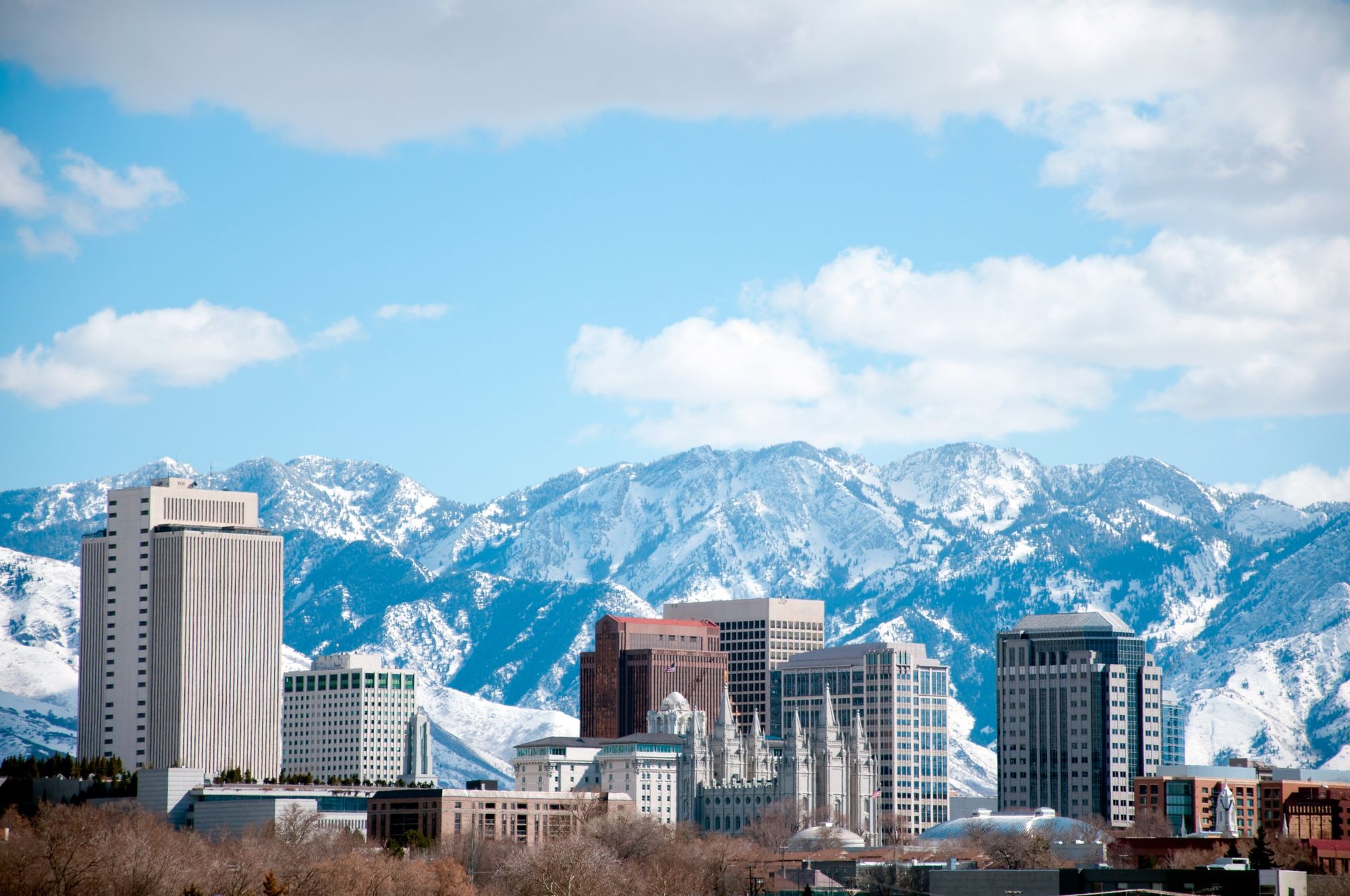
Salt Lake City Car Accident Lawyer for Injury Claims
Injured in a car accident in Salt Lake City? Our local car accident lawyers fight for your rights and pursue maximum compensation.

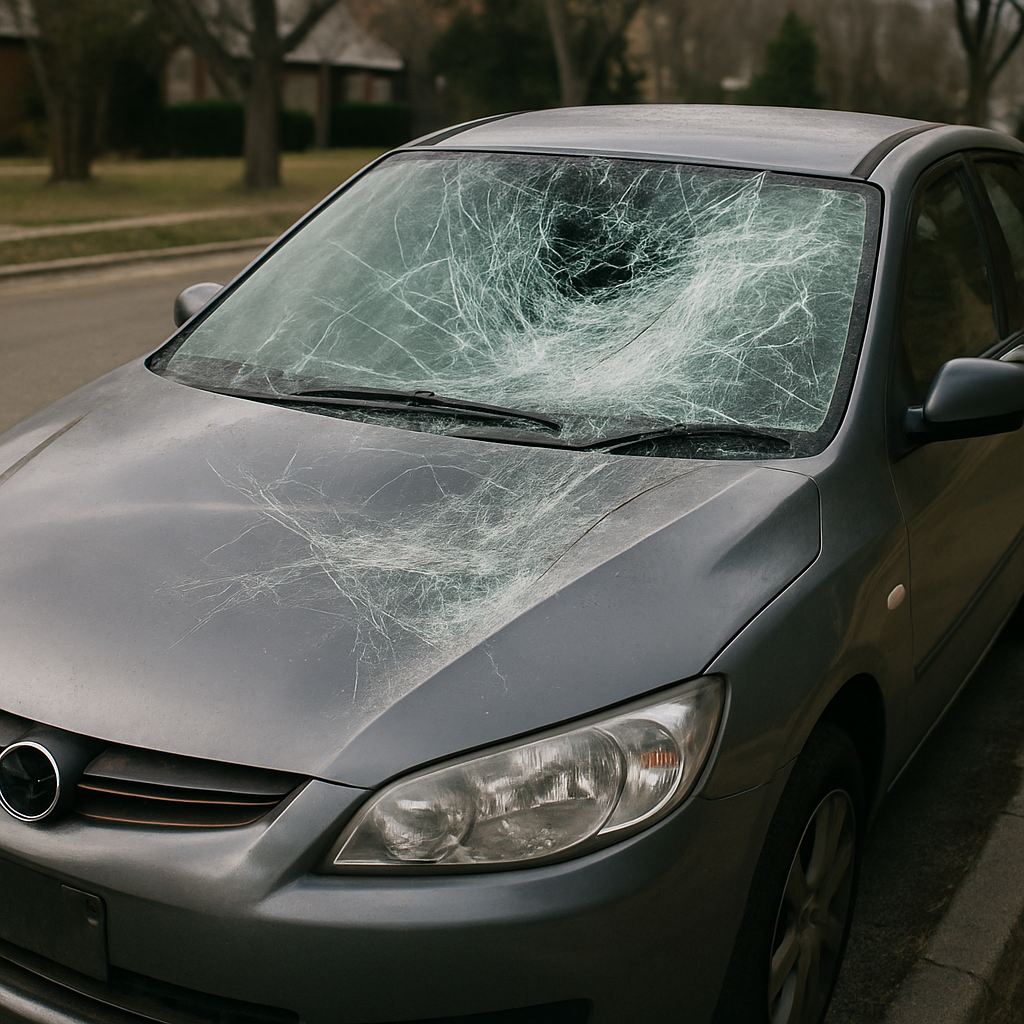
A Salt Lake City car accident lawyer helps injured crash victims deal with insurance companies, prove fault, and pursue compensation for medical bills, lost income, pain, and long-term harm. After a serious collision, you may be trying to get medical care, fix your vehicle, file a PIP claim, answer insurance questions, and figure out whether the settlement offer is fair.
Strong Law Accident & Injury Attorneys helps injured drivers, passengers, pedestrians, cyclists, motorcyclists, and families throughout Salt Lake City and Salt Lake County. Our Utah office is in nearby Midvale, and we serve clients across the Salt Lake metro area, including downtown Salt Lake City, Sugar House, Rose Park, Glendale, Liberty Wells, Ballpark, Poplar Grove, the Avenues, Capitol Hill, and surrounding communities.
If you were hurt in a crash in Salt Lake City, Strong Law can review your case for free. You do not pay attorney fees unless we recover compensation for you.
Do You Need a Lawyer After a Salt Lake City Car Accident?
You may need a lawyer after a Salt Lake City car accident if you were injured, needed medical care, missed work, or the insurance company is blaming you. You should also get legal advice if the crash involved a commercial vehicle, disputed fault, a pedestrian or cyclist, a serious head or back injury, or pressure to accept a quick settlement.
Not every minor fender bender needs an attorney. But if the crash caused more than vehicle damage, it is smart to understand your rights before giving a recorded statement or signing a release.
You should consider calling a lawyer if:
- You went to the emergency room, urgent care, or a specialist
- You have neck, back, head, spine, shoulder, knee, or nerve pain
- You missed work or may not be able to return to the same job
- The other driver denies fault
- The insurance company wants a recorded statement
- Your medical bills are rising
- You were hit by a truck, rideshare driver, delivery driver, or company vehicle
- You were walking, biking, or riding a motorcycle when hit
- A loved one was seriously injured or killed
Car accident claims can move fast. Vehicles get repaired. Dashcam footage disappears. Witnesses forget details. Insurance adjusters may call before you know how badly you are hurt. Strong Law works to preserve evidence and protect your claim early.
What Makes Car Accidents in Salt Lake City Different?
Salt Lake City has crash risks tied to commuter traffic, winter storms, road construction, TRAX corridors, downtown intersections, canyon access roads, and fast-growing neighborhoods. A crash on I-15 may need different evidence than a collision on State Street, Foothill Drive, or 700 East.
Crashes in Salt Lake City often happen on or near I-15, I-80, I-215, SR-201, Bangerter Highway, Redwood Road, State Street, Foothill Drive, 700 East, 900 South, and busy downtown intersections. Winter weather can add ice, poor visibility, longer stopping distances, and chain-reaction crashes. In areas like Sugar House, the Avenues, Ballpark, Rose Park, Glendale, and downtown, drivers also share the road with pedestrians, cyclists, scooters, buses, and TRAX traffic.
The Utah Highway Safety Office publishes Utah crash data and statistics showing how traffic crashes, injuries, and fatalities affect people across the state. Strong Law’s five-year Salt Lake County fatal-crash analysis found that 305 of 366 fatal crashes, or 83.3%, occurred outside the Interstate functional class. Those numbers matter, but your case still comes down to the facts of your crash: where it happened, who caused it, what evidence exists, and how the injuries changed your life.
What Types of Car Accident Cases Does Strong Law Handle?
Strong Law handles Salt Lake City car accident claims involving injured drivers, passengers, pedestrians, cyclists, and families. Some crashes involve a simple rear-end collision. Others involve several vehicles, commercial insurance, severe injuries, disputed fault, or a fatal crash.
We help with crashes involving rear-end collisions, intersection accidents, left-turn crashes, distracted driving, drunk or impaired driving, speeding, unsafe lane changes, red-light crashes, hit-and-run collisions, uninsured drivers, rideshare vehicles, delivery vehicles, and crashes caused by poor road or weather conditions.
If a crash involved an 18-wheeler, delivery truck, construction vehicle, or company driver, the case may need help from a Salt Lake City truck accident lawyer. Those claims can involve driver logs, maintenance records, company policies, cargo issues, and commercial insurance coverage.
If you were hit while walking, biking, or riding a motorcycle, your case may involve a higher risk of serious injury because you had less protection than someone inside a vehicle. Strong Law also helps people injured in Salt Lake City pedestrian accidents, bicycle crashes, and motorcycle accidents.
Severe crashes may also lead to brain injury claims, catastrophic injury claims, or wrongful death claims. If you are still unsure what kind of claim you have, our Salt Lake City personal injury lawyer page explains the broader injury-claim process.

Contents
We’ve helped thousands of accident victims like you
we win
98%
4.9
stars
over
2,000


“Very professional, and treated me as an equal.”
"Just wanted to say thank you to Jed and his team at Strong Law. Not only was I happy with the outcome, but the entire process as a whole. I would definitely recommend this firm to anyone. Thanks again."
“Unbelievable work!”
"I had a claim involving my own insurance company. I tried to negotiate with them, and they completely denied my claim – two times. I then hired Strong Law, and the change was instant. The insurance company immediately began negotiating, and Jed was able to secure an unbelievably good settlement. I will never again attempt to take-on an insurance company without Strong Law in my corner. Thank you!"
“I got justice and awesome compensation.”
"I hired Strong Law after my car accident. Jed and his team worked hard on my case. They were professional and compassionate through my surgery and as I recovered, and they were awesome on communication. I got justice and awesome compensation. I would recommend Strong Law to anyone in my situation."
How Do Utah PIP and No-Fault Rules Affect a Car Accident Claim?
Utah is a no-fault state for many car accident claims. That means your own Personal Injury Protection coverage, often called PIP, may pay certain benefits first, no matter who caused the crash.
Utah Code § 31A-22-307 addresses personal injury protection coverages and benefits, including medical expenses. PIP can help with early medical bills and certain crash-related losses, but it does not always cover the full damage from a serious injury.
In many cases, injured people can only step outside the no-fault system and pursue certain claims against the at-fault driver if the injury meets Utah’s legal threshold. Utah Code § 31A-22-309 includes limitations and exceptions tied to PIP claims, including situations involving medical expenses over $3,000, permanent disability, permanent impairment, permanent disfigurement, or dismemberment.
In plain English: PIP may help at first, but a serious injury can still lead to a separate claim against the at-fault driver.
This matters because insurance companies may treat your case like a basic PIP claim even when your injuries are more serious. If your medical bills are rising, your symptoms are lasting, or you may need future treatment, it is important to understand whether your case goes beyond basic no-fault coverage.
Strong Law also has a guide explaining when you can sue after using Utah PIP benefits.
Watch: What is the auto accident process in Utah?
How Is Fault Decided After a Utah Car Accident?
Fault in a Utah car accident is based on evidence. The injured person usually needs to show that another driver or party failed to use reasonable care and that this failure caused the crash.
That evidence may include the police report, witness statements, dashcam footage, vehicle damage, traffic-signal timing, skid marks, photos, medical records, cell phone evidence, road conditions, and expert analysis. In some cases, fault may also involve an employer, trucking company, rideshare company, delivery company, vehicle owner, government entity, or road contractor. For help finding records, see our guide to getting a Utah crash report, photos, and video.
Utah uses comparative fault. Under Utah Code § 78B-5-818, fault can be assigned to more than one party. If the insurance company can place part of the blame on you, it may try to reduce the amount it pays.
Here is a simple example. If your damages are valued at $100,000 and you are found 20% at fault, your recovery may be reduced by 20%. That would leave $80,000. If the insurance company tries to push your share of fault too high, it can seriously threaten the value of your case.
Strong Law looks at the full picture, not just the insurance company’s version. A crash at 900 South and State Street may require different proof than a freeway crash on I-15 or a winter collision near Parleys Canyon. The goal is to show what really happened and stop the insurance company from shifting blame unfairly.
What Compensation Can You Recover After a Car Accident?
Compensation after a Salt Lake City car accident depends on the injury, available insurance, medical treatment, missed work, fault disputes, and how the crash affects your future.
A car accident claim may include compensation for:
- Emergency care, ambulance bills, hospital visits, surgery, imaging, therapy, and future medical treatment
- Lost wages, reduced earning ability, and missed work opportunities
- Pain and suffering, emotional distress, scarring, disability, and loss of enjoyment of life
- Vehicle damage, rental car costs, transportation costs, and other out-of-pocket losses
The insurance company may focus on the bills it can see right away. That can undervalue the claim. Neck injuries, back injuries, concussions, nerve pain, fractures, and surgical injuries may take time to fully understand.
Strong Law works to document both the immediate harm and the long-term impact. That includes how the crash affects your work, sleep, family life, mobility, driving comfort, hobbies, and future medical needs.
How Do Insurance Companies Try to Limit Car Accident Claims?
Insurance companies are not neutral. Their job is to control claim costs. Even your own insurer may question treatment, delay payment, or ask for more information than necessary.
Common insurance tactics include asking for a recorded statement, making a quick low offer, blaming you for the crash, arguing that treatment was unnecessary, claiming your pain was pre-existing, delaying the claim, or asking you to sign a broad medical release.
A fast settlement can be risky. If you accept before your treatment is complete, the settlement may not include future care, missed work, pain and suffering, or long-term symptoms. Once you sign a release, you usually cannot come back later for more money.
Strong Law handles insurance communication for you. We review coverage, organize medical proof, document wage loss, prepare settlement demands, and push back when the offer does not reflect the real damage.

What Should You Do After a Car Accident in Salt Lake City?
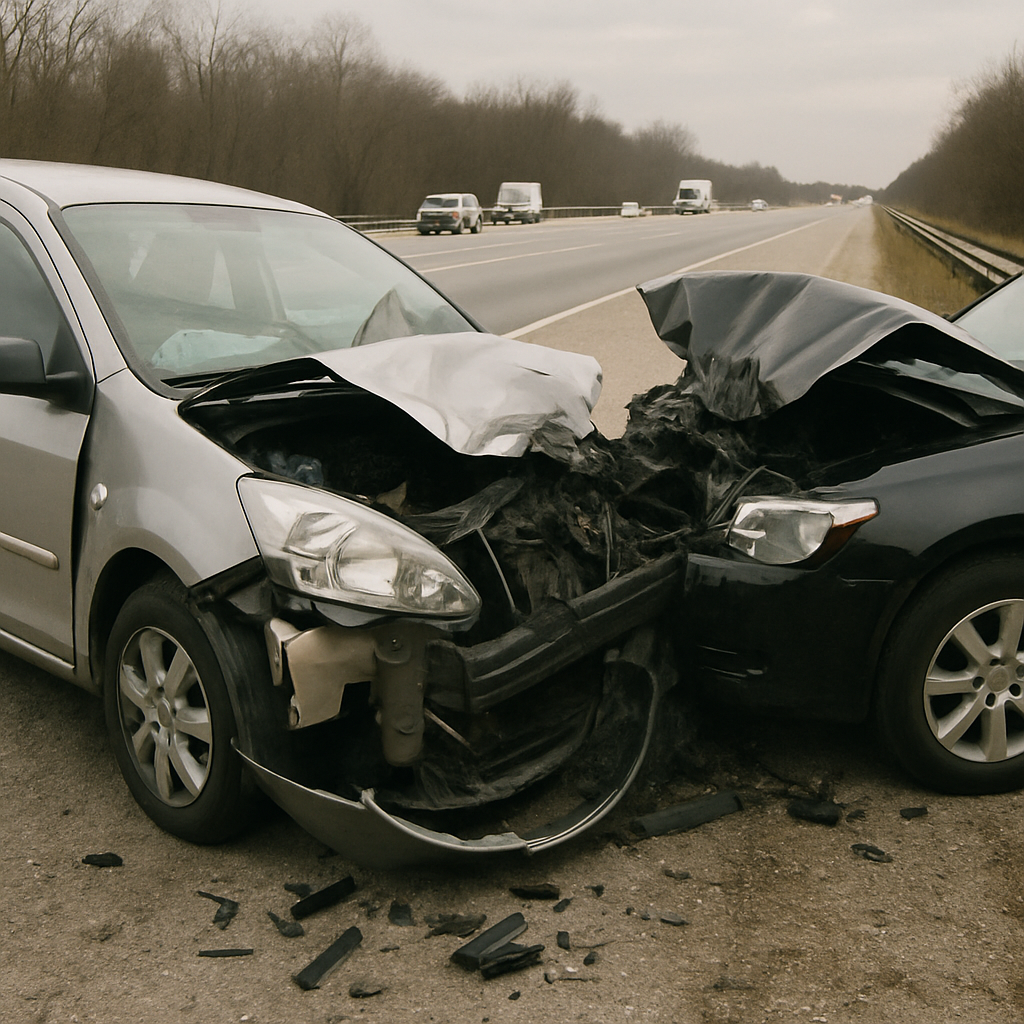
Your health comes first. If you are hurt, get medical care as soon as possible. Some injuries feel minor at first and get worse later. Prompt treatment also creates medical records that connect your injuries to the crash. That matters because insurance companies often argue that delayed treatment means the injury was not serious or was caused by something else.
Read why delaying medical care after a crash can create problems and which other common mistakes to avoid.
You should also report the crash when appropriate, exchange information, and document the scene if it is safe.
Useful evidence may include:
- Photos of all vehicles from multiple angles
- Close-up photos of vehicle damage and license plates
- Wide photos of the intersection, lanes, traffic lights, signs, skid marks, debris, and road layout
- Photos or video of weather, ice, snow, construction, potholes, or poor visibility
- Photos of visible injuries
- Witness names and phone numbers
- Insurance information and claim numbers
- The police report number
- Medical records, discharge papers, and bills
A short video walking around the scene can also help capture details that photos may miss. If the crash happened near a business, apartment complex, TRAX corridor, or busy intersection, nearby cameras may have recorded part of the crash. That footage can disappear quickly, so it should be requested early.
How Long Do You Have to File a Utah Car Accident Claim?
Many Utah injury lawsuits, including many car accident lawsuits, are generally subject to a four-year filing deadline under Utah Code § 78B-2-307. But not every case follows the same timeline.
Some claims have shorter deadlines or special notice rules. If the crash involved a city vehicle, county vehicle, public employee, public road condition, public bus, public property, or another government entity, Utah Code § 63G-7-402 may require a notice of claim within one year. Wrongful death claims also have different rules.
The safest move is to get legal advice early. Waiting can make it harder to preserve evidence, identify the right deadline, and protect the claim.
Why Choose Strong Law for a Salt Lake City Car Accident Case?
Strong Law focuses on serious injury claims. Our team understands how insurance companies evaluate crash cases, how they push back on medical treatment, and what evidence helps prove the full value of a claim.
Our Utah office in Midvale serves clients throughout Salt Lake City and Salt Lake County. That gives local clients access to a nearby Utah office while keeping the location information accurate and clear.
Strong Law has handled more than 2,000 successful cases across its offices, and our Midvale office has a 4.8-star Google rating from 162 reviews.
More importantly, we build the case around what actually happened. A rear-end crash in Rose Park, a freeway crash on I-15, a left-turn crash in Sugar House, and a pedestrian injury downtown do not all need the same proof. Each case needs a focused investigation and a clear damages story.
When Should You Call a Salt Lake City Car Accident Lawyer?
You should call a Salt Lake City car accident lawyer as soon as possible if the crash caused injuries, fault is disputed, treatment is ongoing, or the insurance company is pressuring you.
It is especially important to get help early if:
- You were taken to the hospital
- You may need surgery, injections, imaging, or specialist care
- You have head, neck, back, spine, nerve, shoulder, or knee pain
- You missed work or cannot return to the same job
- You were hit by a truck, rideshare driver, delivery driver, or company vehicle
- You were walking, biking, or riding a motorcycle
- The other driver was uninsured or underinsured
- A public vehicle or public road condition may be involved
- A loved one died from the crash
A free case review can help you understand whether you have a claim, what deadlines may apply, what evidence should be saved, and what steps to take next.
Frequently Asked Questions About Salt Lake City Car Accident Claims
Our car accident FAQ guide also covers immediate steps, hiring a lawyer, compensation, and shared fault.
What does a Salt Lake City car accident lawyer do?
A Salt Lake City car accident lawyer investigates the crash, gathers evidence, handles insurance communication, reviews PIP and liability coverage, calculates damages, negotiates settlement, and files a lawsuit when needed. The lawyer’s job is to protect the injured person and pursue fair compensation.
How much does a Salt Lake City car accident lawyer cost?
Strong Law handles car accident cases on a contingency fee basis. That means there are no upfront attorney fees or hourly bills. The attorney fee is a percentage of the compensation recovered, and the exact percentage is explained before you hire the firm. If compensation is not recovered, you do not pay attorney fees.
How does Utah PIP work after a car accident?
Utah PIP may pay certain benefits first, no matter who caused the crash. PIP can help with early medical bills and some crash-related losses. If the injury meets Utah’s legal threshold, the injured person may also be able to bring a claim against the at-fault driver for damages beyond basic PIP benefits.
Can I sue the at-fault driver after a Salt Lake City car accident?
You may be able to sue the at-fault driver if your injuries meet Utah’s threshold for claims outside the no-fault system. This may include medical expenses over $3,000, permanent disability, permanent impairment, permanent disfigurement, dismemberment, or other qualifying facts. A lawyer can review whether your case meets the standard.
How long do I have to file a car accident claim in Utah?
Many Utah car accident injury lawsuits are generally subject to a four-year deadline, but some cases have shorter deadlines or special notice rules. Government claims, wrongful death claims, and certain other claims may be different. Speak with a lawyer early so the correct deadline is identified.
What if I was partly at fault for the crash?
You may still have a claim, but your share of fault can affect compensation. Insurance companies often use comparative fault arguments to lower settlement value. Photos, reports, video, witness statements, vehicle damage, and medical records can help protect the claim.
What is my Salt Lake City car accident case worth?
Case value depends on the injury, medical bills, lost income, future treatment, pain and suffering, long-term impairment, available insurance, and fault disputes. A serious crash claim should not be valued before the full impact of the injury is known.
What happens during a free consultation?
During a free consultation, you can explain what happened, what injuries you have, what insurance has said, and what documents you have so far. Strong Law can review the basic facts, answer your questions, explain possible next steps, and help you understand whether legal representation makes sense.
Where is Strong Law’s Utah office for Salt Lake City clients?
Strong Law’s Utah office is in Midvale. From that office, we serve clients throughout Salt Lake City, Salt Lake County, and nearby Utah communities.
Speak With a Salt Lake City Car Accident Lawyer Today
If you were injured in a Salt Lake City car accident, Strong Law can help you understand your options. We can review what happened, explain the next steps, deal with the insurance company, and protect your claim.
Contact Strong Law Accident & Injury Attorneys for a free case review. You do not pay attorney fees unless we recover compensation for you.
Get Your Free
Case Review

Contact us
Our team is standing by to help you.