

Utah No-Fault PIP: When Can You Sue?

Utah is a no-fault car insurance state. After a crash, your own Personal Injury Protection coverage usually pays first for certain injury-related losses, no matter who caused the accident. That helps with early medical bills and other basic expenses. It does not mean you are always stuck inside the no-fault system.
Some crashes stay within PIP. Others do not. If your injuries are serious, your medical costs rise, or fault becomes disputed, you may have the right to pursue a larger claim. In that situation, it helps to understand how no-fault rules fit into a broader Salt Lake City car accident lawyer case.
What Utah no-fault insurance means
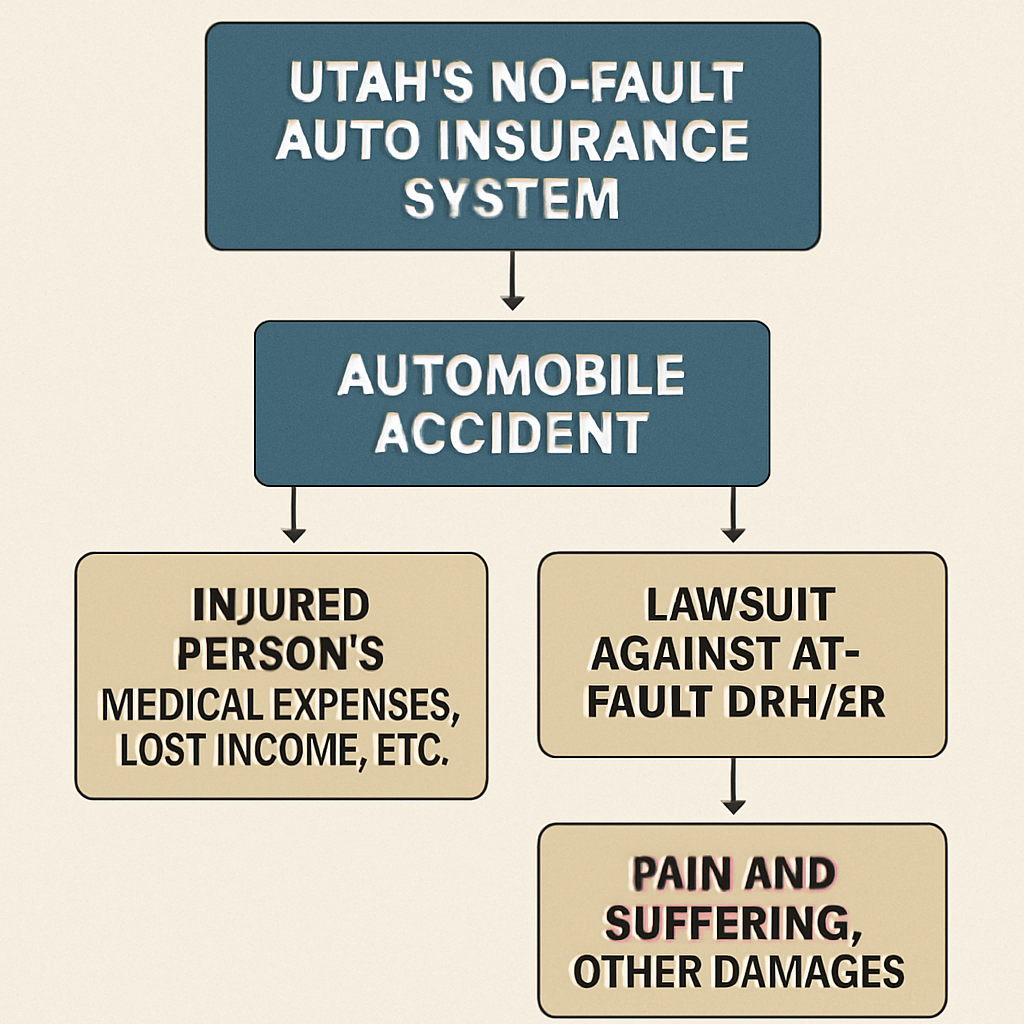
Utah uses no-fault insurance to get basic benefits to injured people faster. Instead of waiting for the insurance companies to fight over fault, your own PIP coverage pays first for certain losses tied to your injuries.
That system has a clear tradeoff. You get quicker access to limited benefits. In exchange, you cannot sue right away in every case.
A lot of drivers misunderstand the term no-fault. It does not mean fault never matters. It means fault does not control the first layer of injury benefits. Once a case involves serious harm, larger losses, or liability disputes, fault matters again.
What PIP covers in Utah
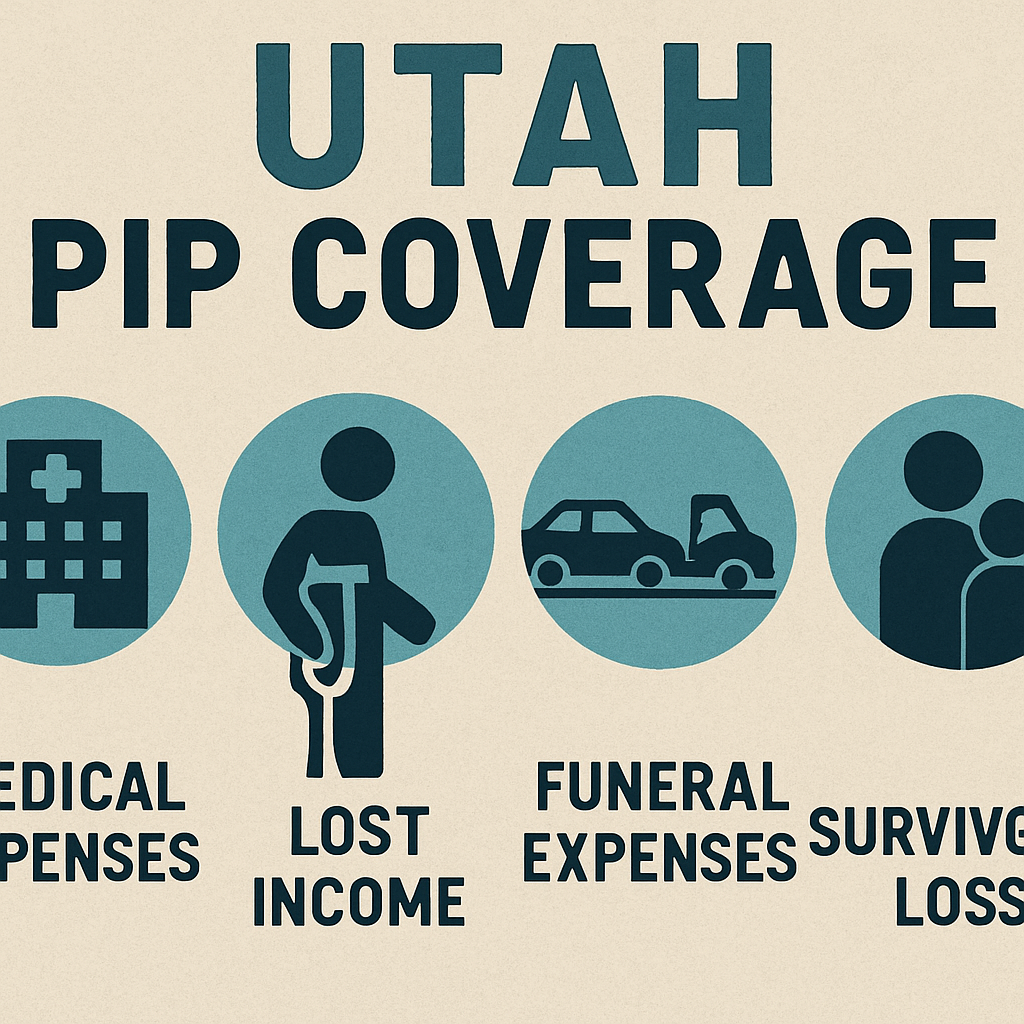
Utah requires PIP as part of auto insurance. It covers immediate injury-related costs after a crash. In many cases, it helps pay for:
- medical treatment related to the accident
- part of your lost wages
- certain replacement services
- funeral expenses in fatal cases
PIP gives injured people a first layer of financial help. That matters when treatment starts right away and bills start piling up before the larger claim gets sorted out.
What PIP does not cover
PIP helps with some injury-related losses, but it does not fix every problem after a serious wreck.
PIP usually does not cover:
- vehicle repairs
- full compensation for pain and suffering
- stand-alone emotional distress damages
- the full value of a major injury claim
That is where many drivers get frustrated. A crash may seem manageable at first. Then the bills grow, the treatment continues, and the limits of no-fault coverage become obvious.
How to file a PIP claim after a Utah car accident
Start the claim with your own insurer as soon as possible. Early notice makes it easier to connect your treatment, wage loss, and other expenses to the crash.
You should also keep your records organized from day one. Save your medical bills, discharge papers, treatment recommendations, proof of missed work, and all claim communications. Good records strengthen your claim and reduce avoidable disputes.
A few steps help:
- Report the crash to your insurer quickly.
- Save your medical records, bills, and wage-loss documents.
- Follow up with treatment and keep the paperwork current.
- Keep copies of all emails, letters, and claim notes.
Small mistakes can slow things down. Even when coverage applies, insurers still look closely at timing, documentation, and whether treatment ties back to the accident.
 When can you sue after a Utah car accident?
 When can you sue after a Utah car accident?
This is the key question.
Utah’s no-fault system does not block every lawsuit. You can step outside the no-fault system when your case crosses the legal threshold. In plain English, that means the crash caused losses or injuries serious enough to move beyond basic PIP handling.
You may be able to sue when:
- medical expenses go over the legal threshold
- the crash causes permanent disability or impairment
- the crash causes permanent disfigurement
- the accident results in death
Once that happens, the claim can move beyond basic no-fault benefits. At that point, you may seek damages for larger medical costs, lost earning capacity, pain and suffering, and other losses tied to the crash.
That is also where a more serious case may overlap with help from a Salt Lake City personal injury lawyer.
Why serious injury cases move beyond PIP
PIP was never meant to fully cover a major injury case. It helps with the first layer of expenses. It does not cover the full effect of a life-changing crash.
Take a brain injury, spinal injury, permanent impairment, or long-term pain. Those injuries can affect work, daily life, and future treatment for months or years. The same is true when someone needs surgery, rehabilitation, or ongoing care.
That is why the threshold matters. It separates smaller claims from cases that may require a full liability claim against the driver who caused the wreck.
Fault still matters in Utah
Fault matters again once a claim moves beyond PIP. Utah follows a comparative fault system. That means your compensation can drop if you share blame for the crash. If your share of fault is too high, your recovery may be reduced or blocked.
That is why these cases need careful review. A person may suffer serious injuries and still face disputes over speed, distraction, lane position, failure to yield, or other conduct that affects liability. Insurance companies know that fault arguments can reduce payouts. They often push those arguments harder once a case moves outside basic no-fault handling.
If your crash happened outside Salt Lake City, our Utah car accident lawyers can explain how PIP, fault, and injury thresholds may apply to your claim.
How long do you have to sue?
Timing matters. Do not let a serious car accident claim sit too long. Delay can make it harder to gather records, preserve evidence, and connect your losses to the crash.
PIP benefits do not stop the bigger legal clock from mattering. If your case may lead to a lawsuit, review it sooner rather than later.
When to talk to a lawyer
Not every Utah crash needs a lawyer. But you should get a second look if your injuries are serious, your bills keep rising, the insurer pushes back, or fault becomes disputed.
At that point, the issues often go far beyond basic medical bills. You may also face questions about future treatment, lost income, settlement pressure, recorded statements, comparative fault, and the real value of your claim.
If you are in that position, it may help to speak with a Salt Lake City car accident lawyer about what options you may have beyond no-fault coverage.
Frequently asked questions about Utah no-fault insurance
Is Utah a no-fault state?
Yes. Utah uses a no-fault system for the first layer of injury-related benefits after a car accident. In most cases, your own PIP coverage pays first for certain losses.
What does PIP cover in Utah?
PIP can cover certain medical expenses, part of your lost wages, replacement services, and some funeral expenses after a crash.
Does PIP cover pain and suffering?
No. PIP covers limited economic losses tied to injuries. Pain and suffering usually enters the case only after you move beyond no-fault.
Can you sue after a Utah car accident?
Yes, in some cases. If the crash meets the injury or expense threshold, you may be able to bring a claim against the at-fault driver.
Does PIP cover vehicle damage?
No. Property damage is handled under other parts of the insurance claim, not through PIP.
Final takeaway
Utah’s no-fault system gives injured drivers a first layer of help after a crash. It can pay for immediate medical costs and short-term losses. But it does not solve every problem. Serious injuries can push a case beyond what PIP was designed to handle.
That is why the line between basic no-fault benefits and a larger injury claim matters. If your case involves major medical bills, lasting injuries, disputed fault, or pressure from the insurer, you may have options beyond PIP. If you want to review what happened and whether your case may qualify, you can contact Strong Law.

See If Your Injury Claim May Qualify
Answer a few quick questions to help Strong Law understand what happened and whether your claim may qualify for a free review.
