
Midvale Catastrophic Injury Lawyer
A Midvale catastrophic injury lawyer can help document the care, income, and daily support needs that follow a life-changing injury. Strong Law offers a free review of your claim.

How can a Midvale catastrophic injury lawyer help?
A Midvale catastrophic injury lawyer reviews how a serious injury will affect your life now and in the years ahead. Strong Law Accident & Injury Attorneys helps injured people and families build a claim around the evidence of fault, medical needs, and financial loss.
Our Utah office is at 193 E Fort Union Boulevard, Midvale, UT 84047. Call 385-746-1803 or request a free consultation. You do not need a final prognosis to ask about preserving evidence and meeting deadlines.
What should families focus on first?
- Follow the medical team’s care and discharge instructions.
- Keep contact details for providers, witnesses, and insurers.
- Save incident reports, photos, bills, and work records.
- Record the help needed with daily tasks.
- Review any settlement release before signing it.
Our Midvale personal injury page explains the broader claim process. This page focuses on injuries that may require long-term support, substantial changes at home, or a different working future.
Which incidents do we review?
Serious harm can follow a collision on I-15, a crash near Fort Union Boulevard or State Street, a dangerous-property incident, or an equipment failure. The location helps identify records and witnesses; it does not prove fault. We investigate the specific event and each party’s role.
For more detail about the cause of an injury, see our Midvale car accident, truck accident, and slip and fall pages.

What makes an injury catastrophic?
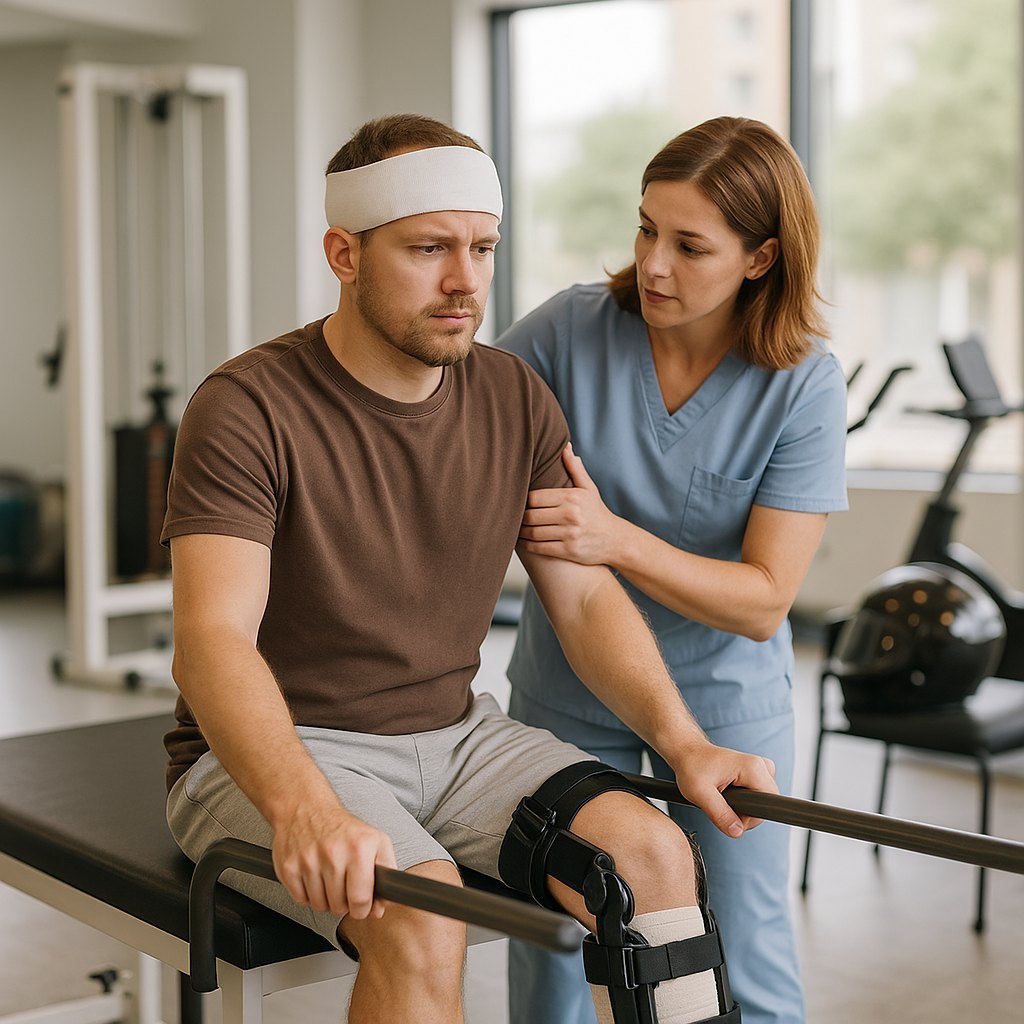
The term usually describes an injury with severe, lasting effects on health, independence, or the ability to work. It is not a promise of a particular recovery or a fixed settlement value. The legal claim must show the actual harm and connect it to conduct for which someone is legally responsible.
- Brain injuries: lasting changes in memory, thinking, behavior, or physical function.
- Spinal cord injuries: major changes in movement, sensation, or daily care needs.
- Amputations: loss of a limb and related rehabilitation, equipment, and support needs.
- Severe burns: substantial scarring, impaired function, or repeated procedures.
- Crush injuries and other major trauma: damage that creates lasting limits or complex care needs.
Recovery varies. A lawyer should not predict permanent disability from an early diagnosis alone. Treating clinicians assess the injury and guide care. The claim should be updated as the medical outlook becomes clearer.
Why does the injury type matter?
Different injuries call for different evidence. For a person with a brain injury, records may need to explain problems with judgment or work tasks. For someone who uses a wheelchair, the review may include access at home, transport, and help with personal care.
Our Midvale brain injury page discusses TBI records and symptoms. Our Midvale spinal cord injury page covers related mobility and care issues. Families facing a fatal injury can review our wrongful death guidance, because that claim involves different legal questions.

How do we document future care and support?
A sound future-care claim starts with medical evidence. It should explain which needs are likely, how often care may be required, and what each item may cost. A large total without a clear basis gives an insurer or opposing expert room to challenge the estimate.
What can a life-care plan address?
When appropriate, a qualified life-care planner can organize recommendations and cost information. The plan may address treatment, therapy, equipment, replacement schedules, and assistance. It should be tied to the medical outlook and the person’s circumstances.
- Follow-up visits, rehabilitation, and recommended procedures.
- Mobility devices, prosthetics, and other adaptive equipment.
- Necessary changes to a home or vehicle.
- Paid assistance and the level of supervision required.
- Transport to care and other supported recurring needs.
Not every claim needs every type of expert. We review what is known, what is disputed, and what added analysis would resolve. An expert plan supports a claim; it cannot guarantee that all projected costs will be recovered.
How should families record caregiving?
Keep a dated list of tasks, the time spent, and who provided help. Note changes as the person recovers. For example, distinguish driving to an appointment from hands-on help with bathing or transfers. Save receipts for paid services and equipment.
Family observations can explain daily life between appointments. They do not replace medical advice. Tell the care team about difficulties and ask which tasks require training or professional help. Your lawyer can review how documented assistance relates to the losses claimed.
How To Get Started
Step #1
Request a free consultation and tell us how the injury has changed daily life.
Step #2
We review the incident, medical records, insurance, and deadlines, then identify missing evidence.
Step #3
If we accept the case, the written agreement explains fees and expenses. We develop the claim and keep you informed.
What compensation may be available?
A catastrophic injury claim may include medical costs, lost income, reduced earning ability, and the personal effects of the injury. Each category needs support. The available recovery also depends on fault, applicable law, coverage, and the resources available to pay a judgment or settlement.
How is lost earning ability different from missed wages?
Missed wages concern income already lost. Reduced earning ability concerns the effect on future work. A person may return to employment yet still lose overtime, advancement, benefits, or access to work they could previously perform.
Useful records include job duties, pay history, tax records, training, and medical restrictions. A vocational expert may assess realistic work options. An economist may evaluate the financial effect. The analysis should account for supported facts rather than assume that every serious injury ends a career.
How are changes in daily life explained?
Medical charts may not fully describe pain, loss of independence, or the effort required for ordinary activities. Specific examples help show the effect on sleep, family routines, hobbies, and social life. Keep factual notes that include progress as well as ongoing limits.
A spouse may have a separate claim in some circumstances. That requires its own legal review; a family relationship does not automatically create a right to payment. We explain which losses belong to which claim and avoid counting the same loss twice.
Is there an average catastrophic injury settlement?
An average is not a reliable measure of your case. Injuries with the same name can create very different needs. A useful evaluation explains the evidence, future risks, disputed issues, and limits on collection. We do not promise a dollar amount before that review.
How do insurance, fault, and settlement fit together?
We investigate responsibility and insurance alongside the medical evidence. A severe injury does not remove the need to prove fault. Photos, witness accounts, available video, inspection records, and other documents may help explain what happened.
What if more than one party contributed?
A claim may involve a driver, business, property owner, product maker, or another party, depending on the facts. We review each legal duty and the available evidence. In a work-related incident, workers’ compensation and a possible claim against another party require separate analysis.
Under Utah’s comparative fault law, your fault must be less than the combined fault of the other responsible parties to recover. Your share reduces an award. Do not assume an insurer’s first allocation of fault is the final answer.
What should you review before accepting an offer?
- Whether the medical outlook and future needs are reasonably understood.
- Which people, companies, and claims the release covers.
- Available policy limits and any other possible coverage.
- Medical liens or benefit repayment claims.
- Attorney fees, case expenses, and the amount remaining for you.
A final release may end the right to seek more payment for the same injury. Large settlements can also raise benefit-eligibility or planning questions. We can identify when advice from an appropriate specialist is needed before funds are distributed.
You decide whether to accept a settlement after the terms are explained. If a fair resolution cannot be reached, we discuss litigation, costs, and risks. No outcome or timetable is guaranteed.
When should you speak with a catastrophic injury lawyer in Midvale?
Contact a lawyer promptly to review evidence and deadlines, even if recovery will take a long time. Many Utah negligence injury lawsuits have a four-year filing period under section 78B-2-307. Different defendants or claim types can change that period.
Government claims may require earlier notice. Medical-malpractice and wrongful-death claims have different rules. A child’s age or an injured adult’s capacity may raise additional issues. Do not assume treatment, incapacity, or insurance talks automatically extend the deadline. The Utah courts’ deadline guide explains why a claim-specific review matters.
How does Strong Law support the family?
We explain what information is needed and the next decision in the case. Tell us about mobility, fatigue, communication, or scheduling needs. We can discuss how an authorized family member can assist while protecting the injured person’s privacy and decision-making rights.
Bring the records you already have. A short timeline, provider list, insurer letters, and work information are useful starting points. Do not delay asking for advice because a file is incomplete.
Call 385-746-1803 for a free consultation. We serve Midvale and Salt Lake County from our Midvale office. You can also read our Salt Lake City catastrophic injury page and Utah catastrophic injury overview.
We’ve helped thousands of accident victims like you
we win
98%
4.9
stars
over
2,000
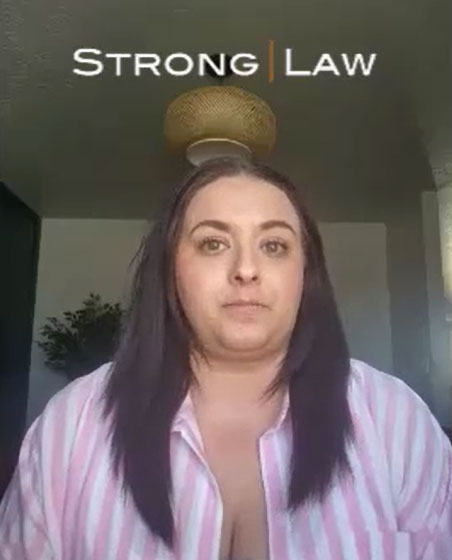


“Very professional, and treated me as an equal.”
"Just wanted to say thank you to Jed and his team at Strong Law. Not only was I happy with the outcome, but the entire process as a whole. I would definitely recommend this firm to anyone. Thanks again."
“Unbelievable work!”
"I had a claim involving my own insurance company. I tried to negotiate with them, and they completely denied my claim – two times. I then hired Strong Law, and the change was instant. The insurance company immediately began negotiating, and Jed was able to secure an unbelievably good settlement. I will never again attempt to take-on an insurance company without Strong Law in my corner. Thank you!"
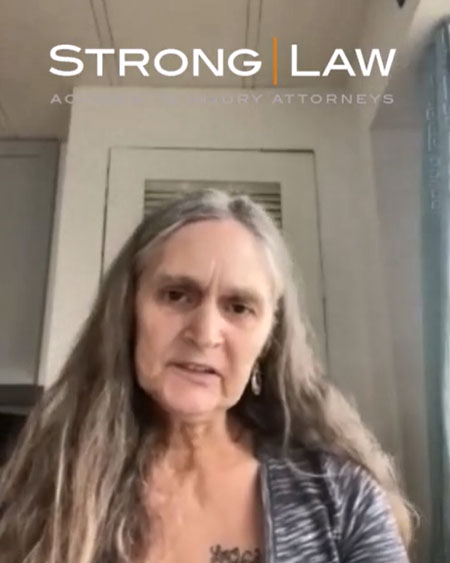
“I got justice and awesome compensation.”
"I hired Strong Law after my car accident. Jed and his team worked hard on my case. They were professional and compassionate through my surgery and as I recovered, and they were awesome on communication. I got justice and awesome compensation. I would recommend Strong Law to anyone in my situation."
Get Your Free
Case Review

Midvale catastrophic injury questions
Do I need a permanent diagnosis before calling a lawyer?
No. You can ask about evidence, insurance, and deadlines while medical care continues. The claim can be developed as providers clarify the outlook and future needs.
Can I claim future care costs if I am still in treatment?
Potential future costs can be reviewed while treatment continues. The claim needs medical support and a reasonable basis for the type, frequency, and cost of care. An early estimate may need revision.
What if I can return to work in a different role?
A return to work does not automatically remove a claim for lost earning ability. We review your restrictions, pay, benefits, job options, and the evidence of any lasting financial loss.
Can a family member make legal decisions for me?
A family member can help gather records and request a consultation. Making decisions or receiving private information may require your consent or other legal authority. We review that before treating someone as your representative.
What does a Midvale catastrophic injury attorney cost?
Strong Law offers a free consultation and handles injury cases on a contingency fee basis. Attorney fees depend on a recovery. The written agreement explains the fee and how case expenses are handled.
Where is your Utah office?
Our Utah office is at 193 E Fort Union Boulevard, Midvale, UT 84047. Call 385-746-1803 to arrange a consultation and discuss any access or communication needs.
Contact Strong Law for a free review of your catastrophic injury claim.
Contact us
Our team is standing by to help you.