Provo Brain Injury Lawyer for Lasting Injury Claims
A brain injury can change daily life, work, and family routines. Strong Law helps Provo and Utah County clients understand their options and pursue injury claims. Start with a free consultation.

What should you know about a brain injury claim?
- Get medical care first. A normal scan does not rule out a concussion.
- Save accident evidence, treatment records, and proof of missed work.
- A claim can address current losses and future needs supported by medical evidence.
- Fault, insurance, and filing deadlines depend on the case.
- Strong Law serves Provo from its Midvale office. The consultation is free.
How can a Provo brain injury lawyer help?
A Provo brain injury lawyer can investigate what happened and gather medical evidence. We seek payment for the harm the injury caused. A claim may address treatment costs, lost income, future care, and changes in daily life. The right approach depends on the facts and the person’s recovery.
Strong Law Accident & Injury Attorneys serves Provo and Utah County from our Utah office in Midvale. We handle the legal and insurance questions so you can focus on medical care. You can ask us about your options before deciding whether to hire a lawyer.
Call 385-746-1803 or request a free case review. Our Provo personal injury team can review both the accident and its lasting effects.
Which accidents may cause a brain injury claim?
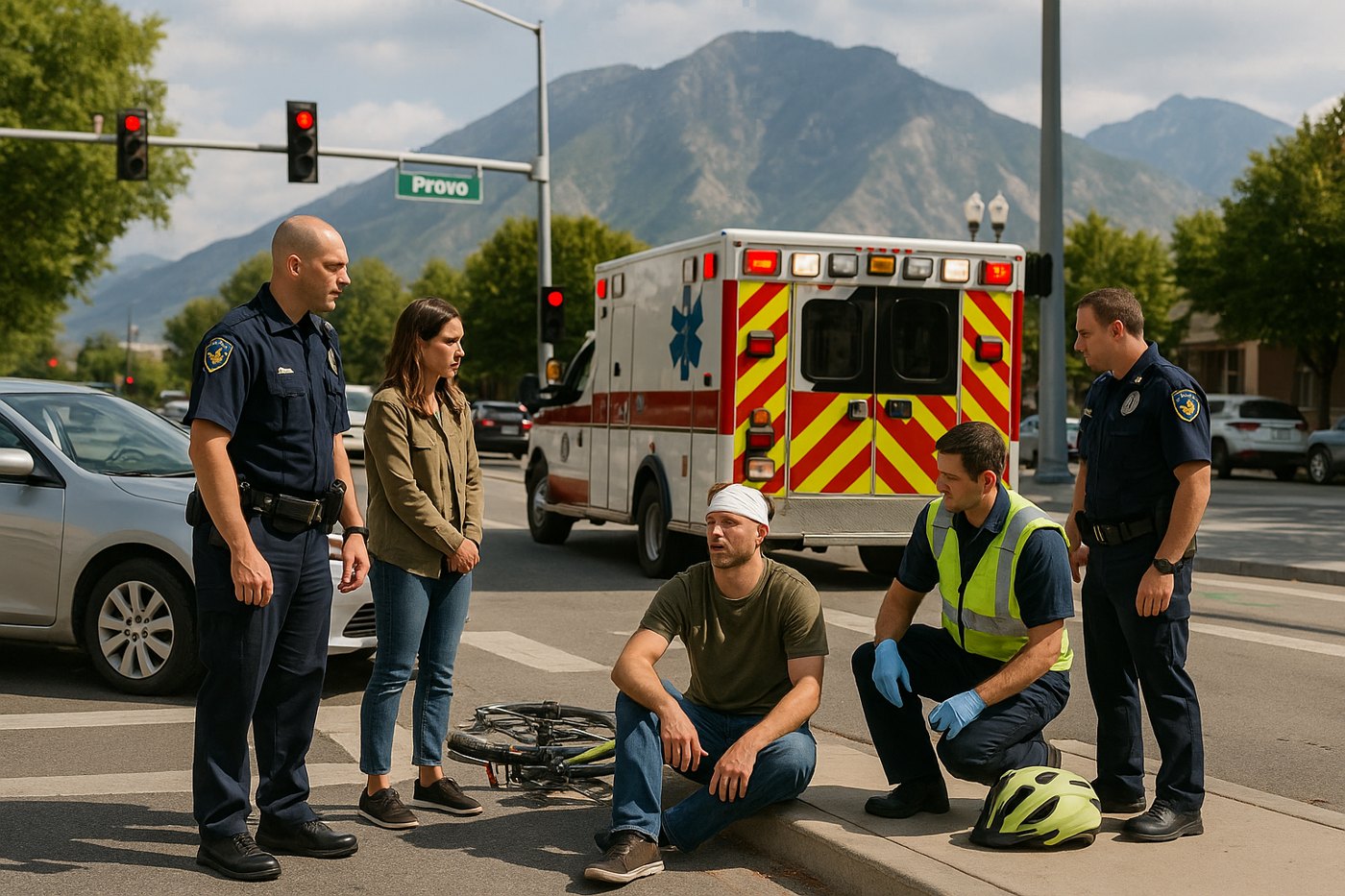
A traumatic brain injury, or TBI, can follow a blow to the head or a sudden force that moves the brain. Claims may arise from car crashes, truck collisions, falls, or other events involving negligence.
We also review head injuries from motorcycle crashes, bicycle accidents, and pedestrian collisions. The cause helps identify the evidence and insurance that may matter.

Contents
What should you do after a head injury?
Get medical attention promptly. A concussion is a type of brain injury, and symptoms may appear hours or days after an accident. Tell the clinician how the injury happened and describe any changes in memory, balance, mood, or sleep.
Call 911 or seek emergency care for danger signs. These include repeated vomiting, a worsening headache, seizures, increasing confusion, or trouble waking up. The CDC explains concussion symptoms and emergency warning signs. A lawyer cannot diagnose an injury or replace medical care.
Does a normal scan rule out a concussion?
No. A concussion may be diagnosed from symptoms and a clinical examination. A brain scan is not always needed to identify a mild TBI. Clinicians may use imaging when they are concerned about bleeding or another serious injury, as the CDC’s mild TBI guidance explains.
Follow the treatment plan and report new or worsening symptoms. Ask your provider when it is safe to return to driving, work, school, sports, or other activities. Keep copies of visit summaries and any written activity limits.
What records should you keep?
- Emergency room records, follow-up notes, referrals, and therapy plans.
- Bills, prescriptions, travel receipts, and other injury-related expenses.
- Pay records, missed shifts, and written work restrictions.
- Photos, incident reports, witness contacts, and insurance letters.
- A brief record of symptoms and tasks that have become difficult.
A family member may notice changes that the injured person misses. Specific examples, such as needing help with appointments or forgetting familiar instructions, can be useful. Keep these observations accurate and dated. Do not coach anyone’s account of the accident.
How do you show who caused the injury?
A negligence claim asks whether someone failed to use the required care and caused harm. Evidence must connect that failure to the injury. The injury alone does not prove fault. We review what happened and how the available records connect the accident to the brain injury.
A crash on I-15 or University Avenue may leave several kinds of evidence. Vehicle damage, traffic signals, witness accounts, and video may help explain what happened. For a fall, the focus may be the condition of the property and who controlled it. Road names alone do not establish responsibility.
Camera recordings can be overwritten and conditions can change quickly. Save original files and the names of nearby businesses that may have footage. A Provo brain injury attorney can ask others to save evidence. Some records may need a formal legal request.
What if you had symptoms before the accident?
A prior condition does not automatically defeat a claim. The issue may be whether the accident caused a new injury or made an existing condition worse. Honest medical histories, earlier records, and a clinician’s findings help distinguish the two. Do not hide prior injuries from your doctors or lawyer.

What compensation may a brain injury claim include?
A brain injury can create costs long after the first medical visit. Depending on the evidence and the law that applies, a claim may seek payment for medical care, lost income, pain, and lasting limits. There is no standard settlement amount for a concussion or severe TBI.
Medical care and future support
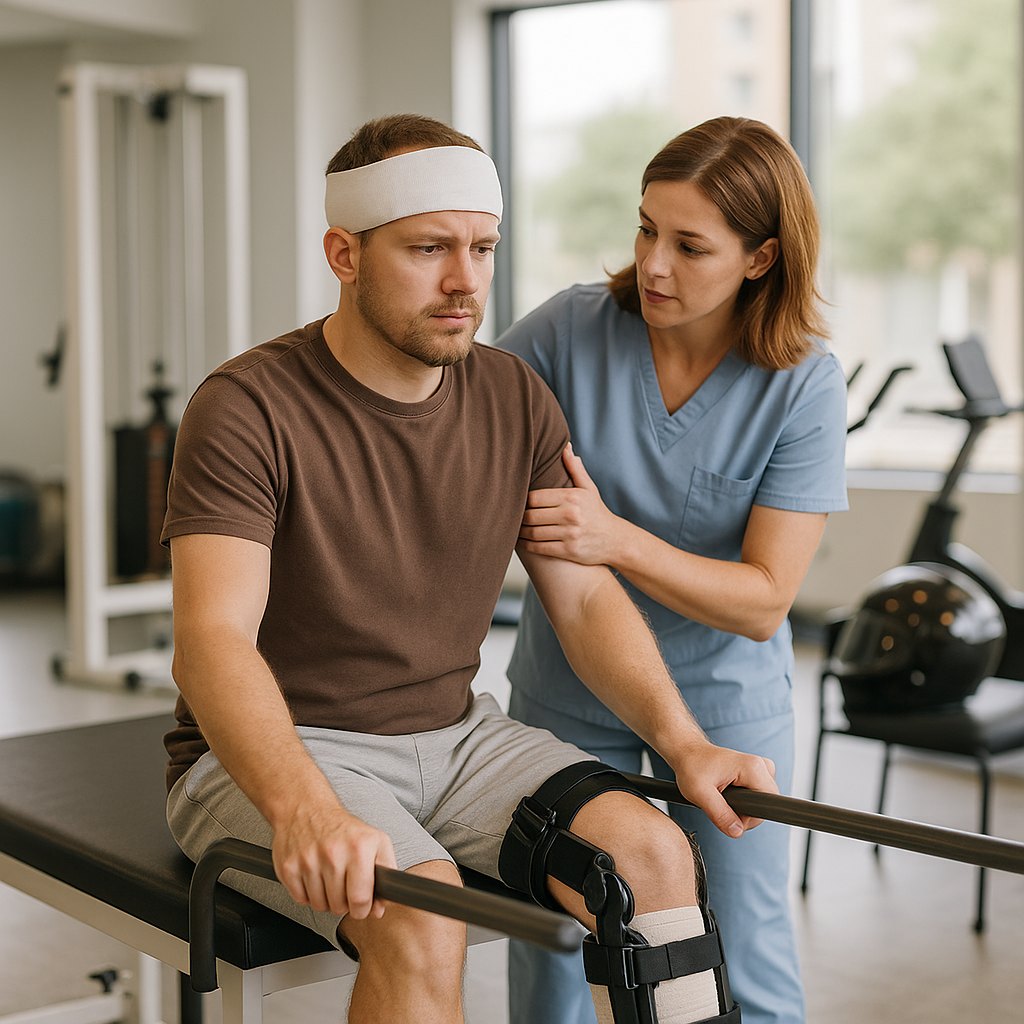
Potential losses include hospital treatment, rehabilitation, medication, and recommended follow-up care. If lasting impairments require support at home, that need should be documented. We may work with qualified experts to assess future costs when the case calls for it.
The goal is to tie each claimed expense to a supported need. A care plan should reflect the person’s medical condition, likely recovery, and daily challenges. It should not assume that everyone with the same diagnosis needs the same treatment or lifelong care.
Lost wages and reduced ability to work
Headaches, fatigue, or concentration problems may affect a return to work. Pay records and medical restrictions can help show missed income. An injury may also limit future work. A claim can address that lost earning ability when the evidence supports it.
Changes in daily life
Pain, emotional distress, and reduced enjoyment of ordinary activities may also matter. Describe concrete changes in family routines, household tasks, and hobbies. A clear account supported by records is more helpful than a general statement that life is harder.
When several serious injuries are involved, our Provo catastrophic injury team can review the broader care needs. If a brain injury was fatal, families can ask about a wrongful death claim.
How do insurance and shared fault affect a claim?
Available insurance, policy limits, and disputed responsibility can affect recovery. We identify possible coverage, review insurer requests, and help you understand proposed releases. Give accurate information, but ask about the scope of a recorded statement or permission to release medical records before agreeing to it.
Utah’s comparative fault law compares each party’s role. To recover, your fault must be less than the combined fault of the other responsible parties. Any damages are reduced by that person’s share of fault. An insurer’s accusation is not the final legal decision.
Should you accept an early settlement?
Review it carefully. A final release may prevent you from seeking more money later for the same injury. Before settling, consider current bills, likely future needs, and any repayment claims. We can explain what an offer covers and what questions remain unanswered.
How soon should you speak with a lawyer?
Ask about deadlines promptly. Many Utah negligence claims have a four-year filing period under Utah Code section 78B-2-307. Other claims can have shorter limits or special notice rules. A government-related claim, a child’s injury, or a different legal theory needs its own review.
Do not assume an insurance claim or ongoing treatment pauses the time to sue. The filing deadline and the best time to preserve evidence are different questions. Early advice can help protect both without rushing your medical recovery.

We’ve helped thousands of accident victims like you
we win
98%
4.9
stars
over
2,000


“Very professional, and treated me as an equal.”
"Just wanted to say thank you to Jed and his team at Strong Law. Not only was I happy with the outcome, but the entire process as a whole. I would definitely recommend this firm to anyone. Thanks again."
“Unbelievable work!”
"I had a claim involving my own insurance company. I tried to negotiate with them, and they completely denied my claim – two times. I then hired Strong Law, and the change was instant. The insurance company immediately began negotiating, and Jed was able to secure an unbelievably good settlement. I will never again attempt to take-on an insurance company without Strong Law in my corner. Thank you!"
“I got justice and awesome compensation.”
"I hired Strong Law after my car accident. Jed and his team worked hard on my case. They were professional and compassionate through my surgery and as I recovered, and they were awesome on communication. I got justice and awesome compensation. I would recommend Strong Law to anyone in my situation."
Get Your Free
Case Review

How Strong Law will handle your case

We review reports, photos, video, witness information, medical records, and other evidence to identify what happened and who may be responsible.

We gather medical, wage, property, and daily-life evidence to show how the injury or loss affected the client.
We identify available insurance, manage insurer communication, and respond to delays, low offers, and attempts to shift blame.

If the other side denies responsibility or refuses a fair resolution, we can file a lawsuit and prepare the case for court.
Insider experience
We Know How Insurance Companies Operate
Before founding Strong Law, attorney Jed worked as in-house counsel for GEICO, defending insurance companies in accident and injury claims. That experience helps our team understand how insurers evaluate claims, dispute injuries, and decide when to settle. We use that knowledge to build stronger claims for injured people.

No upfront fees
Zero Cost Unless You Win
You owe us nothing unless we recover compensation for you. There is no obligation to hire us after your consultation and no hidden attorney fees along the way.

First-Class Service
Legal Support That Goes Beyond the Basics
Our team does more than process paperwork. We answer your questions, explain your options, track important deadlines, and help you understand each step of the injury claim.

Start here
Get Your Free Case Evaluation Today
We will review your injury claim at no cost and explain your options clearly. The goal is to help you protect your health, your claim, and your financial recovery after a serious accident or injury.
Provo brain injury questions
Can a concussion support a brain injury claim?
Yes, if evidence shows that another party is legally responsible and the concussion caused losses. A diagnosis described as mild does not tell the whole story about its effect on work and daily life.
Can you start a claim before treatment is finished?
Yes. Evidence and insurance coverage can be investigated while treatment continues. A final settlement should be considered with a clear understanding of the medical outlook and supported future needs.
Can a family member contact the firm for an injured person?
Yes. A family member can ask general questions and help arrange a consultation. We will discuss consent and who has legal authority to make decisions if the injured person cannot act for themselves.
How long does a brain injury case take?
Timing depends on recovery, disputed fault, insurance, and whether a lawsuit is needed. Some claims resolve through negotiation. Others need more evidence or court proceedings. No specific timeline can be promised before reviewing the case.
What does it cost to hire Strong Law?
The consultation is free. Strong Law handles injury cases on a contingency fee basis, so attorney fees depend on a recovery. Ask about case expenses and the written fee agreement before hiring the firm.
Does Strong Law have a Provo office?
Our Utah office is at 193 E Fort Union Boulevard, Midvale, UT 84047. We serve Provo and Utah County. Call 385-746-1803 to discuss consultation options and arrange a meeting.
For a free review of a brain injury claim, call 385-746-1803 or contact Strong Law. Bring the records you have, even if the full picture is still developing.
Contact us
Our team is standing by to help you.