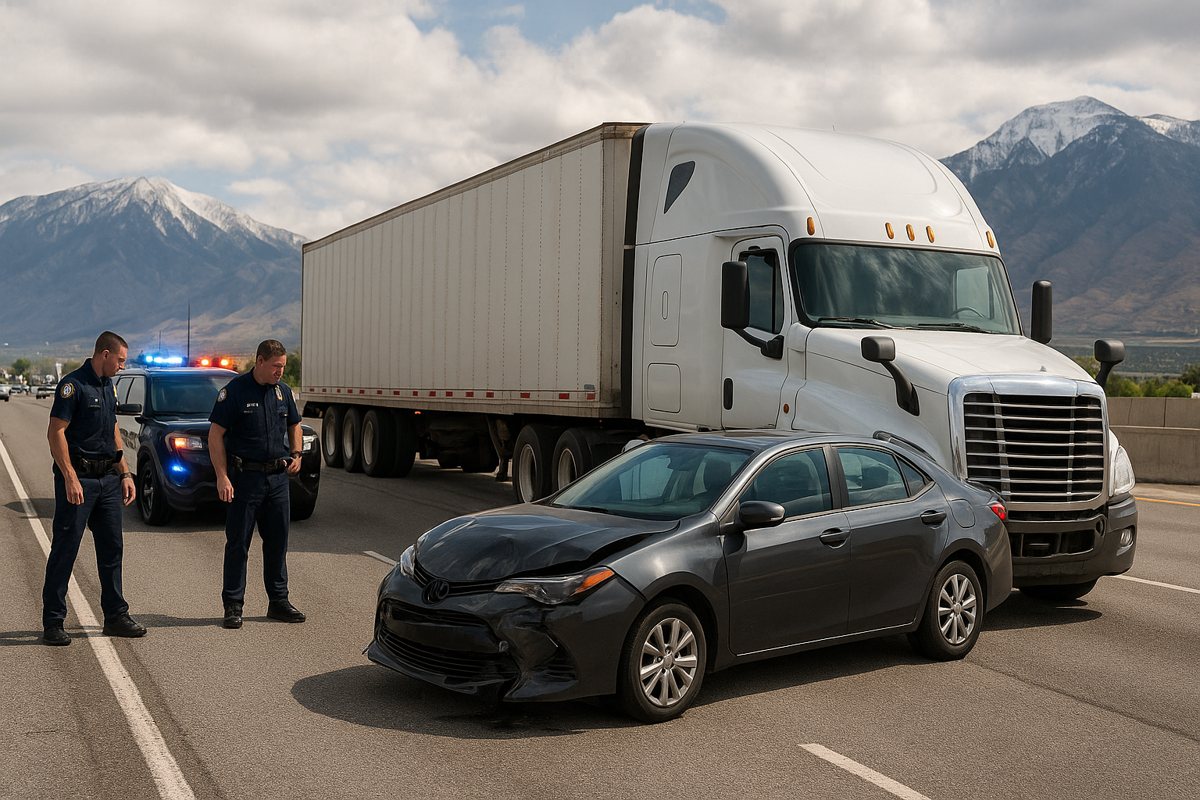
Provo Truck Accident Lawyer for Serious Crash Claims
Hurt in a truck crash in Provo? Strong Law helps protect evidence, identify responsible parties, and seek payment for supported losses. Our Utah team serves Provo from Midvale.

What should you know after a truck accident?
- Get medical care and report the crash. Safety comes first.
- A claim may involve a driver, trucking company, or other responsible party.
- Driver logs, video, and vehicle data may need prompt preservation.
- A settlement should account for supported future needs as well as current bills.
- Strong Law serves Provo from Midvale. Your first consultation is free.
How can a Provo truck accident lawyer help?
A Provo truck accident lawyer can investigate the crash and identify who may be legally responsible. We review the driver, company, vehicle, and available insurance. A claim may seek payment for medical care, lost income, vehicle damage, pain, and other losses supported by evidence.
Strong Law Accident & Injury Attorneys serves Provo and Utah County from our Utah office in Midvale. A collision on I-15, U.S. 189, University Avenue, or another road needs an investigation based on its actual location and facts. Call 385-746-1803 or request a free consultation.
For a passenger-car collision, see our Provo car accident page. Our personal injury team can also review other claims linked to the incident.
Why can a truck claim require a different investigation?
A commercial crash can involve separate owners of the truck and trailer, an employer, and outside contractors. Important records may be held by several businesses. We look beyond the name painted on the truck to understand who controlled the work and equipment.
Large vehicles also have different stopping and turning limits. That does not prove fault in a specific crash. Video, damage patterns, road conditions, and witness accounts help show whether a driver or company failed to use the required care.

Contents
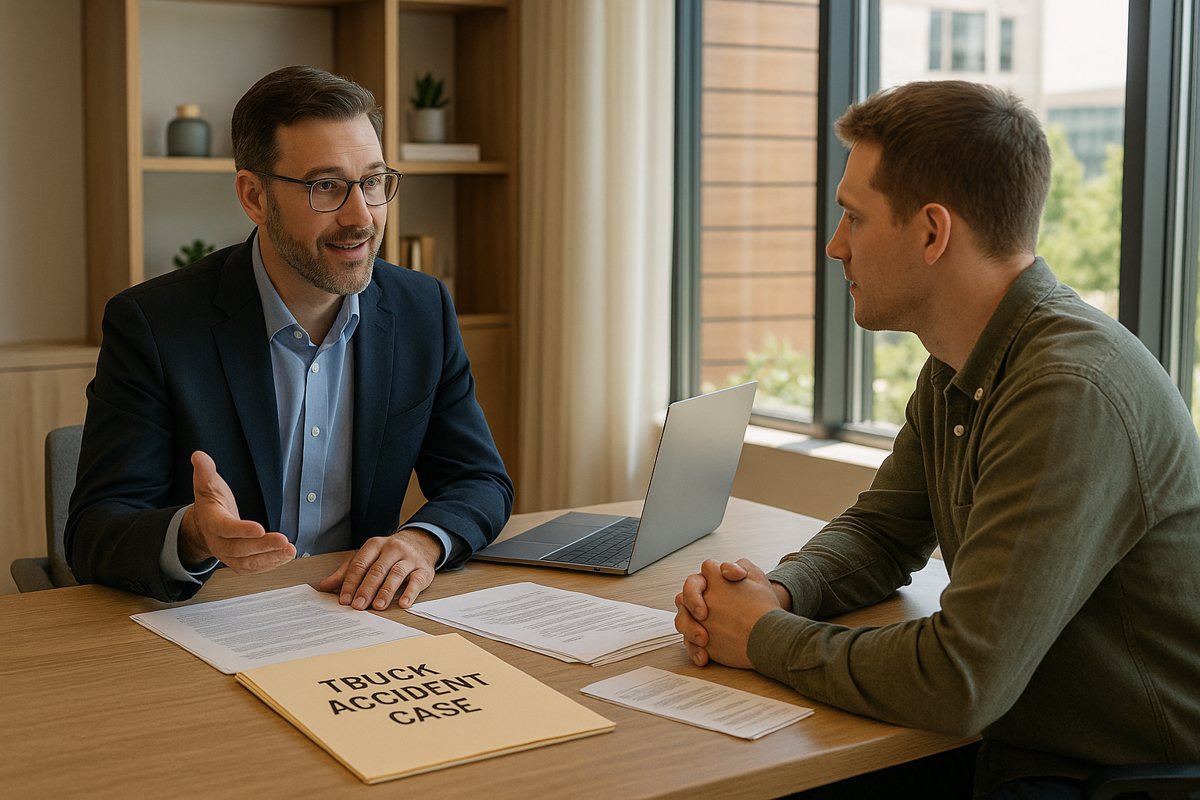
What should you do after a truck crash in Provo?
Call 911 when someone is hurt or there is an immediate danger. Move away from traffic if it is safe. Follow emergency responders’ directions and get medical attention. Do not put yourself at risk to collect evidence beside a highway or damaged truck.
- Get report details. Save the police agency’s name and the incident number.
- Identify the vehicles. If safe, photograph plates, company names, truck and trailer numbers, and the USDOT number.
- Exchange information. Get the driver’s contact and insurance details. Note the carrier or employer named in the records.
- Document the scene. Photograph damage, debris, signs, lane markings, and visible road conditions.
- Save witness contacts. Ask about dashcams or nearby cameras that may have recorded the collision.
- Keep your records. Save medical notes, bills, receipts, work restrictions, and insurance letters.
Give an accurate account to police. If you do not know a detail, say so rather than guess. Before repairs or disposal, ask whether a vehicle or damaged item needs to be inspected. Keep original photos and video files.
Which truck accident evidence should be preserved?
The useful records depend on the truck and the type of operation. A Provo truck accident attorney can ask the right parties to save evidence and use formal legal requests when needed. A request to preserve records does not guarantee that every record exists or will be produced.
- Electronic logging device records and driver duty logs, where applicable.
- Dispatch messages, route information, delivery schedules, and available GPS data.
- Truck camera footage and relevant onboard vehicle data.
- Inspection, repair, and maintenance records.
- Cargo loading records, weight information, and securement documents.
- Driver qualification, training, and employment records relevant to the crash.
Video can be overwritten and vehicles may be repaired quickly. Seek advice early even if medical treatment is ongoing. Your family does not need to conduct a commercial-vehicle investigation alone.
Who may be responsible for a commercial truck collision?
The driver may be responsible for unsafe speed, distraction, an improper turn, or another driving error. A carrier may also face responsibility for the driver’s work or its own conduct. Maintenance companies, cargo loaders, and manufacturers may need review when their actions contributed to the crash.
The name of a company or the driver’s employment status does not decide the whole case. We examine contracts, control, safety duties, and the link between each party’s conduct and the injury. We do not assume every business involved in a shipment is legally liable.
Can driving-hour or maintenance rules matter?
Yes, when the rules apply to the vehicle and operation. The FMCSA hours-of-service summary describes driving limits and exceptions. Many covered property-carrying drivers have an 11-hour driving limit after 10 consecutive hours off duty. A 14-hour driving window also generally applies.
Exceptions and other limits can change the analysis. A log entry alone may not explain the entire workday. We compare relevant records with the route, dispatch information, and crash timing. A safety violation must also be assessed for its role in causing the collision.

What compensation may a truck accident claim include?
A claim should account for the injury’s effect on health, work, and daily life. There is no fixed payout for a truck crash. The evidence, available insurance, fault, and supported future needs can all affect the result.
- Emergency care, hospital treatment, surgery, medication, and therapy.
- Future care, equipment, and home assistance supported by medical evidence.
- Lost wages and a reduced ability to earn income.
- Vehicle repair or replacement and other damaged property.
- Physical pain, emotional distress, scars, and lasting limits.
Serious crashes may involve several injuries at once. Our Provo brain injury page discusses head trauma records. Our catastrophic injury page explains future care and support needs.
How do you show lost income and future care needs?
Pay records, medical restrictions, and employer information can help show missed work. Future losses may need a review of job duties, lasting limits, and realistic work options. Medical recommendations should support claims for ongoing treatment or help at home. Qualified experts may be needed in a complex case.
How should you handle insurance requests and settlement offers?
Keep copies of letters, emails, and claim numbers. Give required notice to your insurer and ask about any duty to cooperate. Before a broad release of medical records or a recorded statement, make sure you understand what is being requested.
A final settlement may prevent a later claim for the same injury. Review current bills, expected future needs, and any repayment claims before signing a release. We can explain what an offer covers and which questions remain open. You decide whether to accept a settlement.
What if the trucking insurer blames you?
Utah’s comparative fault law compares the parties’ roles. To recover, your fault must be less than the combined fault of the other responsible parties. Any award is reduced by your share of fault. An insurer’s first position is not a final legal decision.
We review the physical evidence, statements, and available records before responding. A police report can be useful, but it does not always answer every civil liability question. Disputes about speed, lane position, or visibility may need further investigation.
How long do you have to file a truck accident lawsuit?
Many Utah negligence injury claims have a four-year filing period under section 78B-2-307. Wrongful death claims generally have a two-year period under section 78B-2-304. Exceptions and other legal claims need their own review.
Claims involving a public entity can also have an earlier notice deadline and separate lawsuit rules. Ask about the dates promptly. Medical treatment and insurance talks do not automatically pause the time to sue. Families dealing with a fatal crash can contact our Provo wrongful death team.
We’ve helped thousands of accident victims like you
we win
98%
4.9
stars
over
2,000


“Very professional, and treated me as an equal.”
"Just wanted to say thank you to Jed and his team at Strong Law. Not only was I happy with the outcome, but the entire process as a whole. I would definitely recommend this firm to anyone. Thanks again."
“Unbelievable work!”
"I had a claim involving my own insurance company. I tried to negotiate with them, and they completely denied my claim – two times. I then hired Strong Law, and the change was instant. The insurance company immediately began negotiating, and Jed was able to secure an unbelievably good settlement. I will never again attempt to take-on an insurance company without Strong Law in my corner. Thank you!"
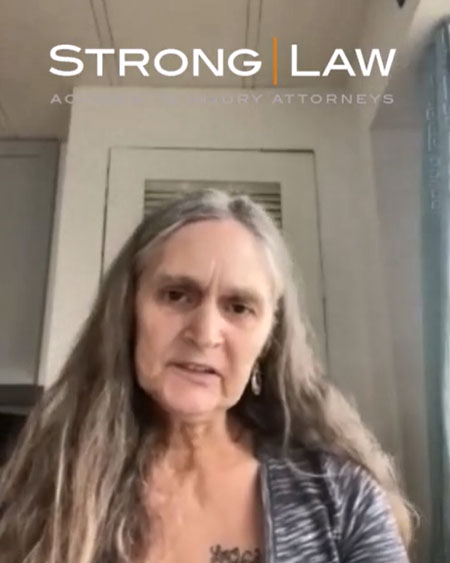
“I got justice and awesome compensation.”
"I hired Strong Law after my car accident. Jed and his team worked hard on my case. They were professional and compassionate through my surgery and as I recovered, and they were awesome on communication. I got justice and awesome compensation. I would recommend Strong Law to anyone in my situation."
Get Your Free
Case Review

How Strong Law will handle your case

We review reports, photos, video, witness information, medical records, and other evidence to identify what happened and who may be responsible.

We gather medical, wage, property, and daily-life evidence to show how the injury or loss affected the client.
We identify available insurance, manage insurer communication, and respond to delays, low offers, and attempts to shift blame.

If the other side denies responsibility or refuses a fair resolution, we can file a lawsuit and prepare the case for court.
Insider experience
We Know How Insurance Companies Operate
Before founding Strong Law, attorney Jed worked as in-house counsel for GEICO, defending insurance companies in accident and injury claims. That experience helps our team understand how insurers evaluate claims, dispute injuries, and decide when to settle. We use that knowledge to build stronger claims for injured people.

No upfront fees
Zero Cost Unless You Win
You owe us nothing unless we recover compensation for you. There is no obligation to hire us after your consultation and no hidden attorney fees along the way.

First-Class Service
Legal Support That Goes Beyond the Basics
Our team does more than process paperwork. We answer your questions, explain your options, track important deadlines, and help you understand each step of the injury claim.

Start here
Get Your Free Case Evaluation Today
We will review your injury claim at no cost and explain your options clearly. The goal is to help you protect your health, your claim, and your financial recovery after a serious accident or injury.
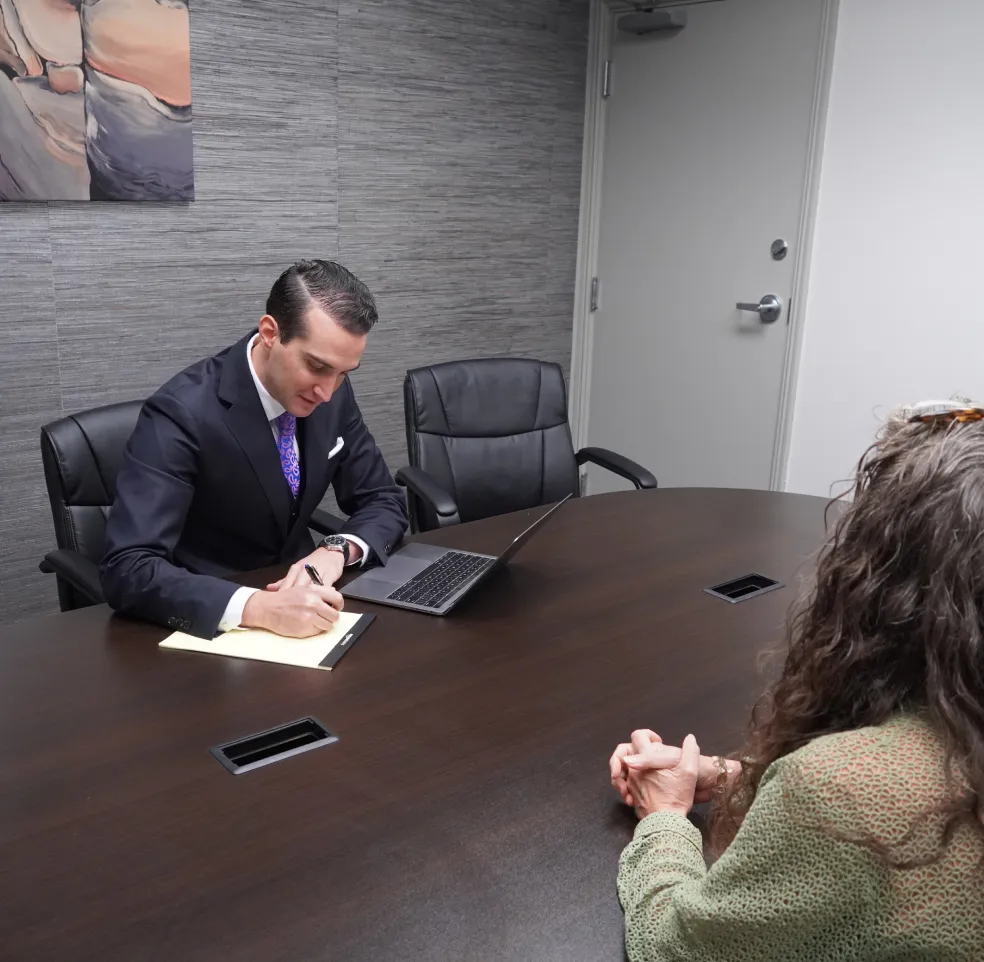
Provo truck accident questions
Can you bring a claim after a delivery truck crash?
Possibly. The driver, employer, vehicle owner, and insurance may need review. A smaller delivery vehicle may follow different rules from an interstate semi-truck. The actual operation and facts determine the analysis.
What if the truck driver works for an out-of-state company?
The company’s location does not by itself prevent a claim. A lawyer can review where a case may be filed, which parties should be named, and how to obtain records from the businesses involved.
Do you need every record before calling a lawyer?
No. Bring the report number, photos, insurance letters, and medical information you have. We can discuss what is missing and how it may be obtained. Missing paperwork should not stop you from asking about deadlines.
Will a truck accident case go to trial?
Some claims settle through negotiation. Others need a lawsuit or trial to resolve disputes about fault or damages. The timeline depends on the evidence, medical outlook, and court process. No specific result or completion date can be promised.
What does it cost to hire Strong Law?
Your consultation is free. Strong Law handles injury cases on a contingency fee basis, so attorney fees depend on a recovery. The written agreement explains fees and how case expenses are handled.
Does Strong Law have a Provo office?
Our Utah office is at 193 E Fort Union Boulevard, Midvale, UT 84047. We serve Provo and Utah County. Call 385-746-1803 to discuss consultation options and arrange a meeting.
Call 385-746-1803 or contact Strong Law for a free review of your truck accident claim.
Contact us
Our team is standing by to help you.