

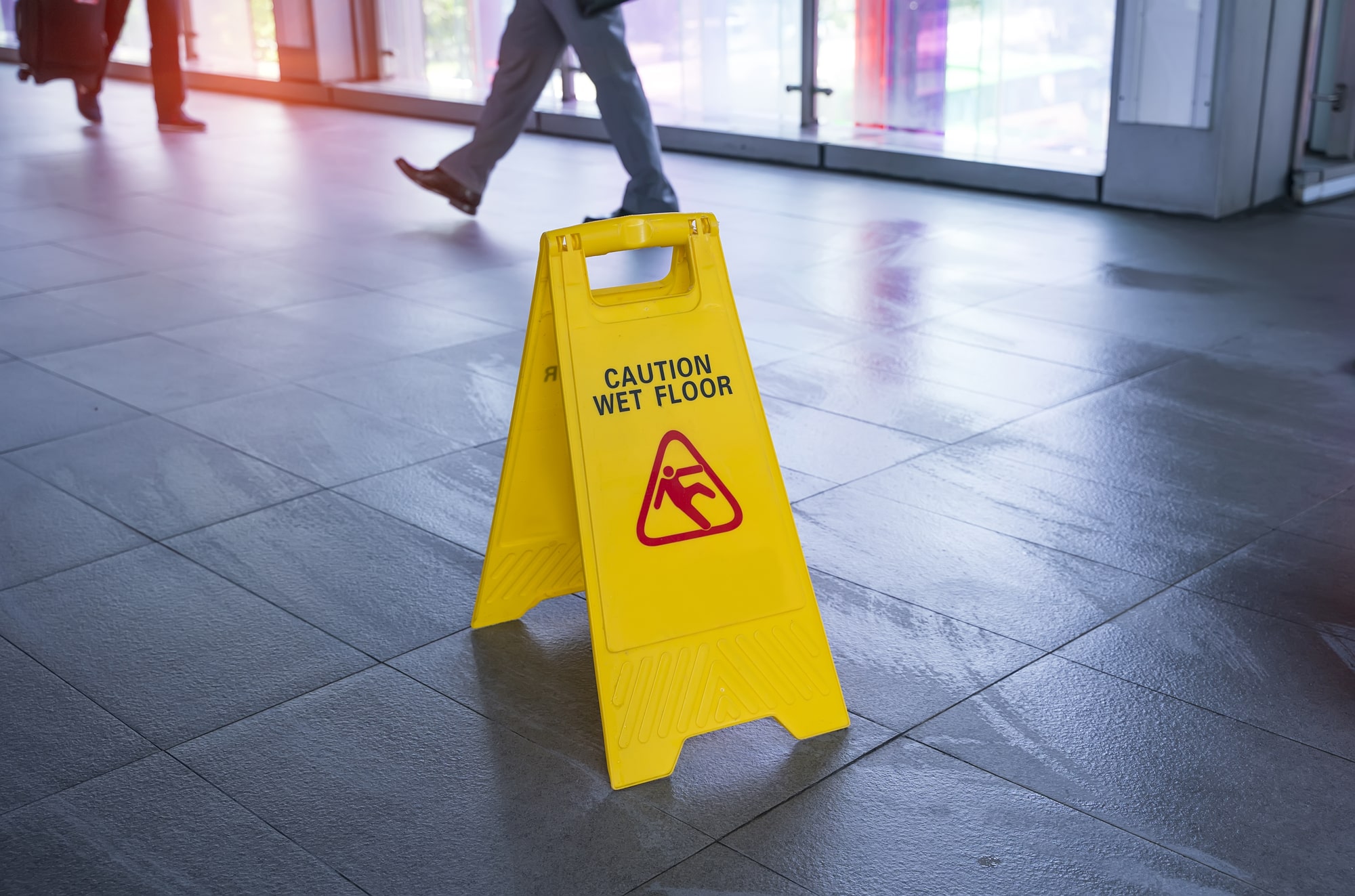
Anchorage Slip And Fall Lawyer
Slip and fall accidents often occur due to dangerous property conditions that should have been addressed. An Anchorage slip and fall lawyer can help when a fall results in serious injuries caused by negligence. If you need a slip and fall attorney Anchorage or an Anchorage premises liability lawyer, our team is ready to help.

Key Takeaways
Strong Law Accident & Injury Attorneys represents Anchorage slip and fall victims by investigating hazardous property conditions, preserving evidence, coordinating with medical experts, and proving causation and damages under Alaska premises liability law.
Cases often rely on whether owners knew or should have known of dangers like wet floors, poor lighting, uneven surfaces, or ice, and injuries commonly include fractures, head trauma, and spinal injuries.
At Strong Law Accident and Injury Attorneys, we counter comparative-fault arguments, manages insurer communication, and identify all responsible parties across multiple locations such as stores, apartments, workplaces, and parking areas.
Because incident reports rarely tell the whole story, we may locate witnesses, secure statements, and pursue surveillance footage or third-party contracts to clarify how the hazard developed and why it remained unaddressed.
Free consultations and contingency-fee representation are available, backed by a strong record of favorable outcomes.

Contents
What Is a Slip and Fall Claim?
A slip and fall claim arises when a person is injured because a property owner or manager failed to maintain safe conditions or provide adequate warnings. These cases fall under premises liability law and focus on whether the hazard was foreseeable and preventable. For special cases we may refer you to our Anchorage premises liability lawyers
Common Causes of Slip and Fall Accidents
Slip and fall injuries often result from everyday hazards that could have been corrected or clearly marked. Common causes include:
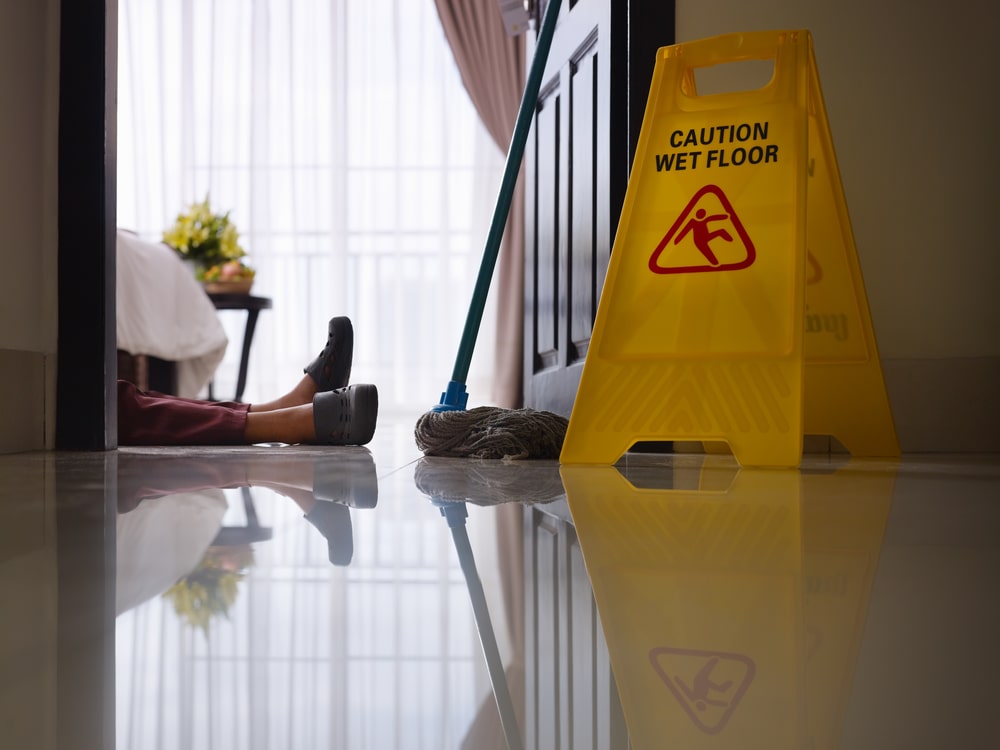
- Wet or recently cleaned floors without warning signs
- Ice, snow, or moisture tracked into entryways
- Uneven pavement, loose flooring, or broken walkways
- Poor lighting in stairwells, hallways, or parking areas
- Damaged stairs, handrails, or floor transitions
Common Injuries From Slip and Fall Accidents
Falls can cause serious injuries, particularly when the impact involves the head, back, or hips. Depending on the circumstances, injuries may include:
- Traumatic head injuries and concussions
- Spinal cord and back injuries
- Broken bones, including wrists, ankles, and hips
- Soft tissue injuries affecting mobility
- Internal injuries requiring extended treatment
Head and spinal trauma from falls may overlap with claims handled by an Anchorage brain injury lawyer, while severe complications can raise questions similar to those seen in wrongful death cases when a fall proves fatal.

Comparative Fault and Blame Shifting in Slip and Fall Cases
Insurance companies frequently argue that a fall victim was careless or not paying attention. Comparative fault principles allow insurers to reduce payouts by shifting blame, even when a hazardous condition played a significant role.
Experienced legal representation helps counter these arguments by focusing on property conditions, maintenance practices, and whether reasonable safety measures were in place at the time of the fall.
How Experience Can Strengthen a Slip and Fall Case
Slip and fall claims often involve detailed factual disputes. A lawyer familiar with these cases can build a record that clearly connects the unsafe condition to the injury and presents losses in a way that is difficult to dismiss.
- We focus our practice on personal injury law, including car, truck, motorcycle, pedestrian, catastrophic injury, and wrongful death cases.
- Our firm offers free consultations and works on a contingency-fee basis, meaning no attorney fees are owed unless compensation is recovered.
- We maintain a documented history of favorable outcomes, including thousands of resolved injury claims.
Frequently Asked Questions
Question: What if the property owner says they did not know about the hazard?
Short answer: Slip and fall cases often turn on notice. We evaluate whether the condition was foreseeable and preventable by analyzing inspection practices and the reasonableness and timing of any cleanup or repairs. Our team requests inspection and maintenance records, repair histories, and prior complaints; reviews incident reports; and pursues surveillance footage and witness statements. We also examine third-party maintenance contracts to clarify who was responsible for safety and why the hazard remained unaddressed.
Question: What evidence will your Anchorage slip and fall lawyers work to preserve?
Short answer: We investigate the scene and preserve key evidence such as surveillance footage, incident reports, inspection and maintenance logs, repair histories, and witness statements. We secure medical documentation and coordinate with medical experts to clearly link the unsafe condition to your injuries. All of this is organized into a focused claim file that connects cause and harm.
Question: Who can be held responsible in a slip and fall case?
Short answer: Liability can extend to property owners, managers, tenants, maintenance contractors, or others who controlled the area at the time of the fall. We identify all responsible parties across settings like retail stores, apartment complexes, workplaces, and parking areas, then document maintenance and safety failures to show how each party’s conduct contributed to the hazard.
Question: What if I was not paying attention when I fell?
Short answer: Comparative fault does not automatically bar recovery. Responsibility depends on the condition of the property and the surrounding circumstances.
Question: How does comparative fault affect my recovery, and how do you counter blame shifting?
Short answer: Insurers frequently argue you were careless to reduce what they owe under comparative fault principles. Comparative fault does not automatically bar recovery, however. We counter by centering the case on property conditions, inspection and maintenance practices, and whether reasonable safety measures or warnings were in place, pushing back when the other side tries to shift blame.
Question: Do slip and fall cases always go to trial?
Many claims resolve through settlement, but preparation for litigation strengthens negotiations.
A fall caused by a hazardous walkway, entryway, or stairwell can leave you balancing recovery and mounting expenses at the same time. At Strong Law Accident & Injury Attorneys, we identify responsible parties, document safety failures, and present your losses clearly.
Reach out to arrange a complimentary case review and learn about your options.
We’ve helped thousands of accident victims like you
we win
98%
4.9
stars
over
2,000



“Very professional, and treated me as an equal.”
"Just wanted to say thank you to Jed and his team at Strong Law. Not only was I happy with the outcome, but the entire process as a whole. I would definitely recommend this firm to anyone. Thanks again."
“Unbelievable work!”
"I had a claim involving my own insurance company. I tried to negotiate with them, and they completely denied my claim – two times. I then hired Strong Law, and the change was instant. The insurance company immediately began negotiating, and Jed was able to secure an unbelievably good settlement. I will never again attempt to take-on an insurance company without Strong Law in my corner. Thank you!"

“I got justice and awesome compensation.”
"I hired Strong Law after my car accident. Jed and his team worked hard on my case. They were professional and compassionate through my surgery and as I recovered, and they were awesome on communication. I got justice and awesome compensation. I would recommend Strong Law to anyone in my situation."
Get Your Free
Case Review

Contact us
Our team is standing by to help you.