

What Is the Average Payout for a Head Injury?

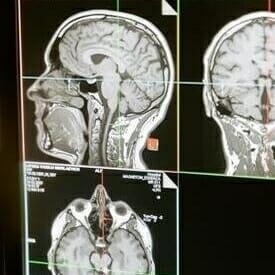
A Personal Injury Lawyer Can Help You Recover Fair Compensation
After an accident that was not your fault, you may be wondering: What is the average payout for a head injury?
The average payout for a head injury varies because compensation depends on factors like the severity of the injury, the long-term impact on your life, the amount of care you will need, and whether you can return to work in the future.
Some head injuries resolve within weeks, and settlements may be relatively modest. More serious injuries, including traumatic brain injuries (TBIs), can cause lasting cognitive, emotional, and physical effects that impact both the injured person and their family for years or even for life. In catastrophic cases, compensation may reach six or seven figures depending on the evidence and available insurance coverage.
Because there are many head injury types, symptoms, and contributing conditions, it is difficult to calculate an “average” payout that applies to everyone. If you or a loved one suffered a head injury (or a fatal injury) due to someone else’s negligence, you may be entitled to compensation for medical costs, lost income, and pain and suffering. The amount you receive should be based on your specific circumstances, not a hypothetical average.
How Much Is a Head Injury Claim Worth?
Many factors go into determining the value of a head injury claim. After an accident, a personal injury lawyer should evaluate your case and outline a reasonable settlement range based on your injuries, liability, and damages. Key factors often include:
Fault and Negligence
To recover compensation, your attorney must show that another party behaved negligently or recklessly and caused the accident that led to your injuries. Negligence does not require intent. Proving negligence generally involves showing:
- The other party owed you a duty of care
- They failed to meet that duty
- The failure caused the accident and your injury
- You suffered actual damages as a result
The Severity and Permanence of Your Injuries
Head injuries range from minor wounds and concussions to TBIs that affect the brain. A traumatic brain injury typically occurs when a sudden external force damages the brain, sometimes leading to long-term or permanent impairment.
The Brain Injury Association of America reports that millions of people face traumatic brain injuries each year, and many experience life-altering outcomes. According to Mayo Clinic, a significant TBI can lead to serious limitations in communication, cognition, and daily functioning.
Severe brain injuries may result in symptoms such as memory loss, impaired concentration, cognitive changes, emotional and behavioral changes, loss of independence, paralysis, coma, or death. When the injury causes permanent limitations or requires lifelong care, the settlement value is typically higher because future damages are substantially greater.
Medical Costs and Other Financial Losses
A settlement should reflect both current and future losses, including:
- Ongoing treatment, therapy, and rehabilitation
- Medications and medical equipment
- Lost wages and reduced future earning capacity
- Funeral costs in wrongful death cases
- Property damage related to the accident
Emotional and Physical Pain and Suffering
Compensation may also include non-economic damages such as pain and suffering, emotional distress, anxiety, and a long-term reduction in quality of life. These harms can be significant in head injury cases and should be supported with medical documentation and, when appropriate, expert testimony.
Whether a Death Is Involved
Complications from a TBI can be fatal. If a wrongful death occurs, surviving family members may have the right to pursue compensation through a claim against the party that caused the injury. Learn more about wrongful death claims here: Tacoma wrongful death lawsuit.
Your Individual Circumstances
Age, occupation, earning power, family responsibilities, and prior health can all affect case value. Another key factor is the strength of legal representation. Insurance companies aim to minimize payouts and often dispute liability or downplay injuries. A lawyer experienced with head injury cases can build the evidence, negotiate effectively, and pursue full compensation based on the facts of your case.
Head Injuries From Car Accidents
Head injuries frequently result from car and other vehicle crashes. Like other head injury claims, the settlement range can vary widely based on the severity of the injury, available insurance coverage, and the defendants’ assets.
Victims may recover compensation for medical and rehabilitation costs, ongoing care, lost wages and future income, and necessary home or vehicle modifications. In addition, non-economic damages may be available for pain and suffering and emotional anguish.
In many car accident cases, the insurance company attempts to shift blame to reduce what it pays. Let your attorney handle communications and negotiations, and do not accept a settlement offer without legal review. Accepting an offer may prevent you from seeking additional compensation later if your condition worsens or long-term costs increase.
Personal Injury Cases After a Head Injury in Washington
Washington law generally provides a three-year deadline to file a personal injury lawsuit. See the statute here:
RCW 4.16.080.
Washington does not impose a general cap on personal injury damages, which allows the claim value to reflect the full extent of your losses. Rather than focusing on an “average payout,” our attorneys focus on your individual injuries, your long-term needs, and the evidence required to demand a fair amount.
How Our Lawyers Determine What Amount to Request
Our head injury attorneys start by studying what makes your case unique. We review medical records, the mechanism of injury, the treatment plan, and prognosis. We also evaluate how the injury affects your work and daily life. While past results may provide context, each case is different, and we do not limit your claim to what happened in another case.
Call Our Brain Injury Lawyers to Protect Your Rights
At Strong Law, our legal team understands the complexities involved in a traumatic brain injury claim. Learn more here:
TBI lawsuit. We investigate the accident, gather key documentation, and work with medical providers to understand your future needs so we can pursue full compensation.
Do not delay. Head injury cases are time-sensitive, and deadlines can apply depending on the type of claim and the facts involved. For Washington statutes, you can review limitations provisions here:
RCW 4.16.
Strong Law operates offices in Tacoma, Portland, and Salt Lake City. For a free review of your head injury case or any other personal injury matter, contact us as soon as possible at 206-855-3729.

See If Your Injury Claim May Qualify
Answer a few quick questions to help Strong Law understand what happened and whether your claim may qualify for a free review.
