
image

Tacoma Brain Injury Lawyer for TBI Claims

Tacoma brain injury lawyers fight for maximum compensation while you heal from serious head trauma and other traumatic brain injuries.

A Tacoma brain injury lawyer helps people seek compensation after a concussion, traumatic brain injury, or serious head injury caused by someone else’s negligence.

Brain injuries can be hard to prove because they are not always visible. A person may look fine but still have headaches, dizziness, memory problems, mood changes, sleep issues, trouble focusing, or trouble working.

If you suffered a brain injury in a car crash, truck accident, motorcycle crash, pedestrian accident, bicycle accident, fall, dog attack, work incident, or another preventable accident in Tacoma or Pierce County, Strong Law can help. We build brain injury claims with medical records, symptom documentation, expert support, and a clear picture of how the injury changed your life.

A brain injury lawyer in Tacoma can help connect the accident, medical records, symptoms, and long-term effects so the insurance company does not dismiss the injury as minor.

Free case review: Talk with a Tacoma brain injury attorney today. You pay no fee unless we recover compensation for you.

Quick Answers About Tacoma Brain Injury Claims

What does a Tacoma brain injury lawyer do?
A Tacoma brain injury lawyer helps show how the injury happened, how it affects your life, what care you may need, and what compensation may be available.

When should I call a head injury lawyer?
You should call a head injury lawyer if symptoms continue after an accident, your scan was normal but you still feel different, you missed work, or the insurance company is questioning your injury.

Can I have a brain injury if my CT scan or MRI was normal?
Yes. Some concussions and mild traumatic brain injuries do not show clearly on standard imaging. Medical records, symptoms, specialist exams, and cognitive testing may still help support the claim.

What symptoms should I watch for after a head injury?
Watch for headaches, dizziness, nausea, memory issues, confusion, mood changes, sleep problems, light sensitivity, balance problems, fatigue, or trouble focusing.

What evidence helps prove a traumatic brain injury claim?
Helpful evidence may include emergency records, doctor notes, neurologist records, cognitive testing, therapy records, work records, witness statements, crash reports, photos, videos, and a symptom journal.

How long do I have to file a brain injury lawsuit in Washington?
Most Washington personal injury lawsuits must be filed within three years under RCW 4.16.080. Some claims may have shorter deadlines, especially if a government vehicle, public agency, or public property is involved.

How much does it cost to hire Strong Law?
There is no upfront cost. Strong Law only gets paid if we recover compensation for you.

98%
win rate
Strong Law Accident & Injury Attorneys Google rating showing 4.9 stars and over 550 reviews.

Contents

Doctor examining an elderly man with a head injury and bandage after a traumatic brain injury.

Why Brain Injury Claims Are Hard to Prove

Brain injury claims are different from many other injury claims because the damage is not always easy to see. A broken bone may appear clearly on an X-ray. A concussion or mild TBI may not.

Insurance companies often use that against injured people. They may say the person looks normal, the scan was clear, the symptoms are based only on what the person says, or the injury should have healed quickly. They may also argue that memory problems, headaches, mood changes, or sleep issues came from stress, age, anxiety, or a prior condition instead of the accident.

That is why documentation matters. A strong Tacoma brain injury claim should show:

  • what happened
  • when symptoms started
  • what doctors found
  • how treatment progressed
  • what changed in daily life
  • how the injury affects work, sleep, memory, mood, and independence

Strong Law helps clients build that link with records, treatment history, expert review, and clear evidence of what changed after the accident.

Symptoms That May Appear Hours or Days Later

Brain injury symptoms do not always appear right away. After a crash, fall, or impact, adrenaline can hide symptoms at first. Some people go home thinking they are okay, then notice problems later.

Common symptoms may include:

  • Headaches
  • Dizziness
  • Nausea
  • Balance problems
  • Blurred vision
  • Light or noise sensitivity
  • Memory problems
  • Trouble concentrating
  • Feeling slowed down
  • Confusion
  • Mood changes
  • Anger or emotional changes
  • Anxiety
  • Depression
  • Sleep problems
  • Fatigue
  • Trouble working or completing normal tasks

The CDC explains that mild TBI and concussion symptoms can affect how a person feels, thinks, acts, and sleeps. Symptoms can also change during recovery. A person may have headaches and nausea early, then later notice mood changes, memory problems, or sleep issues.

If symptoms appear after a Tacoma accident, do not ignore them. Medical care and early records can help protect both your health and your legal claim.

Evidence That Helps Prove a Tacoma Brain Injury Claim

Brain injury claims are often won or lost on evidence. The goal is to show what happened, what symptoms followed, how the injury affected your life, and what care you may need later.

Helpful evidence may include:

  • Emergency room records
  • Primary care records
  • Neurologist records
  • Cognitive testing
  • CT scans, MRIs, and other imaging
  • Physical therapy records
  • Work therapy records
  • Speech or cognitive therapy records
  • Mental health treatment records
  • Prescription records
  • Crash reports or incident reports
  • Photos and videos from the accident scene
  • Witness statements
  • Family or coworker observations
  • Work records showing missed time or reduced performance
  • School records, if the injured person is a student
  • A journal tracking symptoms, sleep, pain, mood, and daily limits

Family members, coworkers, and close friends can be important witnesses. They may notice changes the injured person does not fully recognize, such as memory loss, mood changes, fatigue, confusion, or trouble handling normal tasks.

Diagnosis, Imaging, and Cognitive Testing

Brain injuries may be diagnosed in different ways. Doctors may review symptoms, examine the patient, order imaging, refer the person to a specialist, or recommend cognitive testing.

A CT scan or MRI may help identify bleeding, swelling, fractures, or other serious brain trauma. But normal imaging does not always rule out a concussion or mild traumatic brain injury.

The CDC notes that healthcare providers may test learning, memory, focus, and problem-solving when reviewing a mild TBI or concussion.

Cognitive testing can be especially important in a brain injury claim. These tests look at how the brain is working. They may review memory, attention, processing speed, problem-solving, mood changes, and other thinking issues.

In plain English, this type of evidence can help show how the injury affects the person’s thinking, behavior, and daily life. That can matter when insurance companies claim the person is exaggerating or that the symptoms are unrelated to the accident.

Common Causes of Brain Injuries in Tacoma

Brain injuries can happen in many types of accidents. In Tacoma and Pierce County, head injuries often happen in crashes, falls, pedestrian impacts, and other serious incidents.

Car Accidents

Car crashes can cause the head to hit a window, steering wheel, dashboard, headrest, or airbag. A brain injury can also happen from the force of the head and neck moving quickly, even without a direct blow to the skull.

If your TBI happened in a vehicle crash, our Tacoma car accident lawyer page explains how crash claims are handled.

Truck Accidents

Commercial truck crashes can cause severe head trauma because of the size and force of the vehicles involved. These cases may also involve trucking company records, black box data, driver logs, maintenance records, and commercial insurance.

If the injury happened in a semi-truck, delivery truck, or commercial vehicle crash, our Tacoma truck accident lawyerpage may be more specific.

Motorcycle, Bicycle, and Pedestrian Accidents

Motorcycle riders, bicyclists, and pedestrians have less protection in a crash. Even with a helmet, a person can suffer a concussion, brain bleed, skull fracture, or other head injury.

A crash involving a rider, walker, or cyclist may require different evidence than a standard vehicle crash. Photos, witness statements, traffic-camera footage, helmet damage, vehicle damage, and medical records can all matter.

Falls and Unsafe Property

Falls are a common cause of head injuries. A person may strike their head on the floor, stairs, pavement, shelving, or another hard surface. These cases may involve unsafe flooring, poor lighting, broken stairs, ice, clutter, or other hazards.

Dog Attacks and Other Traumatic Events

A dog attack can cause a person to fall, hit their head, or suffer trauma while trying to escape. Other violent or sudden events may also cause a head injury, even if the first visible injury is somewhere else.

How Insurance Companies Dispute Brain Injury Claims

Insurance companies often fight brain injury claims because the most serious effects can be hard to measure. An adjuster may accept that an accident happened but still argue that the brain injury is not serious, not related, or not worth much.

Common arguments include:

  • “The scan was normal.”
  • “You did not lose consciousness.”
  • “You waited too long to get treatment.”
  • “Your symptoms are only based on what you say.”
  • “The crash was not severe enough.”
  • “You had headaches before the accident.”
  • “Stress or anxiety caused the symptoms.”
  • “You should be better by now.”
  • “You are overstating the injury.”
  • “You can still work, so the injury must not be serious.”

These arguments can be misleading. A person can have a concussion without losing consciousness. Symptoms can be delayed. Daily life can be affected even when imaging is normal.

Strong Law helps push back by linking symptoms to medical records, treatment history, expert opinions, work limits, and the changes other people have seen since the accident.

What Compensation Can Include in a Tacoma Brain Injury Claim

A brain injury claim should account for both the first medical bills and the long-term impact of the injury.

Compensation may include:

  • Emergency medical care
  • Hospital bills
  • Imaging and diagnostic testing
  • Neurology visits
  • Cognitive testing
  • Physical therapy
  • Work therapy
  • Speech or cognitive therapy
  • Mental health treatment
  • Medication
  • Future medical care
  • Lost wages
  • Reduced earning capacity
  • Pain and suffering
  • Emotional distress
  • Loss of independence
  • Loss of enjoyment of life
  • Home support or care needs
  • Wrongful death damages if the injury is fatal

Some brain injuries affect every part of life. A person may struggle with work, family responsibilities, driving, reading, screen time, sleep, mood, or social interaction. Those losses should be documented, not dismissed.

An injury compensation lawyer can help show how the brain injury affects medical needs, income, daily life, and future care.

How Future Brain Injury Costs Are Proven

One major gap in many brain injury pages is that they mention future care but do not explain how those costs are proven. A strong claim does not simply guess at future needs.

In serious TBI cases, future costs may be supported by expert review and long-term care planning. A planner may help identify the care, treatment, therapy, equipment, and support a person may need over time. A financial expert may help calculate the cost of those needs and how the injury affects future earning ability.

Future costs may include:

  • Follow-up medical care
  • Medication
  • Cognitive therapy
  • Speech therapy
  • Physical or work therapy
  • Counseling
  • In-home support
  • Transportation help
  • Assistive devices
  • Reduced work capacity
  • Long-term care needs

This matters because insurance companies often focus on what has already been billed. A serious brain injury claim must also address what the person may need months or years later.

What Determines the Value of a TBI Claim?

There is no honest one-size-fits-all number for a traumatic brain injury claim. Case value depends on the facts, medical evidence, and how the injury affects the person’s future.

Important factors may include:

  • The severity of the brain injury
  • How long symptoms last
  • Whether symptoms are improving or worsening
  • Whether the injury affects work
  • Whether the person needs ongoing therapy
  • Whether imaging or testing supports the diagnosis
  • Whether family or coworkers notice changes
  • Whether the person can return to normal activities
  • The strength of the fault evidence
  • Available insurance coverage
  • Future medical and care needs
  • Reduced earning ability

Avoid pages or companies that promise a specific TBI settlement number without knowing the facts. Brain injury cases need careful review, especially when symptoms are long-term or disputed.

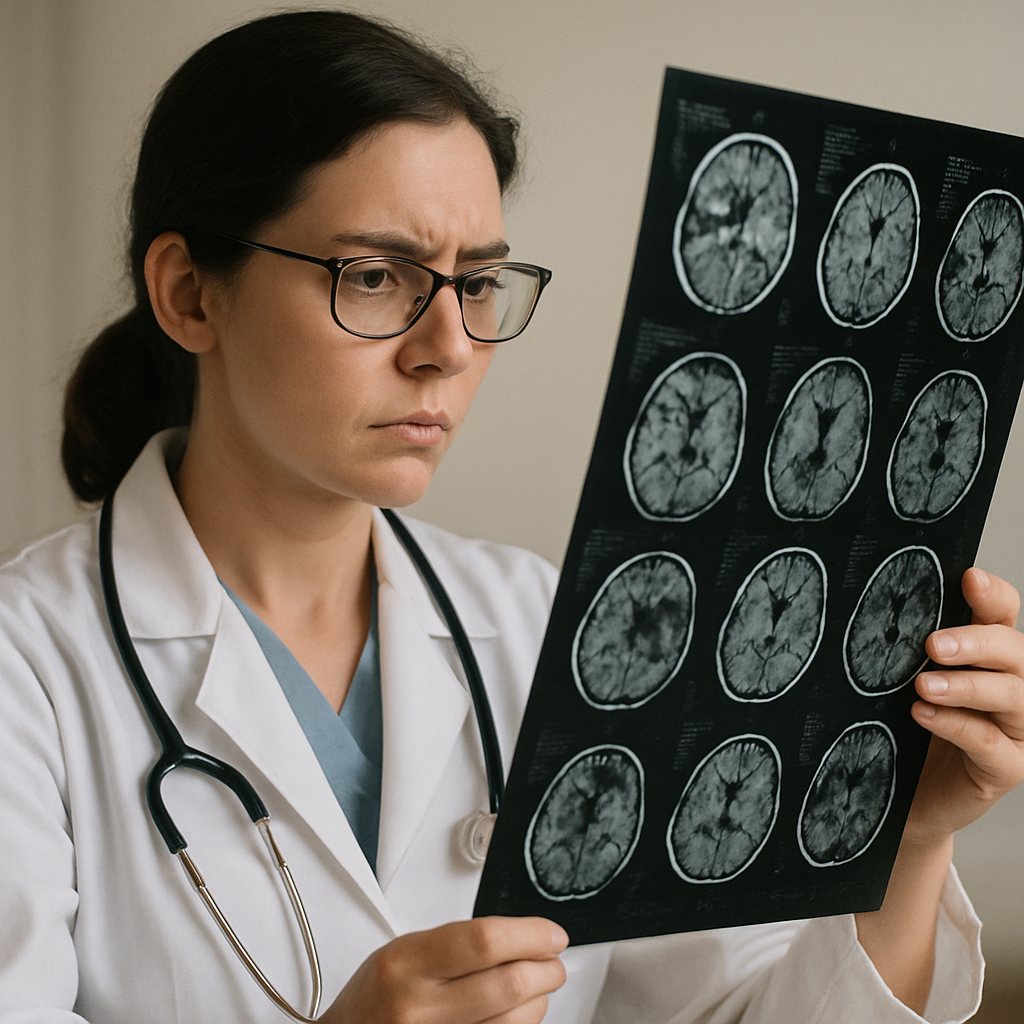
A doctor reviews detailed brain scan images to assess neurological damage. This image supports content about TBI diagnosis, medical evaluation, and expert review in brain injury cases.

We’ve helped thousands of accident victims like you

we win
98%

win rate in court

4.9
stars

on Google reviews

over
2,000

successful cases
Strong Law Accident & Injury Attorneys
play button
"I would definitely recommend them."
Lindsey - Washington
Wistia video thumbnail
stars

“Very professional, and treated me as an equal.”

"Just wanted to say thank you to Jed and his team at Strong Law. Not only was I happy with the outcome, but the entire process as a whole. I would definitely recommend this firm to anyone. Thanks again."

Nick S.
Utah
stars

“Unbelievable work!”

"I had a claim involving my own insurance company. I tried to negotiate with them, and they completely denied my claim – two times. I then hired Strong Law, and the change was instant. The insurance company immediately began negotiating, and Jed was able to secure an unbelievably good settlement. I will never again attempt to take-on an insurance company without Strong Law in my corner. Thank you!"

Jonathon
Washington
Strong Law Accident & Injury Attorneys
play button
A welcome from Jed Strong
Wistia video thumbnail
Strong Law Accident & Injury Attorneys
play button
"They've always been there for me."
Marsha - Washington
Wistia video thumbnail
stars

“I got justice and awesome compensation.”

"I hired Strong Law after my car accident. Jed and his team worked hard on my case. They were professional and compassionate through my surgery and as I recovered, and they were awesome on communication. I got justice and awesome compensation. I would recommend Strong Law to anyone in my situation."
Rick R.
Colorado
Strong Law Accident & Injury Attorneys

Severe, Permanent, and Catastrophic Brain Injuries

Some brain injuries heal with time and treatment. Others cause permanent changes.

A severe TBI may affect speech, memory, movement, personality, decision-making, mood, sleep, and independence. Some people need long-term therapy, caregiver support, home changes, or help returning to work.

If a brain injury causes permanent disability, loss of independence, or major life changes, it may also qualify as a catastrophic injury claim. Our Tacoma catastrophic injury lawyer page explains how these serious claims are handled.

If a brain injury leads to death, the family may also have a wrongful death claim. Our Tacoma wrongful death lawyer page explains how those claims work.

Washington Law and Brain Injury Claims

Washington law can affect how long you have to file, how fault is divided, and how compensation is reviewed.

Most Washington personal injury lawsuits must be filed within three years under RCW 4.16.080. Missing the deadline can stop you from filing a lawsuit, even if the injury is serious.

Washington also follows comparative fault under RCW 4.22.005. If an insurance company says you were partly responsible, it may try to reduce your compensation. That does not mean the adjuster is right. Fault often depends on crash evidence, witness statements, reports, safety rules, and expert review.

Some claims may require faster action. This can happen when a government vehicle, public agency, public property, or roadway issue is involved.

What to Do After a Suspected Brain Injury in Tacoma

If you suspect a brain injury after an accident, protect your health first. Then protect the evidence.

After a suspected concussion or TBI:

  1. Get medical care as soon as possible.
  2. Report all symptoms, even if they seem minor.
  3. Tell your doctor if symptoms appear later or get worse.
  4. Follow up with specialists if symptoms continue.
  5. Save all medical records and instructions.
  6. Track headaches, sleep, mood, memory, and daily limits.
  7. Ask family or coworkers to write down changes they notice.
  8. Avoid giving a recorded statement before you know your rights.
  9. Do not accept a quick settlement while symptoms are still developing.
  10. Speak with a lawyer if symptoms affect work, daily life, or long-term health.

Early care matters. So does consistent documentation.

A distressed woman holds her head after a vehicle crash, representing the onset of concussion or traumatic brain injury symptoms commonly seen after Tacoma car accidents.

What Should I Look for in a Tacoma Brain Injury Lawyer?

Brain injury cases require more than general injury experience. You need a lawyer who understands how TBIs are diagnosed, how symptoms are documented, and how insurance companies attack these claims.

Ask questions like:

  • How do you prove delayed concussion symptoms?
  • How do you handle cases where imaging is normal?
  • What evidence helps show memory, mood, or focus changes?
  • How do you use medical records and expert opinions?
  • How do you calculate future treatment needs?
  • How do you prove lost earning capacity?
  • How do you respond when insurance says the symptoms are unrelated?

The right lawyer should be able to explain these issues in plain English. If the answer is vague, that is a warning sign.

Why Choose Strong Law for a Tacoma Brain Injury Claim

Strong Law is a Tacoma law firm helping people throughout Pierce County and Washington after serious accidents and brain injuries. If you need a Tacoma injury attorney after a concussion or traumatic brain injury, our team can help preserve evidence, document symptoms, and deal with the insurance company.

A major advantage is insurance-side insight. Before founding Strong Law, attorney Jed Strong worked as in-house counsel for GEICO and defended insurance companies in injury claims. That background helps the team understand how insurers review medical records, dispute symptoms, and decide when to settle.

Strong Law also works on a contingency fee basis. That means there is no upfront attorney fee, and you pay no attorney fee unless compensation is recovered for you.

Our Tacoma office is located at:

Strong Law Accident & Injury Attorneys
1120 Pacific Ave Suite 110
Tacoma, WA 98402

Talk With a Tacoma Brain Injury Lawyer Today

If you need Tacoma legal help after a concussion, TBI, or serious head injury, do not let the insurance company decide what your injury is worth before the full impact is known.

Strong Law can review what happened, explain your options, identify available insurance coverage, and help you pursue compensation for your injuries and losses.

Call now: (206) 737-1421 for a free consultation with a Tacoma brain injury lawyer. You pay no fee unless we recover compensation for you.

Get your free
Personal Injury consultation

Contact us

Our team is standing by to help you.

How did you hear about us?
Checkboxes
Strong Law Accident & Injury Attorneys

Frequently Asked Questions About Tacoma Brain Injury Claims

What qualifies as a traumatic brain injury?

A traumatic brain injury happens when a blow, jolt, impact, or object entering the skull affects how the brain works. A TBI can range from a concussion to a severe injury that causes long-term disability.

Can I have a concussion without losing consciousness?

Yes. A person can suffer a concussion without passing out. Symptoms such as headaches, dizziness, memory problems, light sensitivity, mood changes, or sleep issues may still point to a brain injury.

What if my CT scan or MRI was normal?

Normal imaging does not always rule out a concussion or mild traumatic brain injury. Medical records, symptoms, specialist exams, and cognitive testing may still help prove the injury.

What evidence helps prove a brain injury claim?

Helpful evidence may include medical records, neurologist records, cognitive testing, therapy records, imaging, witness statements, work records, symptom journals, photos, videos, and accident reports.

How long do I have to file a brain injury lawsuit in Washington?

Most Washington personal injury lawsuits must be filed within three years. Some claims may have shorter deadlines, especially if a government vehicle, public agency, or public property is involved.

How much is a Tacoma brain injury case worth?

The value depends on the severity of the injury, symptoms, medical treatment, future care needs, work impact, pain and suffering, available insurance, and the strength of the evidence.

What should I look for in a Tacoma brain injury lawyer?

Look for a lawyer who understands TBI evidence, delayed symptoms, normal imaging disputes, medical records, expert opinions, future care needs, and insurance company tactics.

Can family members help prove a brain injury claim?

Yes. Family members may notice changes in memory, mood, sleep, attention, behavior, and daily function. Their observations can help show how the injury changed the person’s life.

Is a brain damage attorney the same as a brain injury lawyer?

People may search for a brain damage attorney after a serious head injury, but the legal issue is usually whether an accident caused a concussion, traumatic brain injury, or long-term brain-related symptoms.

How much does it cost to hire Strong Law?

There is no upfront cost. Strong Law works on a contingency fee basis, which means you pay no attorney fee unless compensation is recovered for you.