Missed or delayed diagnosis
Were symptoms, test results, or follow-up findings handled appropriately? Did a delay change the available treatment or outcome?

Answers about medical harm, records, and your legal options.
An unexpected complication can leave you with more treatment, lost income, and unanswered questions. A Midvale medical malpractice lawyer can help determine whether the care deserves a legal investigation. A poor outcome alone does not establish malpractice.
Strong Law Accident & Injury Attorneys reviews the treatment history and consults qualified medical experts where appropriate. We examine the standard of care, what may have gone wrong, and whether that failure caused additional harm. You can ask for a review without already having proof that a provider was negligent.
Our Utah office is at 193 E Fort Union Boulevard, Midvale, UT 84047. Call 385-746-1803 or request a free case review. Bring the records you have; you do not need a complete file before asking for help.


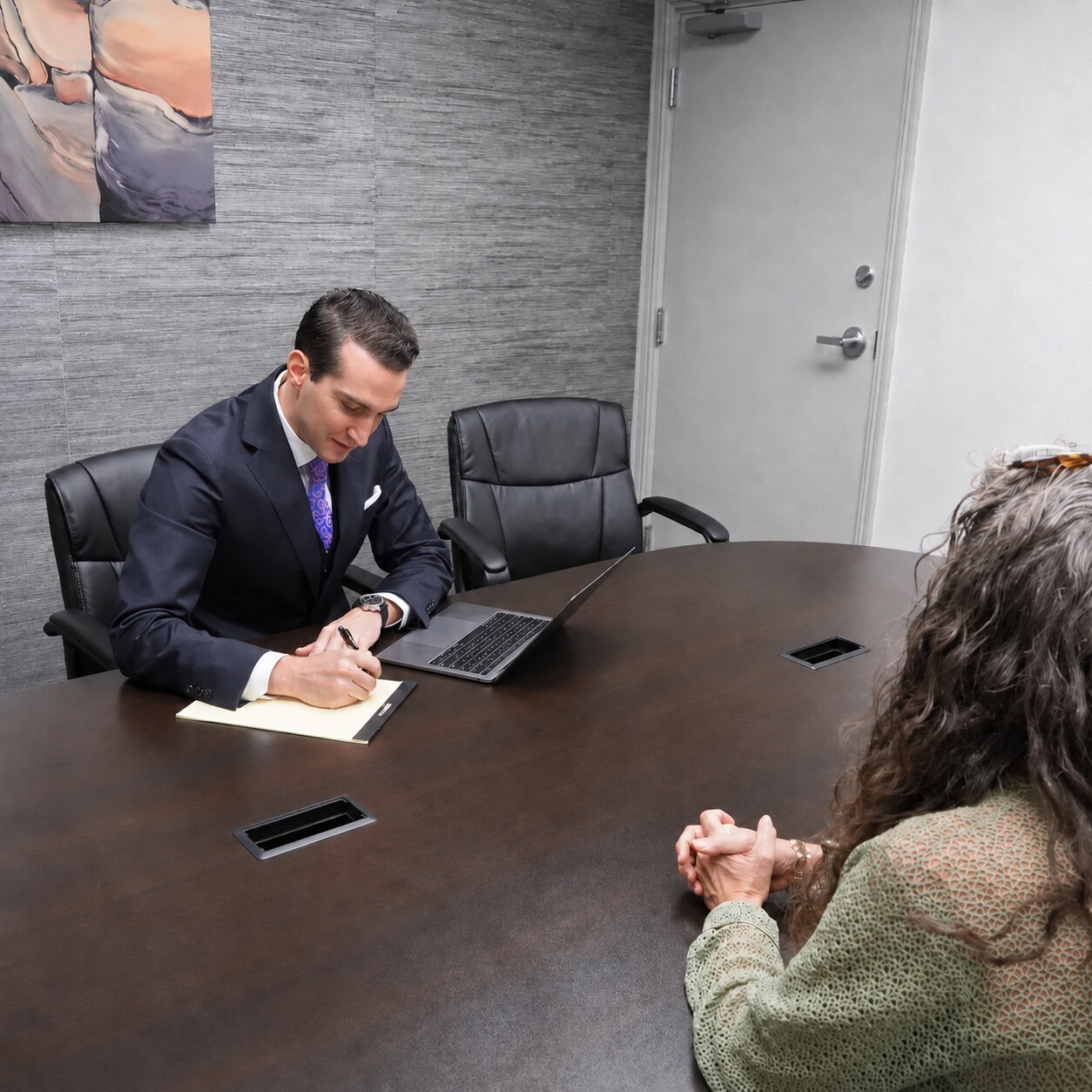
The first task is to understand the medical story. We organize the dates, symptoms, tests, treatment decisions, and later findings. A careful timeline helps identify the questions that a qualified specialist needs to answer.
We review possible defendants, insurance issues, the required Utah procedures, and the losses supported by the evidence. You receive an explanation of whether further investigation is practical and what records or expert input may be needed. We do not equate disappointment with a viable lawsuit.
If you have urgent symptoms or an immediate safety concern, seek appropriate medical help. Your providers guide treatment and medication decisions. A legal review can proceed while you receive care; it should not replace medical advice or encourage you to delay needed treatment.
A Midvale medical malpractice attorney can also explain insurer requests and proposed releases. Before accepting a settlement, understand which rights it closes and whether the medical outlook is sufficiently clear. No lawyer can promise a result from an initial description of the problem.
The investigation depends on the care involved and the harm that followed. These examples identify possible questions, not conclusions that negligence occurred. A specialist must consider what information was available to the provider at the time.
Were symptoms, test results, or follow-up findings handled appropriately? Did a delay change the available treatment or outcome?
We review planning, technique, monitoring, and the response to complications. A known risk can occur without negligence, so the records matter.
Prescribing, dispensing, dosing, allergies, interactions, and administration may need review. The question includes whether an error caused the claimed harm.
Prenatal findings, labor monitoring, delivery decisions, and newborn care may require specialist assessment. A serious injury is not itself proof of malpractice.
Changes in condition, escalation of care, and communications between providers may show whether a developing problem was recognized and addressed.
What was explained, what consent was obtained, and how the alleged omission affected the decision need a specific legal review.
If the concern involves a long-term care facility, our Midvale nursing home abuse page explains related safety, care, and reporting questions.
A malpractice claim generally requires proof that a provider failed to meet the applicable standard of care and that the failure caused compensable injury. The standard considers the relevant professional circumstances. It is not simply a comparison with the best imaginable outcome.
Expert review is often needed to explain what appropriate care required and how a departure caused harm. The injury may have several possible causes, including the underlying condition. We examine whether the alleged error made a meaningful difference to the outcome being claimed.
For example, a delayed diagnosis claim may turn on whether earlier action would have changed the treatment options or prognosis. A surgical claim may require distinguishing an avoidable error from a complication despite appropriate care. Those questions need records and qualified opinion, rather than hindsight alone.
The responsible party may be an individual provider, a facility, or another entity depending on the facts and legal relationship. Employment, privileges, supervision, and the specific conduct require review. We do not assume that every person listed in a chart is a proper defendant.
Talk through your options with our team.
You do not need to interpret the entire chart before contacting us. Start with the dates, providers, treatment locations, and the concern you want reviewed. Note when you first learned that an error may have occurred and who explained the later findings.
Keep original discharge instructions, test results, medication lists, visit summaries, bills, and messages. Photographs or a symptom timeline may help where relevant, but they do not replace the medical record. Save complete documents rather than only the pages supporting one account.
We discuss how records may be obtained with appropriate authorization. A family member requesting help for a patient may need legal authority for certain steps. Missing records are a question to address, not a reason to assume that the care was proper or improper.
Medical malpractice claims have procedures beyond an ordinary insurance demand. Utah’s Health Care Malpractice Act includes notice and prelitigation screening requirements for applicable claims. These steps must be considered alongside the filing deadline.
The Utah Division of Professional Licensing’s prelitigation panel materials describe the screening process and required information. A panel review is not a trial award or an automatic finding that compensation is owed. We assess the requirements that apply to your claim.
A licensing or facility complaint may address professional conduct or care concerns. It does not necessarily preserve the right to bring a civil action or satisfy all malpractice procedures. Do not assume that a hospital’s internal investigation pauses the legal clock.
Give us copies of complaints, responses, notices, and any written deadlines. We review what has already occurred and which steps may remain. The timing of a notice or screening request can matter, so seek advice before relying on a general deadline found online.
Medical bills can reflect both the original illness and additional injury from negligent care. A supported claim distinguishes those costs where necessary. The records should explain the further treatment, work limits, and daily-life changes caused by the alleged failure.
Available damages may be affected by Utah law, including rules specific to malpractice claims. We review the applicable limits and supported losses rather than give a fixed estimate from the injury’s name. Insurance and reimbursement obligations may also affect a settlement.
Lasting disability may require medical and financial expert input. Our catastrophic injury guidance discusses related planning. If a loved one died, our Midvale wrongful death team can assess family rights and the requirements applicable to the underlying medical claim.
Utah malpractice timing rules involve discovery of the injury and an outside time limit, with exceptions and other requirements that may matter. The analysis is different from an ordinary negligence claim. A child’s claim, concealment, or other unusual facts should receive specific review rather than a blanket assumption.
Bring the dates of the care, later diagnosis, and first notice of the possible error. A patient may learn about the injury gradually. We examine the actual timeline and procedures instead of treating the date of an insurer call as the start of every deadline.
If the case warrants further work, we discuss record collection, expert assessment, required notices, and the possible claim route. Settlement may be considered when the evidence is developed. If litigation is necessary, we explain the decisions and costs involved.
Strong Law offers a free consultation. If we accept the case on a contingency fee basis, the written agreement explains attorney fees and expenses, including expert-related costs. A review cannot guarantee that an expert will support the claim or that a recovery will result.
Our Utah office is at 193 E Fort Union Boulevard, Midvale, UT 84047. Call 385-746-1803 or request a free case review. Bring the records you have; you do not need a complete file before asking for help.
Ready to discuss your situation?
No. Complications and poor outcomes can occur despite appropriate care. A claim needs evidence of a departure from the applicable standard of care, a connection to the injury, and legally recoverable harm. Qualified expert review is often necessary.
Possibly. The review asks whether the delay reflected substandard care and whether earlier action would have changed the harm being claimed. The symptoms, tests, timing, and medical opinion matter; a later diagnosis alone does not establish liability.
No. Start with the provider names, dates, available records, and the concern you want reviewed. We can discuss what other records may be needed and how they may be requested with appropriate authorization.
Do not assume that it will. A complaint, internal review, and civil malpractice claim have different purposes and requirements. Ask for a review of deadlines and required prelitigation procedures even if a complaint remains pending.
A family member can make an initial inquiry, but records access and legal action may require the patient’s authorization or other legal authority. We discuss the appropriate role and documents for the circumstances.
The consultation is free. If Strong Law accepts the case on a contingency fee basis, attorney fees depend on a recovery. The written agreement explains the fee and case expenses, including how expert and record costs are handled.



"Just wanted to say thank you to Jed and his team at Strong Law. Not only was I happy with the outcome, but the entire process as a whole. I would definitely recommend this firm to anyone. Thanks again."
"I had a claim involving my own insurance company. I tried to negotiate with them, and they completely denied my claim – two times. I then hired Strong Law, and the change was instant. The insurance company immediately began negotiating, and Jed was able to secure an unbelievably good settlement. I will never again attempt to take-on an insurance company without Strong Law in my corner. Thank you!"
"I hired Strong Law after my car accident. Jed and his team worked hard on my case. They were professional and compassionate through my surgery and as I recovered, and they were awesome on communication. I got justice and awesome compensation. I would recommend Strong Law to anyone in my situation."

We review reports, photos, video, witness information, medical records, and other evidence to identify what happened and who may be responsible.

We gather medical, wage, property, and daily-life evidence to show how the injury or loss affected the client.

We identify available insurance, manage insurer communication, and respond to delays, low offers, and attempts to shift blame.

If the other side denies responsibility or refuses a fair resolution, we can file a lawsuit and prepare the case for court.
Before founding Strong Law, attorney Jed worked as in-house counsel for GEICO, defending insurance companies in accident and injury claims. That experience helps our team understand how insurers evaluate claims, dispute injuries, and decide when to settle. We use that knowledge to build stronger claims for injured people.

You owe us nothing unless we recover compensation for you. There is no obligation to hire us after your consultation and no hidden attorney fees along the way.

Our team does more than process paperwork. We answer your questions, explain your options, track important deadlines, and help you understand each step of the injury claim.

We will review your injury claim at no cost and explain your options clearly. The goal is to help you protect your health, your claim, and your financial recovery after a serious accident or injury.
Have other questions? Get in touch with our team at info@stronglawattorneys.com

Our team is standing by to help you.