image

Sandy Back Injury Lawyer for Accident Claims

A Sandy back injury lawyer helps document how an accident caused or worsened a back condition and how it affects work and daily life. Strong Law Accident & Injury Attorneys reviews disc, fracture, soft-tissue, and other back-injury claims. Our Sandy personal injury team serves the community from Midvale. For damage to the spinal cord itself, see our separate spinal cord injury services.

Back pain can interrupt a job, a commute, or the simple task of helping at home. A Sandy back injury attorney can review the accident evidence and the changes in your health without treating every back condition as the same claim.

  • Keep the incident report, original photos, and witness details.
  • Save medical records from before and after the injury.
  • Track missed work, written restrictions, and the tasks you can no longer do.

You do not need a complete file to request a review. Start with the accident date, where it happened, and the records already available.

98%
win rate
Google rating: 4.9 stars from more than 550 reviews

Contents

Illustration of a person with a highlighted spine

How Do You Connect a Back Injury to an Accident?

The claim needs evidence of both responsibility for the incident and the resulting injury. The mechanism of a collision, fall, or lifting event should be compared with the medical findings and symptom timeline. A diagnosis alone does not identify who caused the harm.

For a car crash, reports, photographs, footage, and vehicle evidence may matter. A fall on unsafe property may require surveillance and maintenance records. A work-related injury can follow a benefits process rather than an ordinary negligence lawsuit against the employer. We identify the legal path before assessing the losses.

What if You Had Back Pain Before the Incident?

An earlier condition does not automatically end the analysis. The question may be whether the incident caused a new injury or aggravated an existing condition. Accurate prior records help distinguish earlier symptoms, treatment, and restrictions from changes after the event.

Keep relevant imaging reports and ask treating providers to explain the findings and the changes they identify. Before-and-after information about work duties and daily activities can also help. Do not hide earlier care or assume a degenerative finding means every later symptom was inevitable.

Which Medical and Work Records Are Most Useful?

Save emergency notes, imaging, specialist consultations, surgery records when applicable, therapy progress, prescriptions, and written restrictions. Keep a dated record of changes in lifting, sitting, standing, walking, sleep, and household tasks. The evidence should reflect the actual limitations, not just a pain score.

Pay records, missed shifts, reduced hours, and light-duty descriptions can show the financial effect. If the injury affects future earnings, medical and vocational evidence may help. Those records can explain which tasks you can still do and how your work options have changed.

How Are Treatment Costs and Future Needs Evaluated?

A supported claim may include medical expenses, rehabilitation, medication, lost earnings, and pain or loss of function. Future treatment should be tied to provider recommendations, likely timing, and reasonable costs. An initial diagnosis does not establish that surgery or permanent disability will occur.

Keep travel receipts, bills, and records of assistance needed at home. Health-insurance reimbursement rights or other liens can affect the final recovery. We evaluate the medical course and future evidence alongside responsibility and available coverage before assessing a settlement offer.

How Are Fault and Insurance Disputes Addressed?

Utah’s comparative-fault rules can reduce or prevent recovery based on responsibility for the incident. An insurer may also dispute whether treatment relates to the accident. We compare those positions with the scene evidence, timeline, and medical explanation.

Potential coverage depends on the incident and policy terms. An early release may end claims for care that is still being evaluated. We explain what an offer addresses, what remains unsupported or uncertain, and whether additional records or litigation are warranted.

Organized vehicle and medical claim records on a desk

How Can You Build a Before-and-After Record?

Organize the information in date order. A useful record explains what you could do before the incident, what changed, and what supports each change. Keep personal notes separate from the medical chart so the source of each detail is clear.

  • Earlier health: List relevant prior injuries, treatment, medications, and activity limits. Include the provider and approximate dates when exact dates are unavailable.
  • The incident: Describe what happened in your own words. Note the location, your movement or position, and what you noticed immediately afterward.
  • First symptoms: Record when pain or other changes appeared and when you sought care. Do not change a date to match another person’s account.
  • Follow-up care: Save referrals, visit summaries, test reports, and treatment plans. Note any recommendation you have not yet discussed with the provider.
  • Daily function: Use specific examples, such as needing help with laundry or taking breaks while sitting. Explain how often the problem occurs.

A record should also reflect improvement. Include activities you resumed and restrictions that ended. An accurate account helps a reviewer evaluate the whole course of recovery, including gaps and remaining questions.

What Should You Save About a Sandy Accident Scene?

Identify the exact address or road location and the type of incident. A collision near a shopping area, a fall inside a business, and a lifting injury at work involve different sources of evidence. The city name alone does not explain who controlled the site or which records exist.

Keep any report number and the name of the agency or business that received the report. Preserve receipts, appointment confirmations, or messages that help establish why you were there. If a witness spoke with you, save the contact details and what you remember hearing.

For photographs or video, keep the original files. Note who took them and when. A photo taken days later may show the location but may not show the condition at the time of the accident. Tell us if the area changed, an item was removed, or a camera may have captured the event.

Do not return to an unsafe location or confront a business to collect proof. Bring the evidence you already have. A lawyer can discuss whether a request to preserve records is appropriate and which missing records matter to the claim.

How Do Work Restrictions Affect a Back Injury Claim?

A written restriction is more useful than a general statement that work hurts. Ask your provider to explain any limits that apply to lifting, bending, driving, sitting, or standing. The employer’s job description can help connect those limits to the tasks your job actually requires.

Save light-duty offers and messages about modified hours or duties. Keep track of the dates you missed work, the hours you worked, and the pay you received. Separate time missed for appointments from time missed because you could not perform a task.

If you are self-employed, bring invoices, appointment records, business expenses, and records of jobs you could not complete. A change in revenue may have several causes. Clear records help show which loss relates to the injury and which questions need more review.

Tell the lawyer if you changed jobs, used leave, or returned before restrictions ended. These facts may affect the analysis. Do not resign or turn down work based only on a general explanation on a website.

What Should You Understand Before Accepting a Settlement?

A settlement review should connect the offer to the evidence and the claims it would resolve. The amount alone does not tell you whether an offer addresses ongoing treatment or other supported losses. Ask for a plain explanation of the release and any unresolved issue.

  • Which injury claims and parties would the release cover?
  • Does the medical evidence explain current limits and likely future care?
  • Have missed earnings, paid bills, and unpaid bills been documented?
  • Which fees, expenses, or reimbursement claims may affect the amount you receive?

Future care should come from a supported medical plan. A possible procedure is different from a treatment recommendation with a likely cost and timing. If the plan remains uncertain, that uncertainty should be discussed before deciding whether to resolve the claim.

Bring the full offer letter, release, and deadline to the review. A phone summary can leave out important terms. Do not assume that an open insurance claim pauses a court deadline or that a later appointment gives you a new filing period.

Which Related Injury Services Does Strong Law Offer?

Salt Lake City injury services · Strong Law Accident & Injury Attorneys

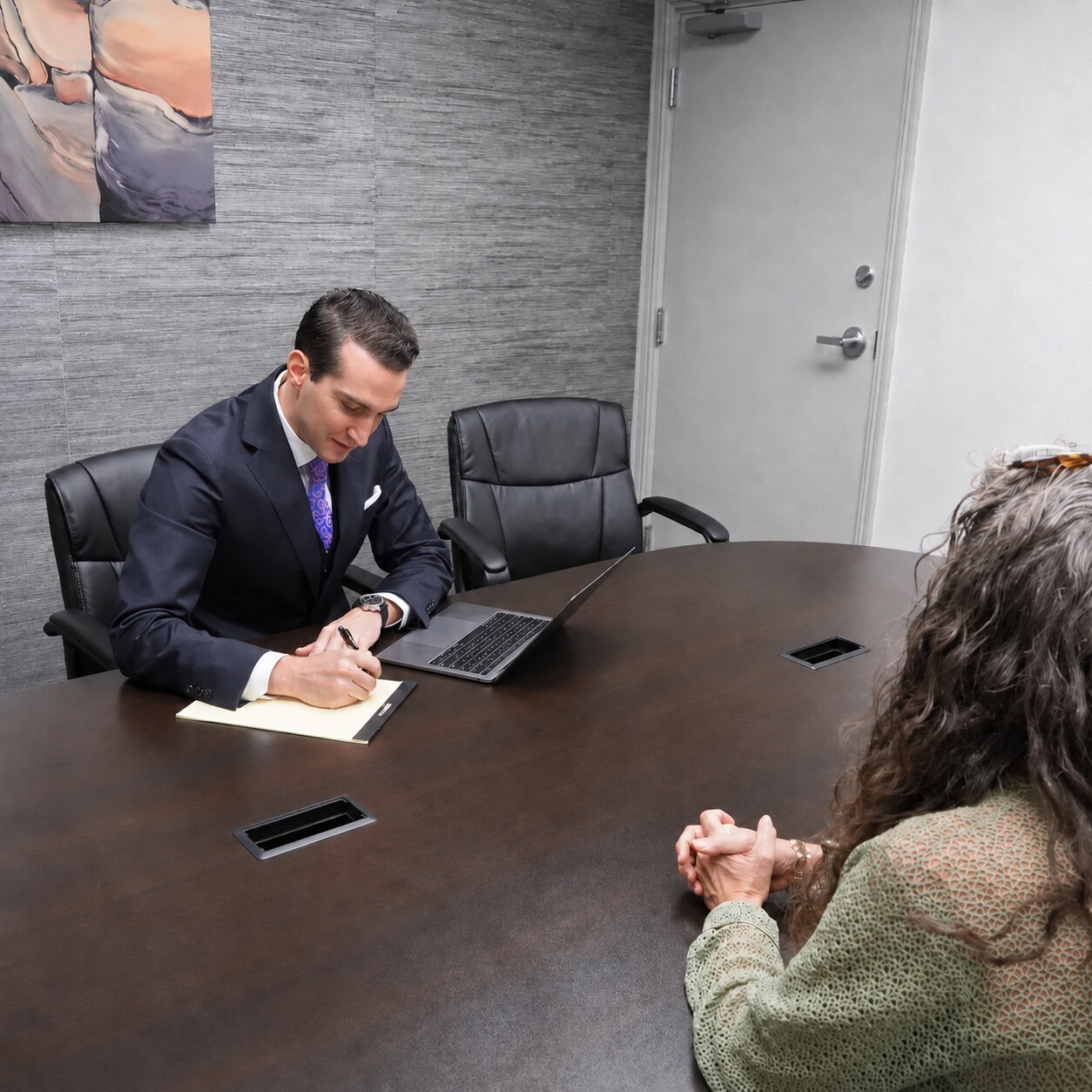
Jed Strong taking notes during a client meeting

How Strong Law Prepares Your Claim

Back-injury preparation requires an accurate medical history and a clear account of changed function. Our team can organize the incident proof, prior and current records, work restrictions, and supported future-loss evidence. We explain an insurer’s position and the next steps without assuming that every diagnosis produces the same outcome.

Strong Law’s firm background includes insurance-defense experience. That perspective informs preparation, but each case depends on its own law and evidence. Before representation, we explain the written terms for fees and case expenses.

“Jed and his team did a great job in our case. He was always very helpful and honest. I would definitely recommend him to anyone in need of legal representation.” – Guillermo H.

During a review, we can identify the records already available, the issues that need further investigation, and how to communicate about a disputed claim. A case plan should make clear who will request records and how you will receive updates.

Ask about the fee arrangement, costs advanced during the case, and what the written agreement says if there is no recovery. You should understand those terms before choosing representation. A free review is an opportunity to discuss the matter and the fit for legal help.

Past results do not guarantee the outcome of another case.

What Questions Do Sandy Clients Ask About Back Injuries?

Is a Back Injury the Same as a Spinal Cord Injury?

No. Back injuries can involve muscles, ligaments, discs, joints, vertebrae, or nerves without damage to the spinal cord itself. The actual medical diagnosis controls the evidence and care questions. A spinal cord injury can raise additional long-term mobility and assistance issues.

Can I Bring a Claim Without Surgery?

Surgery is not a requirement for every injury claim. Treatment records, restrictions, and the effect on daily life may support losses from a nonsurgical injury. Responsibility, causation, and the extent of harm still need evidence.

What if Pain Developed After I Left the Scene?

Record when symptoms appeared and discuss the incident and changes with a healthcare provider. Preserve early and later records. Delayed recognition requires careful timeline review, but it should not be treated as automatic proof that no injury occurred.

How Does a Work-Related Back Injury Differ?

A covered employee may seek workers’ compensation benefits without proving employer negligence. A separate third-party claim requires its own legal basis. Our Sandy workers’ compensation page explains reporting, benefit disputes, and the distinction between those processes.

When Should I Have the Claim Reviewed?

Contact us promptly if treatment is continuing, work is affected, or an insurer disputes the cause. The deadline depends on the claim, the parties, and when the legal clock starts. Work and government claims can have separate rules. The Utah Courts deadline guide explains why the actual claim and starting date matter.

What if I Missed an Appointment or Had a Gap in Care?

Explain the timeline accurately. Save scheduling messages, referral records, and any other information that helps explain a gap. Tell the lawyer what you know and what you do not remember. Do not invent an explanation or alter a medical record.

A gap may raise questions about symptoms, access to care, or the relationship between treatment and the incident. It does not answer those questions by itself. Follow your provider’s advice about care and discuss changes in symptoms with that provider.

Can I Request a Review Before All My Records Arrive?

Yes. Bring the records you have and a list of providers, facilities, and dates. Include any insurer letters or court papers. You can identify missing documents without delaying the first conversation until the file is complete.

Who Should Decide Which Treatment I Need?

Your healthcare provider should guide diagnosis and treatment. The MedlinePlus back pain overview explains that treatment depends on the cause. Legal review focuses on responsibility, evidence, and supported losses. It does not replace medical care.

How Can You Contact a Back Injury Lawyer in Sandy, Utah?

Strong Law serves Sandy from our Utah office at 193 E Fort Union Boulevard, Midvale, UT 84047. Call 385-746-1803 or request a free case review. We can discuss the available records, important deadlines, and whether representation fits your matter.

back injury lawyer in Sandy, UT

We’ve helped thousands of accident victims like you

we win
98%

win rate in court

4.9
stars

on Google reviews

over
2,000

successful cases
Strong Law client sharing her experience in a video testimonial
play button
"I would definitely recommend them."
Lindsey - Washington
Wistia video thumbnail
stars

“Very professional, and treated me as an equal.”

"Just wanted to say thank you to Jed and his team at Strong Law. Not only was I happy with the outcome, but the entire process as a whole. I would definitely recommend this firm to anyone. Thanks again."

Nick S.
Utah
stars

“Unbelievable work!”

"I had a claim involving my own insurance company. I tried to negotiate with them, and they completely denied my claim – two times. I then hired Strong Law, and the change was instant. The insurance company immediately began negotiating, and Jed was able to secure an unbelievably good settlement. I will never again attempt to take-on an insurance company without Strong Law in my corner. Thank you!"

Jonathon
Washington
Strong Law attorney speaking by phone at an office desk
play button
A welcome from Jed Strong
Wistia video thumbnail
Strong Law client discussing her experience in a video testimonial
play button
"They've always been there for me."
Marsha - Washington
Wistia video thumbnail
stars

“I got justice and awesome compensation.”

"I hired Strong Law after my car accident. Jed and his team worked hard on my case. They were professional and compassionate through my surgery and as I recovered, and they were awesome on communication. I got justice and awesome compensation. I would recommend Strong Law to anyone in my situation."

Rick R.
Colorado
Empty courtroom used for civil legal proceedings

Get Your Free
Case Review

Contact us

Our team is standing by to help you.

How did you hear about us?
Privacy & Terms Agreement
I agree to Strong Law Accident & Injury Attorneys’
Privacy Policy and Terms & Conditions
SMS/Text Message Consent
By checking this box, I consent to receive SMS/text messages from Strong Law Accident & Injury Attorneys about my inquiry, consultations, appointment reminders, intake follow-up, case-related communications, and legal services. Message frequency varies. Message and data rates may apply. Reply STOP to opt out or HELP for help. Consent is not a condition of hiring our firm or receiving legal services. View our Terms & Conditions and Privacy Policy.
Strong Law attorney speaking with a prospective client by phone