


Salt Lake City Work Injury
Do You Need Help from Salt Lake City Work Injury Lawyers? Strong Law Is Your Answer

We don’t expect to get hurt when we go to work, trusting that our employer will keep the premises safe and provide adequate safety gear in more dangerous environments. However, even an office environment has the potential for danger, including developing occupational diseases such as carpal tunnel syndrome. If you’ve been hurt at work, you should be able to collect Utah workers’ compensation benefits, but this may not be your only legal option. Our Salt Lake City work injury lawyer can explain your rights, including eligibility for a third-party lawsuit. Call Strong Law Accident & Injury Attorneys today for a consultation.
Salt Lake City Work Injury
Most Utah employers are required to carry workers’ compensation insurance, a free-to-you benefit that covers all your medical bills if you get hurt at work, rehabilitative care, disability benefits if you’re seriously injured, and a partial wage replacement for the time you miss at work to recover. However, some employers cut corners with workers’ comp and don’t carry the policy. In these cases, our Salt Lake City work injury lawyer files a lawsuit against the employer, seeking full compensation for any medical care you needed, the full amount of missed wages, pain and suffering, and other damages. We hold these negligent employers accountable for failing to keep workers like you safe.
If you are having trouble getting your workers’ comp claim approved or aren’t getting the full amount of your benefits, we can help there, too. Our firm reviews your claim to ensure it’s complete and correct so no errors or omissions cause delays. We work with your treatment team to make sure that all your medical procedures are covered. If your claim is denied, we draft and file an appeal on your behalf.
We fight hard for the rights of injured workers like you. We believe everyone deserves a safe place to work, and should be treated fairly during the claims process. We know tricks insurance companies like to pull to deny large claims, and have many strategies to overcome them.
Our Legal Experience Matters When Resolving Workplace Accident Claims
Our firm provides comprehensive legal advocacy for injured workers, helping ensure your rights under Utah workers’ comp laws are protected. We can file your claim, draft an appeal of a rejected claim, and initiate legal action as appropriate. As your Salt Lake City work injury lawyer, we handle all the legal matters related to your job injury, so you can focus on regaining your abilities and getting back to work.
- Strong Law attorneys have recovered tens of millions of dollars for injured people like you
- Our 4.9-star rating on Google and dozens of positive client reviews demonstrate our commitment to personalized, dedicated client care
- Firm founding partners previously worked as GEICO insurance defense lawyers, so we know exactly the type of tricks insurance companies like to pull
Have you been hurt at work and need to know your legal options? Call Strong Law Accident & Injury Attorneys today for a consultation.
The effects of a workplace injury can be devasting. Not only do you have to deal with the physical impact of your injury, but you also have to deal with the financial implications. This can be very frustrating.
The Utah Legislature formed workers’ compensation in 1917. This law covers medical expenses and lost wages for workers who suffer from work-related injuries or illnesses.
If you have been injured at work due to the negligence of someone else or your company, you may be entitled to claim compensation. Our lawyers can look at the circumstances of your case and offer advice on the legal route you should take.
What Amounts to A Work Injury in Salt Lake City, UT?
Your injury might prevent you from working at your standard capacity, or if it is severe, you might not be able to work at all. On top of that, you have to take care of costly medical and rehabilitation expenses.
Our work injury lawyers will hold a free consultation with you to determine whether you have a valid claim and advise you on the way forward.
A work injury is any injury or occupational sickness suffered by a worker due to their employment.
Leading Causes of Workplace Injuries
Usual injuries suffered at the workplace include muscle strains and sprains, cuts and tears, and broken bone fractures. These could be caused by any of the following:
- Dangerous or dysfunctional equipment.
- Dangerous materials
- Lifting heavy objects or repetitive moves.
- Negligence.
It is a good idea to keep all incident reports and medical and other documents that can be used to support your claim.
What Are Your Rights As An Injured Worker?
A large part of workplace injuries is dealt with through workers’ compensation, through which workers can get compensation for injuries relating to their employment without seeking legal advice.
If you can prove that a third party was at fault, partially or wholly, for the injury, this can contribute significantly to the amount of financial compensation you can claim. Workers’ compensation covers injuries your employer is directly or indirectly responsible for.

Contents

How Can Our Lawyers in Salt Lake City, UT Help You?
Sometimes the type of work you do puts you at a greater risk of injury, or maybe you just happened to be in the wrong place at the wrong time. Whatever the reason, you probably did not anticipate your injury. Your employer’s workers’ compensation insurance can sometimes cover the costs of your injury.
In reality, you could face some complications for the following reasons:
- Workers’ compensation sometimes does not take care of all your expenses.
- Your claim could be denied.
- You might need to institute a personal injury claim to restore your financial position to what it was before you got injured.
Our lawyers are well-versed in the applicable rules governing workers’ compensation.
If you find yourself in that position, you could speak to one of our experienced lawyers, who can advise you on your rights and how to enforce them.

What Compensation Are You Entitled to?
The type and extent of compensation you can get are listed below.
Medical Expenses
You can claim all medical expenses that are reasonable and were needed to treat your injury or illness.
This includes the following:
- Doctor’s visits
- Hospital costs
- Medicine and prosthetics devices
- Transportation costs.
Medical benefits are lifetime benefits because they cover all medical treatment needed for a workplace injury.
Your employer or insurance company can specify which doctor or hospital you should see for your first visit, particularly if they have informed you of a “preferred provider organization” (PPO).
You have to go there for your first medical treatment. If you do not, you could be responsible for a portion of the first treatment cost. After getting your first treatment at the PPO, you can get treatment from your preferred medical provider.
Temporary Total Disability Compensation
This benefit is paid when a doctor determines you cannot complete any work due to your work injury or illness.
Bear in mind that no compensation is dispensed for the initial three days after the work injury or illness unless that disability stops you from working for a time exceeding 14 days.
In that instance, you must be paid for your first three days of disability. This kind of compensation stops when you return to work, or your condition is stabilized.
Temporary Partial Disability Compensation
This is paid if your work-related injury or illness stops you from getting your usual full wage while you are recovering. For example, if you can only work for a few hours or do a light-duty job, you can claim temporary partial disability compensation over and above your wages.
Permanent Partial Disability Compensation
You can receive this benefit if your work injury or illness results in permanent impairment. This compensation starts after your doctor concludes that you are medically stable. The duration of your payment is decided after looking at an “impairment rating” given to you by your physician.
Permanent Total Disability Compensation
This benefit is paid if your work-related injury or illness causes a permanent disability that stops you from going back to your previous job or doing any other work that is reasonably available for you to do.
Indemnity
Workplace injuries lead to work absenteeism, which could result in lost wages. A worker is entitled to indemnity benefits through worker’s compensation. This helps the worker cover the cost of income losses. Compensation is a portion of your average weekly wage after considering the extent of your disability.
Death
When an employee dies due to a workplace injury or illness, worker’s compensation insurance administers weekly compensation to that worker’s husband or wife and any other dependents.
If an employee dies due to a work-related injury or illness, workers’ compensation will pay a portion of the funeral and burial costs.
The insurance carrier or self-insured employer could ask the dependent(s) for copies of marriage, death, and birth certificates. They may request divorce decrees if applicable.
Speak to us to find out what benefits you are entitled to.

We’ve helped thousands of accident victims like you
we win
98%
4.9
stars
over
2,000
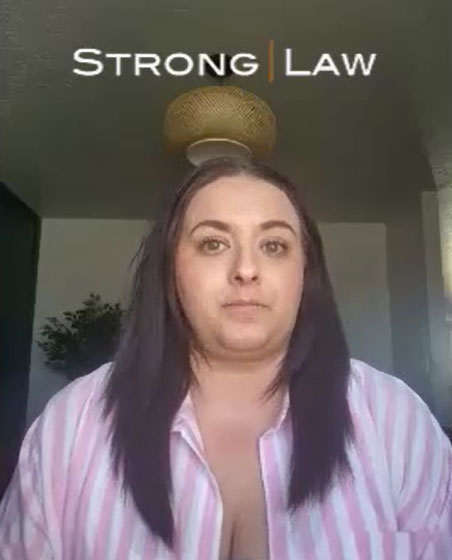


“Very professional, and treated me as an equal.”
"Just wanted to say thank you to Jed and his team at Strong Law. Not only was I happy with the outcome, but the entire process as a whole. I would definitely recommend this firm to anyone. Thanks again."
“Unbelievable work!”
"I had a claim involving my own insurance company. I tried to negotiate with them, and they completely denied my claim – two times. I then hired Strong Law, and the change was instant. The insurance company immediately began negotiating, and Jed was able to secure an unbelievably good settlement. I will never again attempt to take-on an insurance company without Strong Law in my corner. Thank you!"

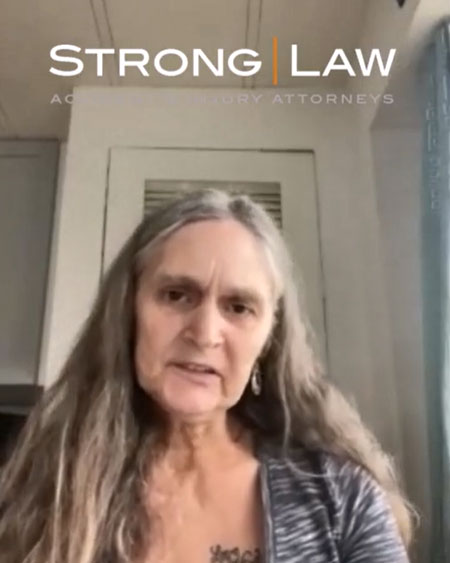
“I got justice and awesome compensation.”
"I hired Strong Law after my car accident. Jed and his team worked hard on my case. They were professional and compassionate through my surgery and as I recovered, and they were awesome on communication. I got justice and awesome compensation. I would recommend Strong Law to anyone in my situation."

Salt Lake City Work Injury FAQs
You may have some nagging questions about your work injury. Below are answers to some common FAQs.
Does your employer have to get workers’ compensation insurance?
Employers are legally obligated to get workers’ compensation benefits through a workers’ compensation policy attained through a licensed Utah workers’ compensation carrier. Employers can also get self-funded workers’ compensation programs, but only after getting the necessary authorization from the Utah Labor Commission.
What makes you an employer?
Any expressed, tacit, verbal, or written contract of hire creates an employer-employee relationship.
Are you covered if you work out of state?
In a few instances, Utah workers still benefit from Utah’s workers’ compensation laws when they work out of state.
Remember that states with reciprocal workers’ compensation agreements do not provide benefits to Utah workers who are injured while working for a while in those states. These include Wyoming, Montana, Idaho, Nevada, North Dakota, South Dakota, Maryland, Texas, Washington, Tennessee, West Virginia, California, and Oregon.
Besides that, Utah workers who are employed or often work in Utah can only be covered by Utah workers’ compensation law if they get injured during the first six months of working outside the state.
In exceptional circumstances, employers may increase coverage past six months via the Utah Labor Commission.
Which injuries and diseases can you claim through Utah workers’ compensation laws?
Accidental worker injuries that were not self-inflicted and that take place during the ordinary course of employment are protected by Utah’s workers’ comp laws.
Diseases and illnesses as a result of your employment and that are directly caused or worsened by your employees are also covered.
How can you determine who the workers’ compensation insurance carrier is for your employer?
Your employer has to display its workers’ compensation insurance carrier’s details at the employment site or mention that it is self-insured.
How long are you required to work to claim workers’ compensation?
Protection starts as soon as you commence work. You can claim workers’ compensation benefits for work-related injuries and sicknesses even if you have only been working for a short time or work only on a part-time basis.
Can your claim be denied because you were at fault for the injury?
Workers’ compensation operates on a no-fault system. That said, workers’ compensation does provide for self-inflicted injuries that were done on purpose. Disability compensation (excluding medical benefits) could be reduced for injuries arising from alcohol or drug abuse. Furthermore, disability compensation can go down by 15% for deliberately not using safety devices or following safety rules.
If you have any further questions, feel free to reach out. We will help ensure the best outcome for your situation.

Why Choose Us as Your Salt Lake City Work Injury Lawyers?
It takes a lot of time and effort to get back on your feet after an injury. Why add more stress and frustration to your life by handling your own legal matters? Our lawyers have the necessary skills and experience to fight your case.
Here are some reasons why we are more than capable of doing just that:
We Get Results: Our results speak for themselves. We pride ourselves on our 98% success rate. Previously, we represented insurance companies, giving us an edge in knowing how they operate. We are lawyers who win at trial, so we are fearless in litigating if needs be.
Many of our cases have been settled at over a million dollars. While we cannot guarantee that amount on every matter, not every firm can boast of this kind of return. We have the strategy, experience, and steadiness to get these results.
One of our client’s husbands succumbed to injuries sustained from debris falling from a poorly maintained roof. Through our legal intervention, she was awarded 1.5 million in damages.
Client Testimonials: Word of mouth is a good indicator of how satisfied your clients are. Our clients have only the highest praise for us because we put them first.
Let’s look at some reviews:
“Unbelievable work! I had a claim involving my own insurance company. I tried to negotiate with them, and they completely denied my claim – two times. I then hired Strong Law, and the change was instant. The insurance company immediately began negotiating, and Jed was able to secure an unbelievably good settlement. I will never again attempt to take-on an insurance company without Strong Law in my corner. Thank you!” – Jonathon S.
“I want to thank Jed and Tory of Strong Law for their outstanding help with my case. The attention to detail and keeping me informed at all times made for a positive outcome. Thank you again for your help, determination, and hard work. I would not hesitate to recommend you to anyone in need of an excellent lawyer.”– Jaretta O.
Our Leadership: Jed Strong is our founder at Strong Law. He is compassionate to accident victims and their families because he understands what a traumatic experience is. This motivates him to fight for his clients so that they can recover the compensation they are entitled to.
Before acting for accident victims, Jed worked as an in-house attorney at GEICO insurance company. After learning the ins and outs of insurance companies, he resigned and began acting for accident victims.
“One of the main reasons I left GEICO and founded Strong Law is that working for an insurance company made me almost feel dirty. Whenever I would get a “good” result for the insurance company, it just meant that I assisted the company in preventing an injured person from recovering the compensation they were due. I quickly decided that the insurance companies had plenty of attorneys, and I could be a much greater help to society by putting my skills and talents to work for injured people, rather than insurance companies.” – Jed Strong
Let Strong Law Handle Your Matter And Advocate for Your Compensation Rights and Entitlements
A work injury can have long-lasting effects. It can affect your income earning potential and could have a ripple effect on your family. Your only priority should be coming to terms with your injury and focusing on your recovery.
Our team at Strong Law can deal with the legal side of it. We have the necessary tools, expertise, and passion to fight for your rights and get you the compensation you are entitled to.
We offer empathy when listening to your matter. On the other hand, we take a no-nonsense approach when acting for you against the other side. If you are eager to put your matter into the right hands, you can count on us. Call Strong Law at (206) 737-3496 or visit our website today.
Get your free
Personal Injury consultation

How Strong Law will handle your case

We review reports, photos, witness statements, medical records, insurance letters, and other evidence to understand what happened and who may be responsible.

We review medical bills, lost income, future care, pain and suffering, property damage when applicable, and other losses tied to the claim.

We handle communication with insurers and push back against low offers, delays, and attempts to shift blame.

If the insurance company refuses to make a fair offer, we can file a lawsuit and prepare the case for court.
Insider experience
We Know How Insurance Companies Operate
Before founding Strong Law, attorney Jed worked as in-house counsel for GEICO, defending insurance companies in accident and injury claims. That experience helps our team understand how insurers evaluate claims, dispute injuries, and decide when to settle. We use that knowledge to build stronger claims for injured people.

No upfront fees
Zero Cost Unless You Win
You owe us nothing unless we recover compensation for you. There is no obligation to hire us after your consultation and no hidden attorney fees along the way.

First-Class Service
Legal Support That Goes Beyond the Basics
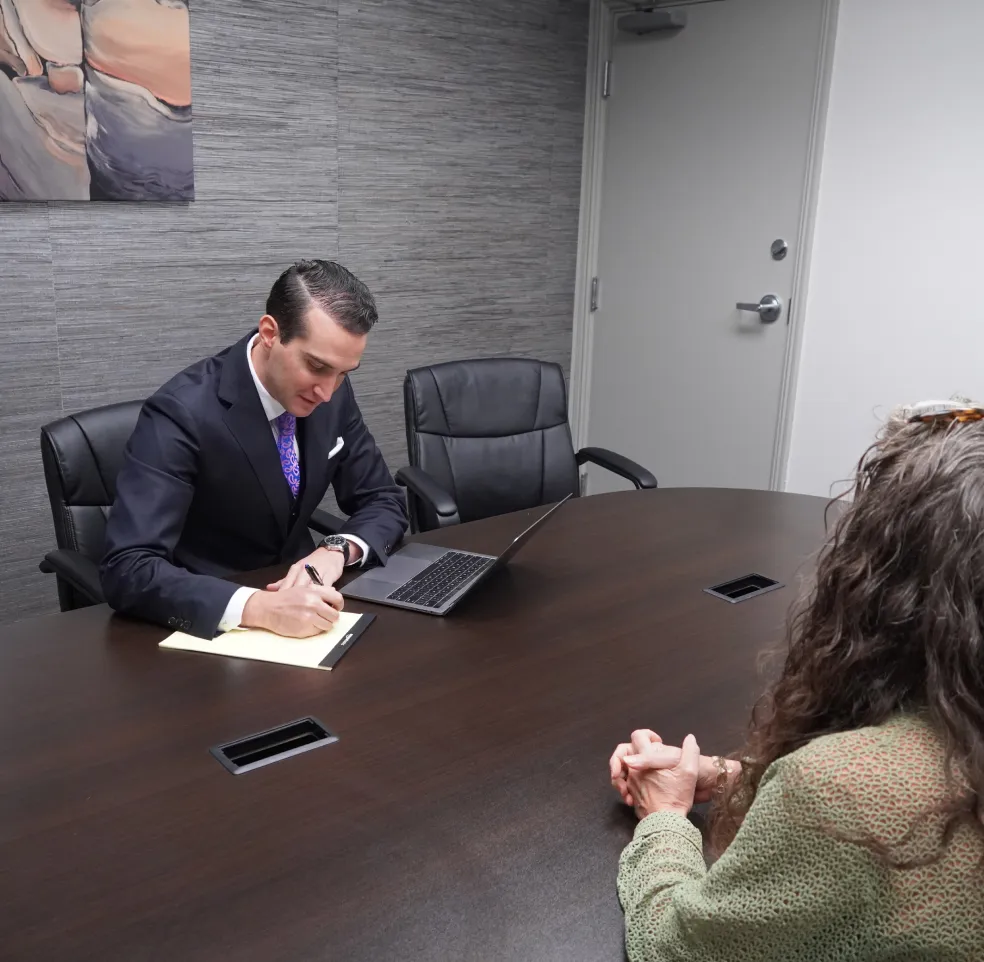
Our team does more than process paperwork. We answer your questions, explain your options, track important deadlines, and help you understand each step of the injury claim.

Start here
Get Your Free Case Evaluation Today
We will review your injury claim at no cost and explain your options clearly. The goal is to help you protect your health, your claim, and your financial recovery after a serious accident or injury.
Frequently asked questions
Have other questions? Get in touch with our team at info@stronglawattorneys.com
What Is the Value of My Case?

What Are Your Hours?
What Kinds Of Cases Are Personal Injury?
Will I Be Charged To Consult Or Talk With You?
What Does Contingency Mean?
Can You Give Me An Assessment Of My Case?
What Should I Do If I’m Having Problems, Like Their Insurance Company Is Calling Me?
What Are Common Reasons For Insurance Injury Denials?
How Long Does A Case Take To Settle?
Why Can Cases Last Years?
Contact us
Our team is standing by to help you.