
Salt Lake City Bicycle Accident Lawyer
Injured in a bicycle accident in Salt Lake City? Our local bicycle accident attorneys fight for your rights and maximum compensation.

A Salt Lake City bicycle accident lawyer helps injured cyclists prove how a crash happened, preserve the bicycle and electronic evidence, handle insurance disputes, and pursue compensation for medical care, lost income, pain, and damaged equipment.
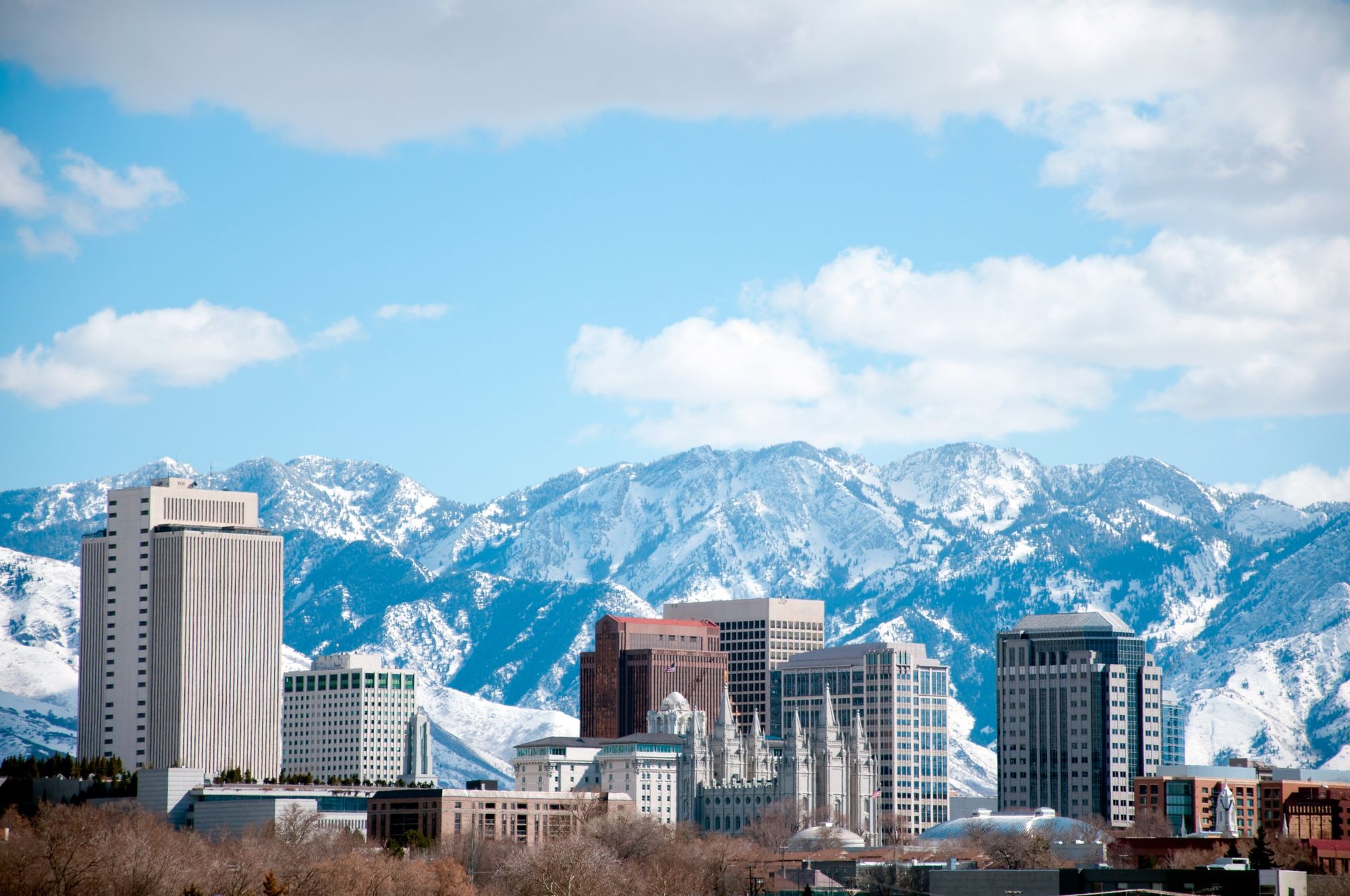
Strong Law Accident & Injury Attorneys serves Salt Lake City and Salt Lake County from its nearby Utah office in Midvale. We help people hurt while commuting, training, riding an e-bike, using a neighborhood route, or traveling through downtown traffic.
Bicycle cases are not simply car accident claims involving a smaller vehicle. The cyclist’s lane position, lights, route, GPS data, bicycle damage, and riding gear may all become part of the fault investigation.
For broader injury guidance, our Salt Lake City personal injury lawyer page explains the general claim process. Strong Law offers free case reviews, and you do not pay attorney fees unless compensation is recovered.
Do You Need a Lawyer After a Salt Lake City Bicycle Crash?
Legal help may be important when a crash caused emergency treatment, surgery, missed work, a concussion, fractures, scarring, or a dispute about fault.
A lawyer may also help when the driver left the scene, had too little insurance, was working at the time, or claims you were outside a bike lane, difficult to see, or responsible for the collision.
Early action can protect video, cycling-app data, road evidence, and the damaged bicycle. A quick settlement may leave future care, work problems, and the full value of the bicycle out of the claim.
How Do Utah Bicycle Laws Apply in Salt Lake City?
Under Utah Code § 41-6a-1102, a cyclist on a roadway generally has the rights and duties that apply to other vehicle operators, along with bicycle-specific rules.
When a cyclist lawfully uses a sidewalk, path, trail, or crosswalk, pedestrian-style duties may apply. These include yielding to people walking, giving a warning before passing, and traveling at a safe speed for the conditions.
Does Utah Require Drivers to Give Cyclists Three Feet?
Utah treats cyclists as vulnerable highway users. Under Utah Code § 41-6a-706.5, a driver may not knowingly, intentionally, or recklessly operate within three feet of a vulnerable road user or force that person off the road for a reason unrelated to public safety.
The rule may support a claim after an unsafe pass, but video, witnesses, road width, traffic speed, and vehicle position still matter.
Who Has the Right of Way When a Driver Crosses a Bike Lane?
Utah generally prohibits motor vehicles from driving in a bicycle lane except for limited reasons, such as crossing the lane to turn into an intersection, street, alley, driveway, or parking area.
When a driver crosses a bicycle lane for that purpose, Utah Code § 41-6a-710 requires the driver to yield to bicycle traffic already in the lane.
This rule can matter in right-hook crashes, driveway collisions, and cases where a driver turns across a marked bike lane.
When Can a Cyclist Use More of the Travel Lane?
A cyclist traveling below the normal speed of traffic generally rides as near the right side as practical. Utah law recognizes important exceptions.
Under Utah Code § 41-6a-1105, a rider may need more of the lane to pass, prepare for a turn, travel straight through a right-turn-only lane, avoid parked cars or debris, or use a lane that is too narrow for a bicycle and motor vehicle to travel safely side by side.
That matters when an insurer claims the cyclist was “too far into the lane.” Parked vehicles, drainage grates, construction, broken pavement, and road width may explain the rider’s position.
Can a Cyclist Treat a Stop Sign as a Yield?
In many situations, Utah allows a cyclist approaching a stop sign to slow to a reasonable speed, yield to pedestrians and traffic that create an immediate hazard, and proceed without making a complete stop.
This is not permission to ignore a stop sign. The cyclist must slow, yield when required, and enter the intersection carefully. The rule does not apply at an active railroad crossing.
Utah Code § 41-6a-1114 also requires specified front, rear, and side visibility equipment during low-light periods. A claimed equipment violation does not automatically decide fault. The issue is whether visibility or another act helped cause the crash.

Contents

Can You Ride a Bicycle on the Sidewalk in Downtown Salt Lake City?
Salt Lake City generally permits bicycles on sidewalks outside its designated downtown area. Within the downtown zone, sidewalk riding is prohibited.
On streets that form the border of the restricted area, the rule applies to the interior sidewalk but not the exterior sidewalk. The city gives 200 East as an example: cyclists may use the east sidewalk but not the west sidewalk.
Where sidewalk riding is allowed, cyclists must yield to pedestrians, give an audible warning before passing, and use care near driveways, crosswalks, and intersections.
You can review the city’s map and guidance on the Salt Lake City bicycle laws page.
A sidewalk violation may become part of a fault dispute, but it does not automatically excuse a driver who was distracted, speeding, or turning without looking.
Where and How Do Bicycle Crashes Happen in Salt Lake City?
Salt Lake City has downtown streets, neighborhood byways, shared lanes, trails, and bike lanes that cross busy intersections.
The 600 East Neighborhood Byway connects with bicycle routes on 200 South, 300 South, the 9 Line, 1300 South, 1700 South, and the S-Line. The city also publishes a Salt Lake City and Salt Lake County bikeways map.
A downtown crash may involve a turning driver, parked vehicle, delivery truck, rideshare pickup, bike lane, or the downtown sidewalk rule. A collision near Liberty Park, Sugar House, the Jordan River Parkway, or a neighborhood byway may involve a driveway, trail crossing, access point, or vehicle entering the cyclist’s path.
Common crash patterns include right hooks, left crosses, unsafe passing, dooring, rear-end impacts, and vehicles entering bike lanes.
A right hook happens when a driver turns right across the path of a cyclist who is continuing straight. A left cross occurs when an oncoming driver turns left through the cyclist’s path.
Utah also prohibits opening a motor-vehicle door into moving traffic unless it can be done safely and without interfering with traffic. This rule is found in Utah Code § 41-6a-1704.
Can You Bring a Claim After a No-Contact Bicycle Crash?
Yes. A driver does not have to strike the bicycle to cause a crash.
A cyclist may be forced into a curb, parked vehicle, barrier, pothole, or another object because a driver passed too closely, entered a bike lane, turned across the rider’s path, or opened a door.
These cases often depend on video, witnesses, cycling-app or GPS data, scrape marks, road measurements, and the cyclist’s immediate account of what happened.
What Insurance May Cover an Injured Cyclist?
The driver’s bodily-injury liability insurance is often the main source of compensation. Commercial or employer coverage may apply when the driver was working, making a delivery, or operating a company vehicle.
Utah PIP benefits may be available in some bicycle crashes involving an insured motor vehicle. Which policy applies and in what order can depend on the facts and policy terms. The relevant coverage rules appear in Utah Code § 31A-22-308.
Uninsured or underinsured motorist coverage may matter when the driver leaves, has no insurance, or carries limits that are too low. A household automobile policy may also be relevant in some cases. Utah’s uninsured-motorist rules are addressed in Utah Code § 31A-22-305.
Health insurance may pay treatment costs while the liability claim is pending. The property claim may include the bicycle, helmet, lights, clothing, phone, cycling computer, bags, child seat, and other equipment.
Strong Law reviews the available policies rather than assuming one source of coverage will automatically pay every loss.

What Evidence Helps Prove a Bicycle Accident Claim?
Useful evidence may include:
- Police and incident reports
- Scene photographs, measurements, and road-condition evidence
- Business, residential, traffic, dashcam, or action-camera video
- Witness names and statements
- The damaged bicycle, helmet, lights, clothing, and riding gear
- GPS, cycling-app, phone, smartwatch, or bike-computer data
- Vehicle, employment, phone, or delivery-app records
- Medical records, wage records, repair estimates, and receipts
Do not repair, discard, or release the bicycle for destructive inspection before it is fully documented.
Save pre-crash photographs, upgrade receipts, service records, serial numbers, manufacturer information, and a detailed estimate from a qualified bicycle shop.
How Do Insurance Companies Try to Blame Cyclists?
An insurer may claim the cyclist was outside a bike lane, too far into traffic, riding against traffic, difficult to see, distracted, or missing required lights.
The adjuster may also argue that the cyclist failed to yield, entered a crosswalk too quickly, ignored a stop sign, or made an unsafe movement. GPS data, social media, helmet use, prior medical records, and bicycle modifications may be raised even when those facts did not cause the crash.
Insurers may request a recorded statement before the cyclist knows all the facts or understands the full medical impact. They may also challenge the cost of a high-end bicycle, upgraded parts, electronics, or riding equipment.
These arguments should be tested against the road layout, traffic movement, video, physical damage, Utah law, and the cyclist’s actual route.
Before representing injured people, attorney Jed Strong worked as in-house counsel for GEICO. That experience helps Strong Law recognize blame-shifting, incomplete coverage reviews, quick settlement pressure, and efforts to reduce the value of an injury or property claim.
What If the Cyclist Was Partly at Fault?
Utah uses comparative fault. Under Utah Code § 78B-5-818, recovery may be available when the combined fault assigned to the defendants and other responsible parties is greater than the cyclist’s own fault.
Compensation may then be reduced by the cyclist’s percentage of fault. If total damages were $100,000 and the cyclist were assigned 20% of the fault, the recovery could be reduced to $80,000.
An insurance company’s fault decision is not final. Video, physical evidence, witnesses, road measurements, and electronic data may support a different conclusion.
What Injuries and Compensation Can a Claim Include?
Bicycle crashes can cause concussions, traumatic brain injuries, facial injuries, fractures, spinal damage, torn ligaments, internal injuries, nerve damage, road rash, scarring, and permanent disability.
Head trauma may involve the diagnosis and cognitive evidence discussed on our Salt Lake City brain injury lawyer page.
Permanent disability may overlap with a Salt Lake City catastrophic injury claim. Fatal bicycle crashes can raise the heir, estate, and survival issues explained on our Salt Lake City wrongful death lawyer page.
Economic losses may include medical care, future treatment, lost wages, reduced earning ability, bicycle repair or replacement, damaged equipment, transportation, and other out-of-pocket costs.
Non-economic losses may include pain, emotional distress, scarring, disability, and loss of enjoyment of life.
There is no fixed formula or reliable average value for every bicycle claim. Value depends on the injuries, recovery, future care, lost income, fault evidence, available insurance, property loss, and the way the crash changed the cyclist’s life.
We’ve helped thousands of accident victims like you
we win
98%
4.9
stars
over
2,000


“Very professional, and treated me as an equal.”
"Just wanted to say thank you to Jed and his team at Strong Law. Not only was I happy with the outcome, but the entire process as a whole. I would definitely recommend this firm to anyone. Thanks again."
“Unbelievable work!”
"I had a claim involving my own insurance company. I tried to negotiate with them, and they completely denied my claim – two times. I then hired Strong Law, and the change was instant. The insurance company immediately began negotiating, and Jed was able to secure an unbelievably good settlement. I will never again attempt to take-on an insurance company without Strong Law in my corner. Thank you!"
“I got justice and awesome compensation.”
"I hired Strong Law after my car accident. Jed and his team worked hard on my case. They were professional and compassionate through my surgery and as I recovered, and they were awesome on communication. I got justice and awesome compensation. I would recommend Strong Law to anyone in my situation."
How Is an Expensive Bicycle or E-Bike Valued?
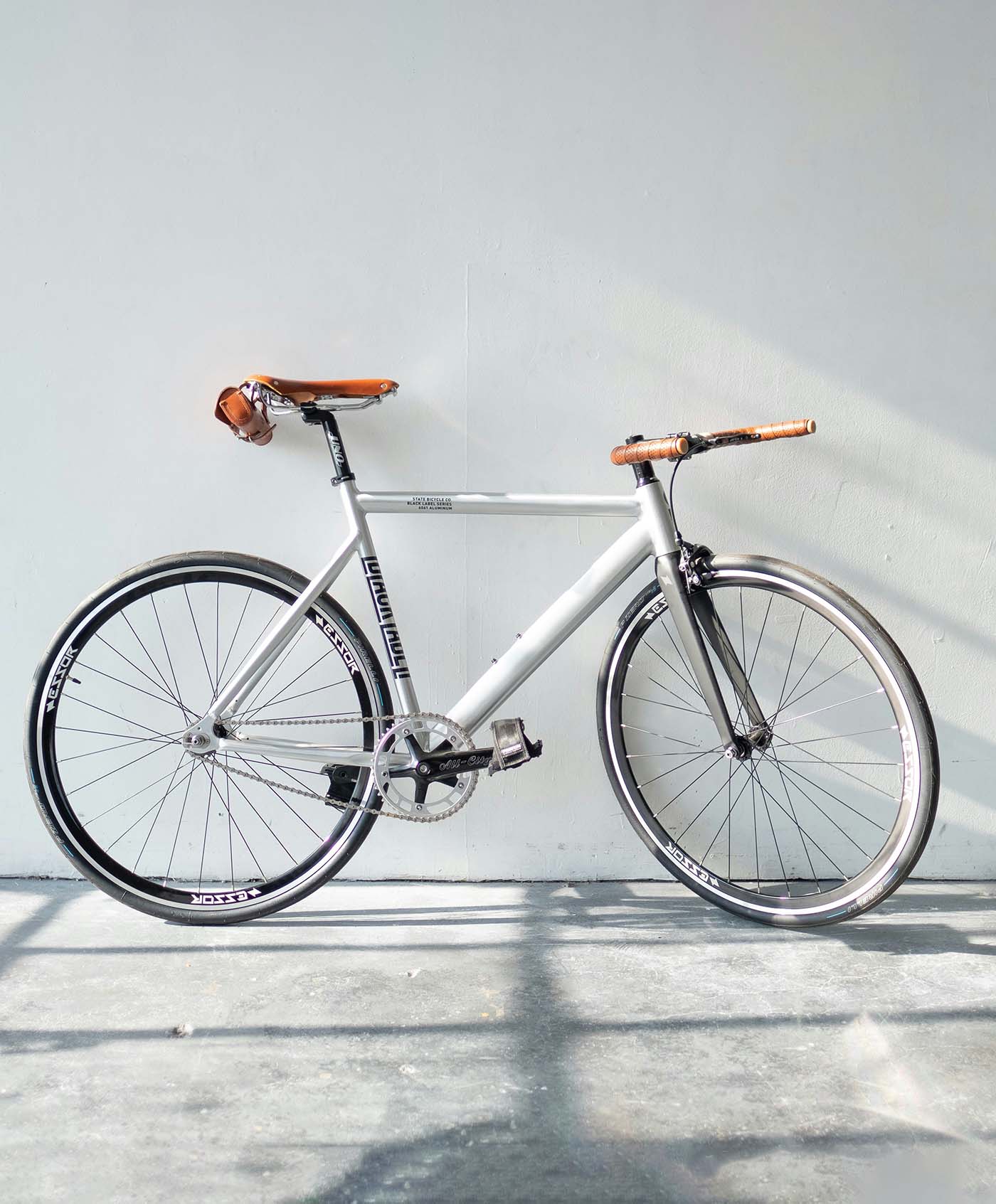
An insurer may look only at the bicycle’s age or a basic used-bike value. That can leave out custom wheels, upgraded components, a power meter, racks, bags, electronics, professional fitting, and recent service work.
Useful proof includes the original invoice, component receipts, photographs, service records, serial number, manufacturer information, and a repair or replacement estimate from a qualified bicycle shop.
A qualifying electric-assisted bicycle is generally subject to bicycle rules, but device classification, motor output, assisted speed, modifications, rider age, and where the device was being used can affect an e-bike claim.
Utah’s electric-assisted bicycle rules appear in Utah Code § 41-6a-1115.5.
What Should You Do After a Salt Lake City Bicycle Crash?
- Call 911 and report the crash. Ask law enforcement to document the driver, witnesses, roadway, and bicycle.
- Get medical care. Head, spine, internal, and soft-tissue injuries may not be clear at the scene.
- Photograph the area. Capture the vehicles, bicycle, bike lane, signals, signs, debris, lighting, road defects, and injuries.
- Get driver and witness information. Preserve names, insurance information, and contact details.
- Protect the bicycle and gear. Avoid repairs, disposal, or destructive testing before the damage is documented.
- Save electronic data. Preserve GPS, cycling-app, phone, smartwatch, bike-computer, and camera files.
- Keep records. Save medical papers, wage information, receipts, estimates, and insurer messages.
- Be careful with adjusters. Do not guess about speed, lane position, visibility, or fault.
How Long Do You Have to File a Salt Lake City Bicycle Accident Claim?
Many Utah negligence-based bicycle injury lawsuits are generally subject to a four-year filing period under Utah Code § 78B-2-307.
Product, professional-negligence, insurance, workplace, and other specialized claims may follow different rules.
If a city, county, public employee, public vehicle, or another governmental entity may be legally responsible, Utah Code § 63G-7-402 may require a formal notice of claim within one year. Other rules control when a lawsuit may be filed.
Waiting can weaken the case long before a deadline expires. Video can be overwritten, road conditions can change, and the bicycle may be repaired or discarded.
How Does a Salt Lake City Bicycle Accident Claim Move Forward?
The process begins with a review of the crash, injuries, insurance coverage, property loss, and evidence that may still exist. Strong Law can identify urgent preservation needs and the people, companies, or public entities that may share responsibility.
The investigation may include reports, video, electronic data, witnesses, vehicle records, road information, medical records, and inspection of the bicycle and equipment.
Once the evidence and medical picture are clear enough, the claim can be presented to the insurers with documentation of fault, treatment, lost income, future needs, and property loss.
A lawsuit may be needed if the other side denies responsibility or refuses a fair resolution.
Why Choose Strong Law for a Salt Lake City Bicycle Claim?
A bicycle accident lawyer should understand Utah cyclist laws, Salt Lake City’s sidewalk rules, no-contact crashes, bicycle evidence, insurance coverage, and the ways insurers try to blame riders.
Strong Law builds the claim around the cyclist’s actual route, lane position, equipment, electronic data, injuries, and property loss.
Our Utah office is in Midvale and serves clients throughout Salt Lake City and Salt Lake County. Strong Law has handled more than 2,000 successful cases across its offices. Our Midvale office has a 4.8-star Google rating from 162 reviews.
We offer free case reviews and handle bicycle injury claims on a contingency fee basis. There are no upfront attorney fees or hourly bills. The exact attorney fee and any case-cost terms are explained before you hire the firm. Attorney fees are not owed unless compensation is recovered.
Frequently Asked Questions About Salt Lake City Bicycle Accident Claims
Can I ride a bicycle on the sidewalk in downtown Salt Lake City?
Salt Lake City generally allows bicycles on sidewalks outside its designated downtown area. Sidewalk riding is prohibited within the downtown zone. On border streets, the restriction applies to the interior sidewalk but not the exterior sidewalk. Where sidewalk riding is allowed, cyclists must yield to pedestrians, warn before passing, and use care near intersections and driveways.
Does a driver have to hit my bicycle for me to have a claim?
No. A driver may cause a crash by passing too closely, turning across the cyclist’s path, entering a bike lane, opening a door, or forcing the bicycle off the road.
Does Utah require drivers to give cyclists three feet?
Utah law prohibits a driver from knowingly, intentionally, or recklessly operating within three feet of a vulnerable road user. Fault still depends on the road, traffic, vehicles, and available evidence.
Can I recover if I was outside the bike lane?
Possibly. Utah law allows cyclists to use more of the lane when the lane is too narrow or when the rider must avoid a hazard, pass, travel straight through a right-turn-only lane, or prepare for a turn.
What if the driver says I ran a stop sign?
Utah allows cyclists in many situations to slow, yield, and proceed without making a complete stop. The cyclist must still yield to pedestrians, traffic already in the intersection, and oncoming traffic that creates an immediate hazard.
What insurance covers an injured cyclist?
Possible coverage may include the driver’s liability insurance, PIP in some motor-vehicle crashes, UM/UIM coverage, commercial policies, household auto coverage, health insurance, and property coverage. The available policies and facts of the crash control.
What if the driver left the scene?
Report the crash promptly and preserve video, witnesses, debris, vehicle descriptions, and license-plate details. Uninsured-motorist coverage may be available under a policy that covers the cyclist.
Can I recover the cost of my bicycle and riding gear?
A property claim may include the bicycle, upgraded components, electronics, helmet, clothing, bags, lights, child seats, and other equipment. Receipts, photographs, service records, and bicycle-shop estimates can help prove value.
How long do I have to file a bicycle accident claim in Utah?
Many negligence-based claims generally have a four-year filing period. Government, product, workplace, insurance, and other specialized claims may have different or shorter requirements.
How much does a bicycle accident lawyer cost?
Strong Law handles bicycle injury claims on a contingency fee basis. There are no upfront attorney fees or hourly bills, and attorney fees are not owed unless compensation is recovered.
Where is Strong Law’s Utah office?
Strong Law’s Utah office is in Midvale. From that office, we serve clients throughout Salt Lake City, Salt Lake County, and nearby communities.
Speak With a Salt Lake City Bicycle Accident Lawyer
A bicycle crash can leave you facing serious injuries, missed work, a damaged bicycle, and an insurer trying to place the blame on you.
Strong Law can preserve evidence, investigate fault and coverage, document the injuries and property loss, and help protect the claim.
Contact Strong Law Accident & Injury Attorneys or call 206-741-1053 for a free case review. You do not pay attorney fees unless compensation is recovered.
Get Your Free
Case Review

How Strong Law will handle your case

We review reports, photos, video, witness information, medical records, and other evidence to identify what happened and who may be responsible.

We gather medical, wage, property, and daily-life evidence to show how the injury or loss affected the client.

We identify available insurance, manage insurer communication, and respond to delays, low offers, and attempts to shift blame.

If the other side denies responsibility or refuses a fair resolution, we can file a lawsuit and prepare the case for court.
Insider experience
We Know How Insurance Companies Operate
Before founding Strong Law, attorney Jed worked as in-house counsel for GEICO, defending insurance companies in accident and injury claims. That experience helps our team understand how insurers evaluate claims, dispute injuries, and decide when to settle. We use that knowledge to build stronger claims for injured people.

No upfront fees
Zero Cost Unless You Win
You owe us nothing unless we recover compensation for you. There is no obligation to hire us after your consultation and no hidden attorney fees along the way.

First-Class Service
Legal Support That Goes Beyond the Basics
Our team does more than process paperwork. We answer your questions, explain your options, track important deadlines, and help you understand each step of the injury claim.

Start here
Get Your Free Case Evaluation Today
We will review your injury claim at no cost and explain your options clearly. The goal is to help you protect your health, your claim, and your financial recovery after a serious accident or injury.
Contact us
Our team is standing by to help you.