Midvale Dog Bite Lawyer for Injury Claims
A Midvale dog bite lawyer can help you understand the evidence, insurance, and legal issues after a dog injury. Strong Law offers a free review for injured adults and families.

How can a Midvale dog bite lawyer help?
A Midvale dog bite lawyer can investigate the incident, review who may be responsible, and document the harm caused by a dog. Strong Law Accident & Injury Attorneys helps people seek compensation for supported medical costs, lost income, scarring, and other losses.
Our Utah office is at 193 E Fort Union Boulevard, Midvale, UT 84047. Call 385-746-1803 or request a free consultation. We can review the facts even if you know the owner or are unsure whether insurance applies.
What should you do after a dog bite?
- Move to safety and get medical care. Call 911 for a severe injury or immediate danger.
- Wash the wound with soap and water if you can do so safely.
- Ask for the owner’s contact details and the dog’s vaccination records.
- Report the incident to the appropriate animal-control agency.
- Save photos, witness details, medical records, and insurer messages.
Do not approach or try to capture a loose dog to gather evidence. Tell a healthcare professional what happened and follow their advice about wound care, infection, tetanus, and rabies risk. The CDC’s rabies guidance explains why a possible exposure needs prompt professional assessment.
Where should you report a bite in Midvale?
Salt Lake County Animal Services serves Midvale and lists 801-840-4000 for 24-hour officer dispatch. Give the date, location, description of the dog, owner information if known, and a factual account. Ask for the incident number and how to obtain a report.
A report helps document the event. It does not replace medical care or automatically resolve a civil claim. Our Midvale personal injury page explains the broader legal process.


Who can be responsible for a dog injury in Utah?
Utah Code section 18-1-1 generally imposes liability for injuries caused by a dog without requiring proof that the dog had a dangerous history or that the owner knew of one. This is often called strict liability. A first incident can still support a claim.
The statute has exceptions, and comparative fault can affect damages. Strict liability does not mean every reported injury leads to payment. We review how the dog caused the injury, who was legally responsible, the losses, and any applicable defenses.
Does the dog have to bite you?
Not necessarily. The statute concerns injuries caused by dogs, not only bite wounds. A knockdown or another dog-caused event may warrant review. The connection between the dog’s conduct and your injury still needs evidence.
What if the owner says you caused the incident?
Explain exactly what happened before, during, and after the encounter. Witnesses, video, photos, and the physical setting may help resolve disputes. Do not accept a blame allegation as the final legal answer, but do not leave out facts that may be unfavorable.
Under Utah’s comparative fault framework, your fault must be less than the combined fault of the other responsible parties to recover, and your share reduces an award. Applying that rule to a child or a disputed animal encounter requires a careful review of the circumstances.
Can someone other than the owner be liable?
Possibly, but the legal basis must be established. A person supervising the dog, a business, or a property owner may raise different questions. Merely owning the location where an injury occurred does not automatically make someone liable for a dog. We review control, duties, knowledge where relevant, and the available evidence.

What evidence helps a Midvale dog injury claim?
Evidence should explain both the encounter and its effects. Memories fade, wounds change, and video may be overwritten. Preserve what you already have and ask promptly about records that someone else controls.
- Incident details: the date, time, exact location, and what each person observed.
- Dog and owner information: contact details, identifying features, and available vaccination records.
- Photos: injuries, torn clothing, the setting, and relevant fences, gates, or signs.
- Witnesses and video: names, contact details, and possible camera locations.
- Official records: animal-control or police reports and related case numbers.
- Loss records: medical visits, bills, work restrictions, and out-of-pocket expenses.
Why does the location matter?
An encounter near the Jordan River Parkway, at a home in Bingham Junction, or during a delivery near Fort Union Boulevard may involve different witnesses and records. Note the specific address or trail location rather than only naming Midvale. This helps identify the relevant property, agency, and possible video sources.
How should you record healing?
Keep dated photographs and brief notes about symptoms, treatment, and daily limits. Save original files rather than editing them. If a clinician recommends follow-up for a scar, nerve symptoms, or loss of movement, keep those records as well.
Describe what you experience without diagnosing yourself. For a child, record practical changes such as sleep problems, missed school, or fear during ordinary routines, and share concerns with the child’s healthcare team. Honest records should include improvement as well as continuing difficulties.
How To Get Started
Step #1
Request a free review and share the incident date, location, injuries, and any report number.
Step #2
We examine responsibility, insurance, medical records, and deadlines, then identify further evidence.
Step #3
If we accept the claim, we explain the written fee agreement and keep you informed as the case develops.
What losses can a dog bite claim include?
A dog injury can create costs beyond the first medical visit. A claim may include documented treatment, lost income, pain, emotional distress, scarring, and other supported effects. Future losses need a reasonable medical and financial basis.
Medical treatment and lasting symptoms
Records may include emergency care, follow-up visits, medication, therapy, and recommended procedures. If symptoms affect hand function, walking, work, or daily tasks, ask the treating provider to assess them. Your lawyer gathers evidence; your healthcare team determines treatment.
Scarring and possible future care
Save clear photos over time and records of specialist advice. A scar’s appearance and effect may change during healing. Do not assume a procedure is necessary, available, or certain to remove a scar. The claim should reflect the provider’s assessment of realistic options and expected costs.
Work and emotional effects
Pay records and employer confirmation can help show missed work. Medical restrictions and job duties may explain longer limits on earning ability. If fear, anxiety, or sleep problems persist, discuss them with a healthcare professional and keep relevant treatment records.
There is no fixed value for a bite or a scar. The evidence, severity, recovery, fault, coverage, and applicable law all affect the claim. We explain the basis for a demand and the issues that may be disputed.
When an injury causes major lasting disability or extensive care needs, our Midvale catastrophic injury page discusses future-care planning. A dog-caused fall with head trauma may also raise the issues covered on our brain injury page.
Will insurance cover the claim?
Homeowners, renters, business, or animal-liability insurance may apply, depending on the policy and the facts. Coverage is not automatic. Exclusions, policy limits, who is insured, and where the incident occurred can affect the available payment.
What if the dog belongs to a friend or neighbor?
We can review insurance and explain how a claim may proceed. Knowing the owner does not erase your injury, but we cannot promise that a claim will have no personal effect on them. Coverage and responsibility should be evaluated before making that assumption.
Save claim numbers, letters, and requests for statements or medical records. Be truthful in all communications. Ask about the scope of a request before signing a broad release of information or accepting a settlement.
What if there is no identified owner or no coverage?
Provide the report number, description of the dog, witness information, and any other useful leads. Animal-control records may help identify the dog or owner. We review possible recovery sources without promising that insurance or collectible assets exist.
How are children’s claims handled?
A child’s claim needs attention to treatment, future development, who may act for the child, and any required settlement approval or protection of funds. A parent should not assume that signing an insurer’s form fully resolves those issues.
We review the medical outlook before evaluating a final offer. Some questions may remain open as a child heals. Preserving evidence and meeting deadlines can proceed while care continues. The child’s age does not justify delaying all legal review.
When should you contact a dog bite lawyer in Midvale?
Ask promptly about evidence, insurance notices, and filing deadlines. The applicable time limit depends on the legal basis of the claim and the parties involved. A statutory dog-injury claim may raise a different deadline analysis from an ordinary negligence claim.
Do not assume that a general four-year personal injury rule applies to every dog injury. Government involvement, a child’s claim, and other circumstances can add further issues. Reporting the bite or negotiating with an insurer does not by itself preserve every legal deadline.
The Utah courts’ statute-of-limitations guide explains why the correct claim and starting date matter. We review your incident date and the relevant facts before advising on the time available.
What happens in a free consultation?
We ask how the injury occurred, what care you received, whether the dog and owner are known, and which insurers have contacted you. Bring what you have, including photographs and report numbers. You do not need a complete file to ask for help.
We explain possible next steps in plain language. If we accept the case, a written agreement sets out fees and expenses. We keep you informed about evidence requests, offers, and decisions. You decide whether to accept a proposed settlement after its terms are explained.
Call 385-746-1803 for a free review. For nearby claims, see our Salt Lake City dog bite page and Utah dog bite overview.
Midvale dog bite questions
Can I bring a claim after a first-time bite?
Potentially. Utah law generally does not require proof of a previous bite or a known dangerous history. The facts, statutory exceptions, fault, and evidence of injury still need review.
What if the dog knocked me down without biting?
A dog-caused injury may support a claim even without a bite. We review how the dog caused the fall or other harm and whether the relevant legal requirements are met.
Will reporting the bite decide what happens to the dog?
Animal-control and public-health officials make those decisions under the applicable rules and facts. A civil compensation claim is a separate process. Your lawyer cannot promise a particular outcome for the animal.
Can I settle my child’s claim directly with the insurer?
Get advice before signing a release. A child’s claim can involve legal authority, court approval, protection of settlement funds, and future-care questions. A parent’s signature alone may not resolve every requirement.
What does a Midvale dog bite attorney cost?
Strong Law offers a free consultation and handles injury cases on a contingency fee basis. Attorney fees depend on a recovery. The written agreement explains the fee and how case expenses are handled.
Where is your Utah office?
Our Utah office is at 193 E Fort Union Boulevard, Midvale, UT 84047. Call 385-746-1803 to arrange a consultation and discuss your dog injury claim.
Contact Strong Law for a free review of your dog injury claim.
We’ve helped thousands of accident victims like you
we win
98%
4.9
stars
over
2,000
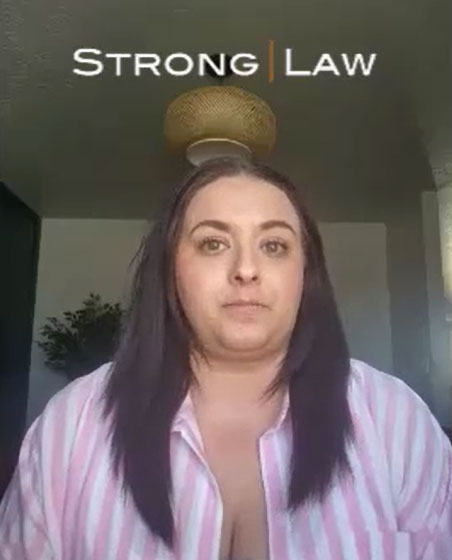


“Very professional, and treated me as an equal.”
"Just wanted to say thank you to Jed and his team at Strong Law. Not only was I happy with the outcome, but the entire process as a whole. I would definitely recommend this firm to anyone. Thanks again."
“Unbelievable work!”
"I had a claim involving my own insurance company. I tried to negotiate with them, and they completely denied my claim – two times. I then hired Strong Law, and the change was instant. The insurance company immediately began negotiating, and Jed was able to secure an unbelievably good settlement. I will never again attempt to take-on an insurance company without Strong Law in my corner. Thank you!"
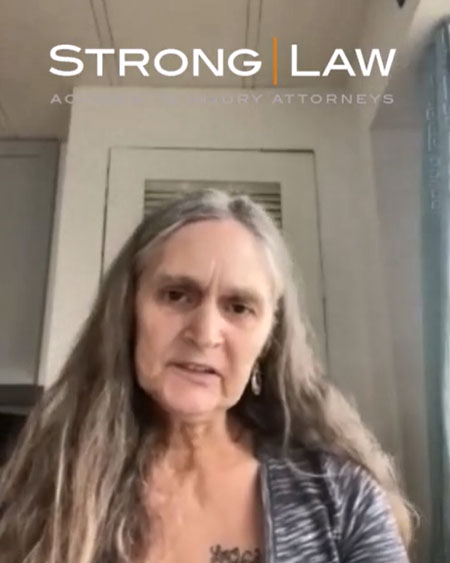
“I got justice and awesome compensation.”
"I hired Strong Law after my car accident. Jed and his team worked hard on my case. They were professional and compassionate through my surgery and as I recovered, and they were awesome on communication. I got justice and awesome compensation. I would recommend Strong Law to anyone in my situation."
Get Your Free
Case Review

Contact us
Our team is standing by to help you.