Treatment and recovery
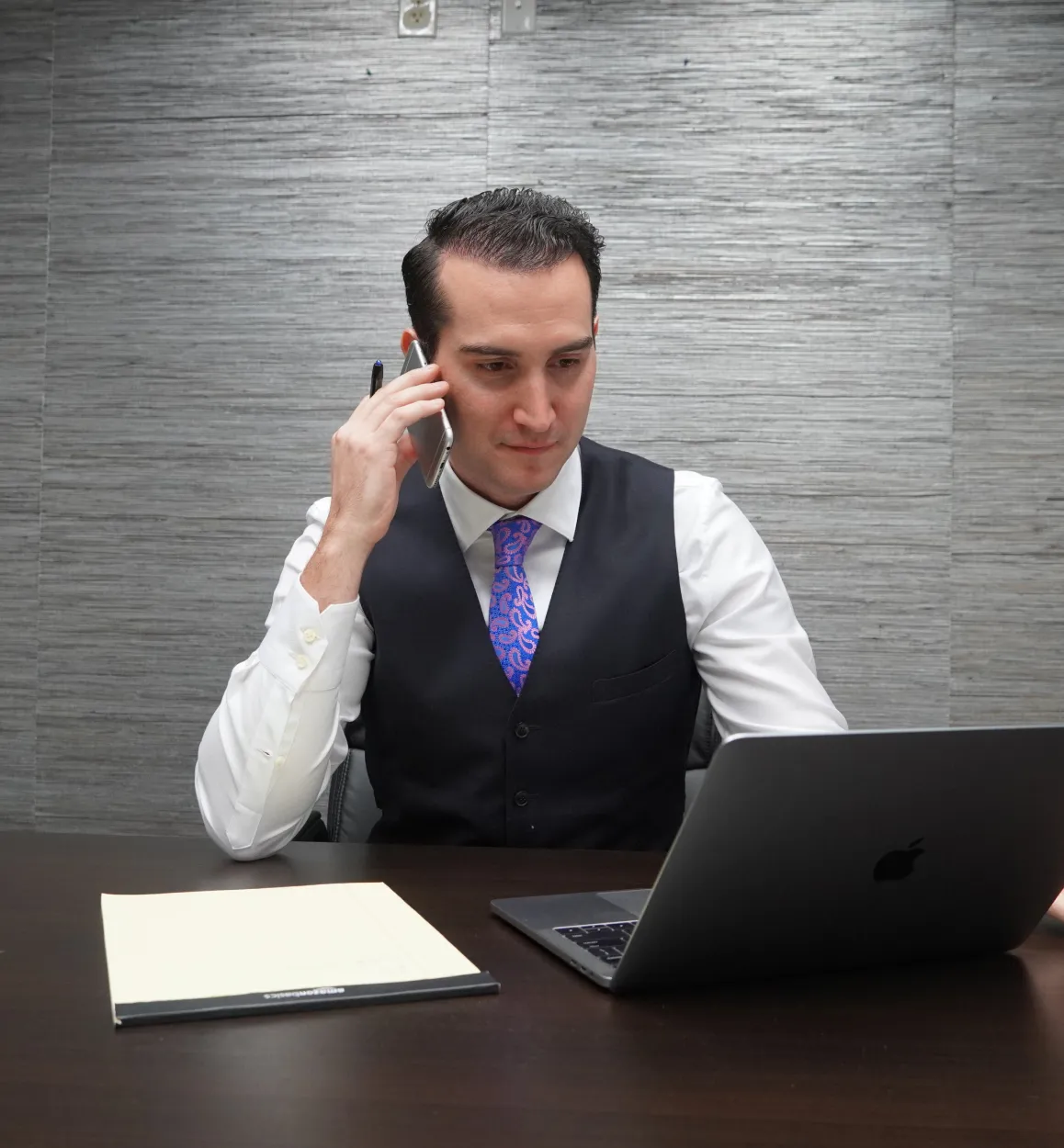
Emergency care, follow-up visits, surgery, medication, and rehabilitation can be documented through bills and medical records. Future care needs a reasonable medical basis.
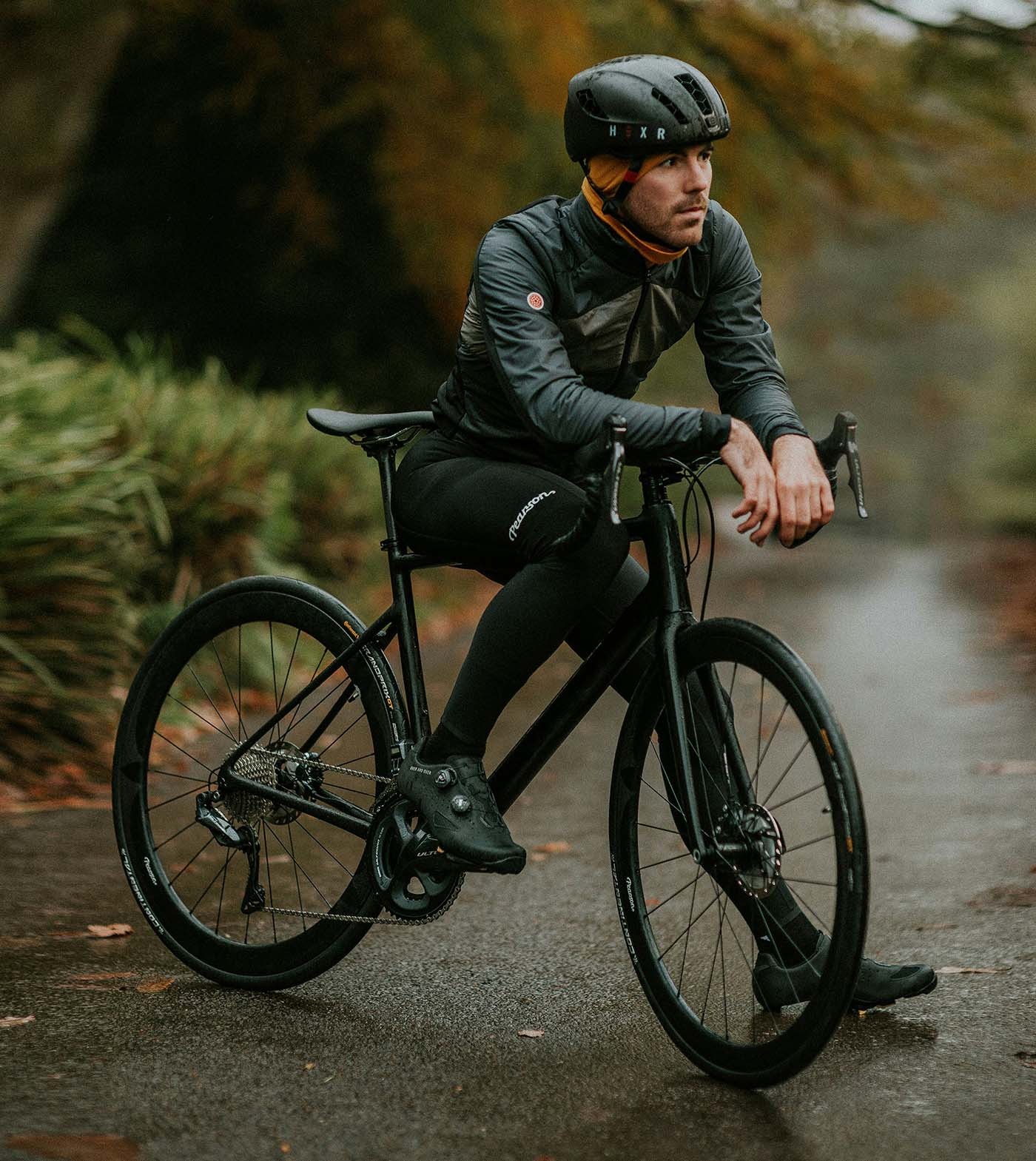
A bicycle crash can interrupt far more than your next ride. Medical bills arrive, work becomes difficult, and an insurer may question your lane position before asking how you are doing. A Midvale bicycle accident lawyer can take those claim questions off your shoulders while you focus on care.
Strong Law Accident & Injury Attorneys investigates how the crash happened, identifies insurance that may apply, and builds a claim around your injuries and losses. We explain offers in plain language and challenge fault allegations with evidence. You remain in control of the decision to settle.
Our Utah office is at 193 E Fort Union Boulevard, Midvale, UT 84047. Call 385-746-1803 or request a free case review. Bring the records you have; you do not need a complete file before asking for help.

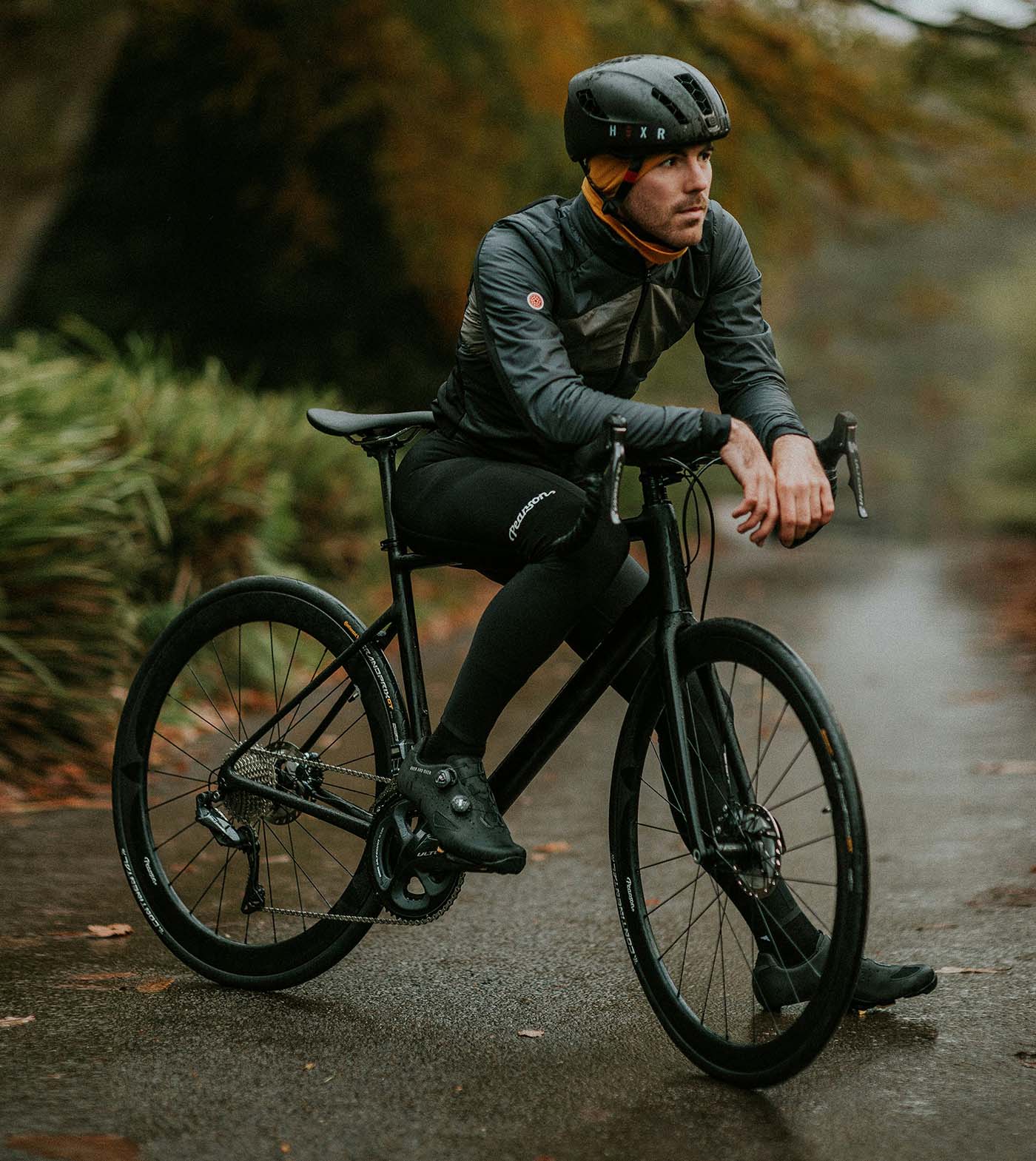
A driver turning across your path, passing too closely, or pulling out of a driveway can leave little time to react. The most useful question is what happened in your crash. We review the movements of the rider and driver, the available view, and the traffic controls at that location.
On State Street and Fort Union Boulevard, a bicycle collision may involve turning traffic or a business entrance. A neighborhood crossing or access point near the Jordan River Parkway can raise different questions. Naming the road does not prove fault; the exact crossing, direction of travel, and timing matter.
These are examples, not findings about any particular case. Our Midvale car accident team reviews related driver and insurance issues.
You can contact a bicycle accident attorney while you are still treating. Early work may protect a camera recording, identify the vehicle, or document the bike before a repair changes the evidence. It does not mean you must settle before the medical outlook is clear.
Call 911 for injuries or immediate danger and follow responders’ instructions. Do not step into traffic for photographs or try to move a damaged bicycle if doing so puts you at risk. Ask a trusted person to help gather information if you are receiving care.
Be accurate when describing the crash. If you do not remember a detail, say so. A report can help establish what happened, but a civil claim may require more evidence.

A bent wheel, a damaged frame, or a torn jersey may show the point of contact and the force involved. Keep these items available until the evidence needs are reviewed. Store clear photographs of the damage and retain repair estimates and purchase records.
We compare physical evidence with witness accounts, scene photographs, available video, and the incident report. Signal timing, lane markings, sight lines, and the position of vehicles can help explain a disputed turn or pass. A qualified reconstruction specialist may be useful when the sequence is unclear.
Nearby business video and dashcam recordings may be overwritten. GPS or cycling-app data may help establish the route and timing, though it may not reliably establish every speed or movement. Keep the original files and account records rather than editing screenshots to make an argument.
A camera near the scene does not guarantee usable footage. Your Midvale bicycle accident lawyer identifies possible sources and seeks preservation when appropriate. We also review medical records and work restrictions to connect the incident with the losses being claimed.
Riding a bicycle does not mean you give up the right to a careful investigation. Drivers and riders both have traffic responsibilities. The Utah Highway Safety Office’s bicycle guidance explains the rules that can matter when reviewing a collision.
Riders generally travel with traffic and follow applicable signals. Lane-position rules have exceptions, including avoiding a hazard, preparing a left turn, and using a lane too narrow to share safely. A rider’s presence away from the curb is not, by itself, proof of fault.
Crosswalks and sidewalks involve additional duties. The precise location and applicable rule need review rather than a blanket assumption that a cyclist always has the right of way. We compare the driver’s account with the actual road layout and other evidence.
An adjuster may question visibility, clothing, lane position, or a traffic movement. Those allegations should be supported by facts. Shared fault can affect whether compensation is available and its amount under Utah law. We explain the legal standard after reviewing the evidence and do not treat an insurer’s first percentage as final.
Talk through your options with our team.
Several insurance policies may need review after a vehicle hits a rider. The driver’s liability policy is one possible source, but a liability claim usually depends on resolving responsibility and documenting losses. It does not guarantee that each medical bill will be paid as it arrives.
Depending on the law, policy language, and crash facts, personal injury protection, medical-payment benefits, health insurance, or uninsured and underinsured motorist coverage may also require review. Owning a bicycle instead of a car does not answer every coverage question. Bring relevant household policy documents as well as the driver’s insurance information.
Report a hit-and-run promptly and preserve any vehicle description, plate details, witness information, or recording. We can review possible coverage when the driver is uninsured, unidentified, or has insufficient limits. Benefits are not automatic, and notice requirements can matter.
Keep claim numbers, benefit statements, collection letters, and requests for medical records. Some payments may create a repayment claim against a later recovery. We account for those issues when reviewing settlement terms. Ask for help understanding a recorded-statement request or broad authorization before signing it.
A bicycle accident claim may include medical costs, missed income, bike damage, pain, and lasting limits on daily activities. The injury’s name alone does not determine the value. A useful claim explains what you lost, what evidence supports it, and which needs may continue.
Emergency care, follow-up visits, surgery, medication, and rehabilitation can be documented through bills and medical records. Future care needs a reasonable medical basis.
Pay records, job duties, employer information, and medical restrictions can explain time away from work and possible limits on future earning ability.
Save estimates and receipts for the bicycle, helmet, clothing, phone, and other damaged belongings. A fair property assessment needs evidence of the actual loss.
Specific examples can explain pain, sleep disruption, household help, or activities you can no longer manage. Record improvements as well as ongoing difficulties.
Head injuries and lasting disability may need a deeper review of future support. Our Midvale brain injury guidance and catastrophic injury page explain related documentation. Your healthcare team guides treatment; the legal claim should reflect that advice.
Before accepting a settlement, consider your medical outlook, supported future needs, disputed fault, available coverage, and repayment obligations. An offer that covers today’s expenses may not address a lasting work restriction or further treatment. A final release can end your right to seek more money for the same injury.
We organize the evidence and explain the basis for a demand. If an insurer disputes responsibility or the extent of the injuries, we assess what further records or expert input could resolve the issue. You decide whether to accept an offer after the terms and tradeoffs are explained.
Some bicycle injury cases resolve through negotiation. Others require a lawsuit, document requests, depositions, mediation, or trial. The best route depends on the evidence and dispute. We discuss the likely work, expenses, and choices rather than promising a result or a fixed completion date.
For a collision involving a commercial vehicle, our Midvale truck accident page explains why company records and multiple insurance policies may matter. The practice changes with the facts of your case.
The time to bring a bicycle injury claim depends on the legal basis, the parties involved, and the circumstances. Government involvement, a child’s claim, a defective product, or a fatal injury can require a different analysis. Insurance notice duties may arise before the lawsuit deadline.
Do not assume that a police report, ongoing treatment, or settlement discussions preserve your right to sue. Tell us the crash date and any deadlines in insurer letters so the relevant dates can be reviewed. Early advice also helps identify evidence that may disappear long before the filing period ends.
If a loved one died after a bicycle crash, our Midvale wrongful death team can discuss the family’s options. That claim involves different questions about who may act and which losses may be pursued.
Your free consultation can focus on medical bills, pressure from an insurer, missed work, or uncertainty about fault. If we accept the case, the written agreement explains attorney fees and case expenses. We keep you informed as the claim develops.
Our Utah office is at 193 E Fort Union Boulevard, Midvale, UT 84047. Call 385-746-1803 or request a free case review. Bring the records you have; you do not need a complete file before asking for help.
Ready to discuss your situation?
Some property-only claims can be handled directly with an insurer. Legal help may be useful when you have injuries, disputed fault, unclear coverage, or a settlement that leaves ongoing costs unresolved. A free case review helps you assess those issues.
Yes. Evidence and deadlines can be reviewed while you continue care. The medical outlook may need more time before the full claim can be valued. An early consultation does not require an early settlement.
Possibly. A driver’s negligent conduct may cause a rider to fall while avoiding a collision. The claim still needs evidence connecting that conduct to the crash and injury. Witnesses, recordings, and physical evidence can be especially useful.
That fact alone does not decide the case. The applicable traffic rules, reason for the lane position, road conditions, and driver’s conduct need review. We assess the actual circumstances rather than assume a rider outside a marked lane caused the crash.
Strong Law offers a free consultation and handles injury cases on a contingency fee basis. Attorney fees depend on a recovery. The written agreement explains the fee and how case expenses are handled.
Our Utah office is at 193 E Fort Union Boulevard, Midvale, UT 84047. Call 385-746-1803 to arrange a consultation. Tell us if your injuries make travel or communication difficult so we can discuss a useful way to get started.



"Just wanted to say thank you to Jed and his team at Strong Law. Not only was I happy with the outcome, but the entire process as a whole. I would definitely recommend this firm to anyone. Thanks again."
"I had a claim involving my own insurance company. I tried to negotiate with them, and they completely denied my claim – two times. I then hired Strong Law, and the change was instant. The insurance company immediately began negotiating, and Jed was able to secure an unbelievably good settlement. I will never again attempt to take-on an insurance company without Strong Law in my corner. Thank you!"
"I hired Strong Law after my car accident. Jed and his team worked hard on my case. They were professional and compassionate through my surgery and as I recovered, and they were awesome on communication. I got justice and awesome compensation. I would recommend Strong Law to anyone in my situation."

We review reports, photos, video, witness information, medical records, and other evidence to identify what happened and who may be responsible.
We gather medical, wage, property, and daily-life evidence to show how the injury or loss affected the client.
We identify available insurance, manage insurer communication, and respond to delays, low offers, and attempts to shift blame.
If the other side denies responsibility or refuses a fair resolution, we can file a lawsuit and prepare the case for court.
Before founding Strong Law, attorney Jed worked as in-house counsel for GEICO, defending insurance companies in accident and injury claims. That experience helps our team understand how insurers evaluate claims, dispute injuries, and decide when to settle. We use that knowledge to build stronger claims for injured people.

You owe us nothing unless we recover compensation for you. There is no obligation to hire us after your consultation and no hidden attorney fees along the way.

Our team does more than process paperwork. We answer your questions, explain your options, track important deadlines, and help you understand each step of the injury claim.

We will review your injury claim at no cost and explain your options clearly. The goal is to help you protect your health, your claim, and your financial recovery after a serious accident or injury.
Have other questions? Get in touch with our team at info@stronglawattorneys.com

Our team is standing by to help you.