


Boise Slip and Fall Lawyers
After a fall on someone else’s property, our Boise slip and fall lawyers can investigate what happened, preserve evidence, and explain your options under Idaho law.

If you were hurt because of an unsafe condition on someone else’s property, a Boise personal injury lawyer can help determine whether the property owner, business, tenant, maintenance contractor, or another party may be responsible. Slip-and-fall claims are a type of premises-liability case. The central questions usually include who controlled the property, what made it dangerous, how long the condition existed, and whether the responsible party knew or reasonably should have known about it.
Unsafe Property Conditions Can Cause Serious Injuries
Falls in Boise may involve grocery-store spills, icy entrances, broken stairs or handrails, uneven walkways, parking-lot hazards, poor lighting, or merchandise and cords left in walking paths. These incidents can cause fractures, torn ligaments, back and neck injuries, and traumatic brain injuries. If a fall caused head symptoms, our Boise brain injury lawyers can also help evaluate the long-term effects.
Photos, video, witness names, inspection records, surveillance footage, and an incident report can become important evidence. Report the fall, photograph the condition before it changes, seek medical care, and preserve the shoes and clothing you were wearing. Strong Law can send preservation notices and investigate before evidence disappears. For a free case review, call our Boise office at 208-416-2419. For broader statewide information, visit our Idaho slip and fall lawyers page.

Contents

How Our Boise Slip and Fall Lawyers Build a Claim
Insurance companies often focus on what the injured person was doing instead of the property condition. An adjuster may argue that the hazard was obvious, that the owner did not have enough time to discover it, or that the fall was caused by footwear, distraction, or a prior condition. The adjuster works for the insurer—not for you.
Strong Law investigates the condition that caused the fall and the notice the responsible party had. Depending on the case, that can include requesting cleaning and inspection logs, prior complaints, repair records, employee schedules, surveillance footage, photographs, and witness statements. We also document how the injury affects your work, medical care, mobility, and daily life.
Property-Owner Notice Is Often a Key Issue
A strong premises-liability claim connects the dangerous condition to the party responsible for the property. Evidence may show that the owner or business created the hazard, actually knew about it, or should have discovered it through reasonable inspection and maintenance. Because spills are cleaned, ice melts, and video may be overwritten, early investigation can make a meaningful difference.

Compensation in a Boise Slip and Fall Case
The value of a slip-and-fall claim depends on the evidence, the available insurance or assets, the severity and duration of the injuries, and each party’s share of fault. Recoverable damages may include:
- Emergency care, hospitalization, surgery, rehabilitation, and other medical expenses
- Reasonably anticipated future medical care
- Lost wages and reduced earning capacity
- Pain, disability, emotional distress, and loss of enjoyment of life
- Other documented financial losses caused by the injury
Idaho follows modified comparative negligence. Under Idaho Code § 6-801, an injured person may recover when their share of responsibility is not as great as the responsibility of the person from whom recovery is sought, but the award is reduced by the injured person’s percentage of fault. This is one reason evidence about the property condition matters.

We’ve helped thousands of accident victims like you
we win
98%
4.9
stars
over
2,000


“Very professional, and treated me as an equal.”
"Just wanted to say thank you to Jed and his team at Strong Law. Not only was I happy with the outcome, but the entire process as a whole. I would definitely recommend this firm to anyone. Thanks again."
“Unbelievable work!”
"I had a claim involving my own insurance company. I tried to negotiate with them, and they completely denied my claim – two times. I then hired Strong Law, and the change was instant. The insurance company immediately began negotiating, and Jed was able to secure an unbelievably good settlement. I will never again attempt to take-on an insurance company without Strong Law in my corner. Thank you!"
“I got justice and awesome compensation.”
"I hired Strong Law after my car accident. Jed and his team worked hard on my case. They were professional and compassionate through my surgery and as I recovered, and they were awesome on communication. I got justice and awesome compensation. I would recommend Strong Law to anyone in my situation."
Idaho Deadlines Can Affect a Boise Premises-Liability Claim
Under Idaho Code § 5-219, the general limitations period for an action seeking damages for personal injury is two years. A shorter notice deadline may apply when a public entity is involved. For example, Idaho Code § 6-906 generally requires a claim against a political subdivision or its employee to be presented within 180 days.
Exceptions and other rules can change which deadline applies, so do not wait to have the facts reviewed. Early action also helps preserve surveillance video, inspection records, witness recollections, and the dangerous condition itself. Call Strong Law at 208-416-2419 for a free case review.

Boise Slip and Fall FAQs
What must I prove in a Boise slip and fall case?
You generally need evidence that a responsible party failed to use reasonable care regarding a dangerous property condition and that the condition caused your injuries. Important facts include who controlled the property, who created the hazard, what the owner knew or should have known, and how long the condition existed.
How long do I have to file a slip-and-fall claim in Idaho?
The general limitations period for a personal-injury action is two years under Idaho Code § 5-219. Claims involving a city or other political subdivision may require written notice within 180 days under Idaho Code § 6-906. The facts can change the deadline, so prompt legal review is important.
What should I do after a fall on someone else’s property?
Report the incident, photograph or record the hazard and surrounding area, collect witness contact information, seek medical care, and keep the shoes and clothing you were wearing. Avoid giving a recorded statement or signing a broad release before you understand your rights.
Can I recover compensation if I was partly at fault?
Possibly. Idaho’s modified comparative-negligence rule allows recovery when your responsibility is not as great as the responsibility of the person from whom you seek damages. Any recovery is reduced by your percentage of fault.
What compensation may be available after a serious fall?
Depending on the evidence, compensation may include medical expenses, future care, lost income, reduced earning capacity, pain, disability, emotional distress, loss of enjoyment of life, and other documented losses caused by the injury.
Do Boise slip and fall cases usually go to trial?
Many claims resolve through negotiation, but the result depends on disputed liability, the injuries, the available coverage, and whether the insurer makes a fair offer. Strong Law prepares each case so it can be presented in court if litigation becomes necessary.
Get Your Free
Case Review

How Strong Law will handle your case

We review reports, photos, video, witness information, medical records, and other evidence to identify what happened and who may be responsible.

We gather medical, wage, property, and daily-life evidence to show how the injury or loss affected the client.
We identify available insurance, manage insurer communication, and respond to delays, low offers, and attempts to shift blame.
If the other side denies responsibility or refuses a fair resolution, we can file a lawsuit and prepare the case for court.
Insider experience
We Know How Insurance Companies Operate
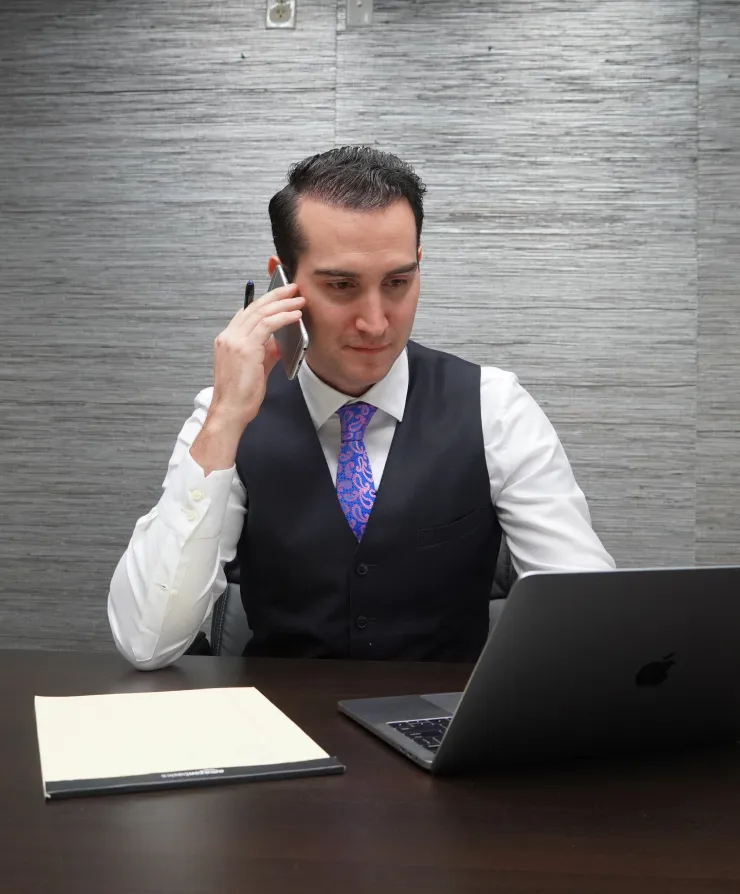
Before founding Strong Law, attorney Jed worked as in-house counsel for GEICO, defending insurance companies in accident and injury claims. That experience helps our team understand how insurers evaluate claims, dispute injuries, and decide when to settle. We use that knowledge to build stronger claims for injured people.

No upfront fees
Zero Cost Unless You Win
You owe us nothing unless we recover compensation for you. There is no obligation to hire us after your consultation and no hidden attorney fees along the way.

First-Class Service
Legal Support That Goes Beyond the Basics
Our team does more than process paperwork. We answer your questions, explain your options, track important deadlines, and help you understand each step of the injury claim.

Start here
Get Your Free Case Evaluation Today
We will review your injury claim at no cost and explain your options clearly. The goal is to help you protect your health, your claim, and your financial recovery after a serious accident or injury.
Frequently asked questions
Have other questions? Get in touch with our team at info@stronglawattorneys.com
What Is the Value of My Case?

What Are Your Hours?
What Kinds Of Cases Are Personal Injury?
Will I Be Charged To Consult Or Talk With You?
What Does Contingency Mean?
Can You Give Me An Assessment Of My Case?
What Should I Do If I’m Having Problems, Like Their Insurance Company Is Calling Me?
What Are Common Reasons For Insurance Injury Denials?
How Long Does A Case Take To Settle?
Why Can Cases Last Years?
Contact us
Our team is standing by to help you.