

The Rise of E-Bike Accidents in Denver: Liability and Your Rights

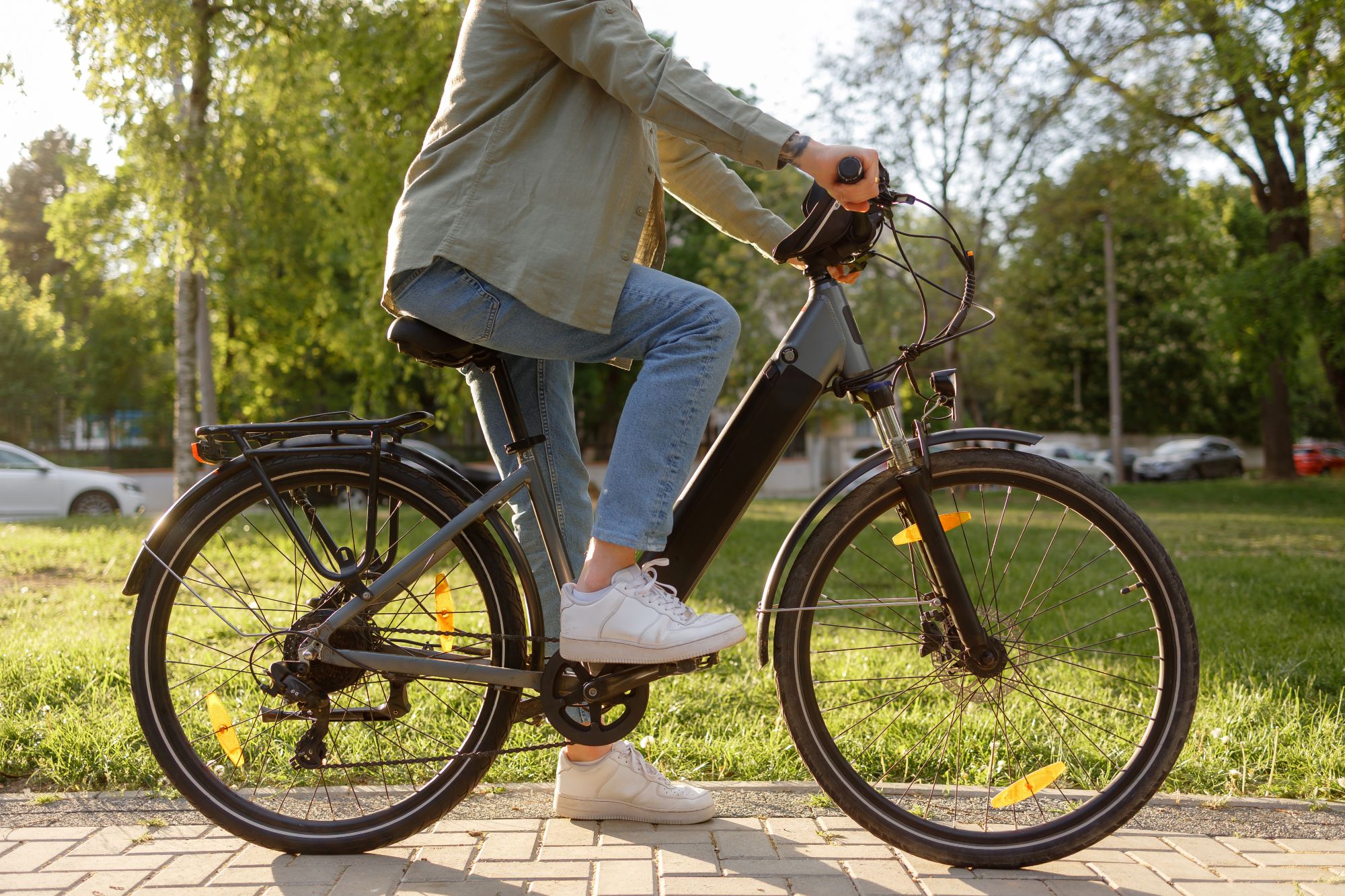
Denver is undergoing a transportation revolution. Fueled by a popular citywide rebate program and an expanding network of bike lanes, e-bikes and electric scooters have become the commuting method of choice for thousands of Colorado residents. From zipping down the Cherry Creek Trail to dodging downtown traffic on a Lime or Bird rental, micro-mobility is booming.
But this surge in convenience has brought a corresponding spike in severe accidents. Navigating the legal aftermath of an e-bike crash differs significantly from a standard car accident or even a traditional bicycle collision.
If you were injured while riding an e-bike—or if a negligent e-bike rider struck you—here is what you need to know about micro-mobility laws, determining liability, and protecting your rights in Denver.
Why E-Bike Accidents Are Often More Severe
Although they share the same bike lanes, e-bikes differ fundamentally from traditional bicycles. Data and safety reports indicate that e-bike and e-scooter collisions often result in severe trauma, with fractures and head injuries being common factors that make e-bike crashes particularly dangerous:
-
Higher Speeds: Denver’s official e-bike classifications allow Class 1 and Class 2 e-bikes to reach 20 mph with motor assistance, while Class 3 e-bikes can reach 28 mph. Hitting a vehicle or pedestrian at 28 mph delivers exponentially more kinetic energy than a human-powered bicycle.
-
Increased Weight: E-bikes house heavy batteries and reinforced frames, making them significantly heavier and harder to maneuver or stop suddenly during an emergency.
-
Silent Danger: Because electric motors are nearly silent, pedestrians and turning vehicles often do not hear an e-bike approaching a blind corner or intersection.
Common Causes of E-Bike Crashes in Denver
Denver’s infrastructure is still catching up to the speed and volume of micro-mobility devices. This friction leads to several common crash scenarios:
-
The “Right-Hook” Collision: A motorist turning right at an intersection fails to check their blind spot and turns directly into a fast-moving e-bike in the adjacent bike lane.
-
Dooring Incidents: Drivers parked along busy corridors like Colfax or Broadway open their car doors into the bike lane without looking, giving the e-bike rider no time to stop.
-
Pedestrian Conflicts on Multi-Use Trails: Because Class 1 and Class 2 e-bikes are permitted on designated multi-use trails and paths (subject to posted speed limits and local trail rules), conflicts frequently occur when fast e-bikes attempt to weave around slower pedestrians or dog walkers.
-
Mechanical Failures: Rental scooters and e-bikes take a lot of wear and tear. Brake failures, sticky throttles, and tire blowouts can cause riders to lose control.
Determining Liability: Who Pays for Your Injuries?
Colorado is an “at-fault” state, meaning the person who caused the crash is responsible for the resulting damages. However, micro-mobility accidents often involve complex liability scenarios:
-
Negligent Drivers If a car or truck violates your right-of-way, runs a red light, or doors you, their auto insurance policy is typically the primary source of recovery for damages like medical bills, lost wages, and pain and suffering, subject to policy limits and coverage terms.
-
Colorado’s Comparative Negligence Rule: Insurance companies frequently attempt to shift fault to cyclists to reduce their payout obligations. They may argue you were speeding, riding where e-bikes are prohibited or restricted, or operating unsafely. Under Colorado’s modified comparative fault law, your compensation can be reduced by your percentage of fault—and if you are found 50% or more at fault, you recover nothing.
-
Product Liability and Rental Companies If a malfunctioning brake on a rental e-bike or a defective battery caused your crash, liability might fall on the manufacturer, the maintenance contractor, or the rideshare company (like Lime or Lyft). These corporations often attempt to limit their liability through user agreements and terms of service, making recovery more complex.
Quick Answer: What to Do After an E-Bike Crash
To protect your health and your potential injury claim, take these steps immediately after a crash:
-
Call 911: Get a Denver Police officer to the scene to create an official accident report.
-
Seek Immediate Medical Attention: E-bike accidents frequently cause traumatic brain injuries (TBIs) and internal bleeding that adrenaline can mask. Go to the ER or urgent care.
-
Document Everything: Take photos of the vehicle that hit you, the damage to your e-bike, the road conditions, and any skid marks.
-
Preserve Your Bike and Gear: Do not throw away a cracked helmet or repair the e-bike yet; they are critical pieces of physical evidence.
-
Review Your Rights: Before giving a recorded statement to any insurance adjuster, arm yourself with knowledge by reading these answers to common questions about crash fault.
Why You Need a Local Legal Advocate
An e-bike crash can leave you with mounting medical debt, missed time from work, and a long road to recovery. You don’t have to fight insurance companies or corporate rental giants alone.
Partnering with a dedicated Denver bicycle accident lawyer levels the playing field. The team at Strong Law Attorneys knows how to investigate micro-mobility crashes, access nearby traffic and security camera footage, and hold negligent drivers fully accountable for the harm they cause.
Were you injured in a Denver e-bike or scooter accident? Contact Strong Law Attorneys today for a free, no-obligation consultation. Let us handle the legal fight so you can focus on getting your life back on track.

See If Your Injury Claim May Qualify
Answer a few quick questions to help Strong Law understand what happened and whether your claim may qualify for a free review.
