

Severe Injuries in Pedestrian Accidents


When a vehicle hits someone on foot, there can be more than one impact. The bumper may strike a leg, then the person may hit the hood or the pavement. A broken leg may be easy to spot while a head, chest, or pelvic injury is harder for someone at the scene to recognize.
What injuries do doctors look for after a pedestrian crash?
In a study of more than 160,000 adults treated at U.S. trauma centers after being struck by vehicles, the head or face and the legs were the most frequently injured areas. Chest and pelvic injuries also mattered. The study describes people admitted to trauma centers, so its findings are most relevant to serious crashes. Read the pedestrian injury study.
- Legs and knees. A direct strike can break the thighbone or shinbone or damage the knee. The practical question before going home is how much weight the person can put on the leg and whether they can manage steps.
- Hips and pelvis. A hard impact can break the ring of bones that connects the spine to the legs. An unstable break can cause serious internal bleeding. The American Academy of Orthopaedic Surgeons explains why some pelvic injuries need emergency surgery.
- Chest and abdomen. A blow can injure ribs or organs underneath them. Tell the emergency team about trouble taking a full breath or new pain in the chest or belly, even if a leg injury is drawing most of the attention.
Why head and spinal cord injuries need close follow-up
A pedestrian can sustain a concussion from a blow to the head or a jolt that sends the head moving quickly. Someone who remembers the crash may still have a brain injury. Tell the clinician about a gap in memory, a new headache, or changes in balance. If a headache worsens, the person vomits repeatedly, or they become hard to wake, call 911. See the CDC’s concussion danger signs.
A spinal cord injury can change movement or sensation below the injured area. What that means for walking, using the hands, or managing daily routines depends on where and how severely the cord was injured. Ask the treating team which changes need emergency attention and who will coordinate rehabilitation. Read MedlinePlus’s guide to spinal cord injuries.
Plan for the first days at home
A hospital discharge is a handoff. If a bedroom is upstairs and the patient cannot put weight on one leg, the family needs a plan before the ride home. Ask the care team to write down:
- Which activities are safe, including bathing, stairs, lifting, and driving.
- What equipment is needed, who will arrange it, and how to use it safely.
- Which symptoms call for 911, which number to call with questions, and when follow-up is due.
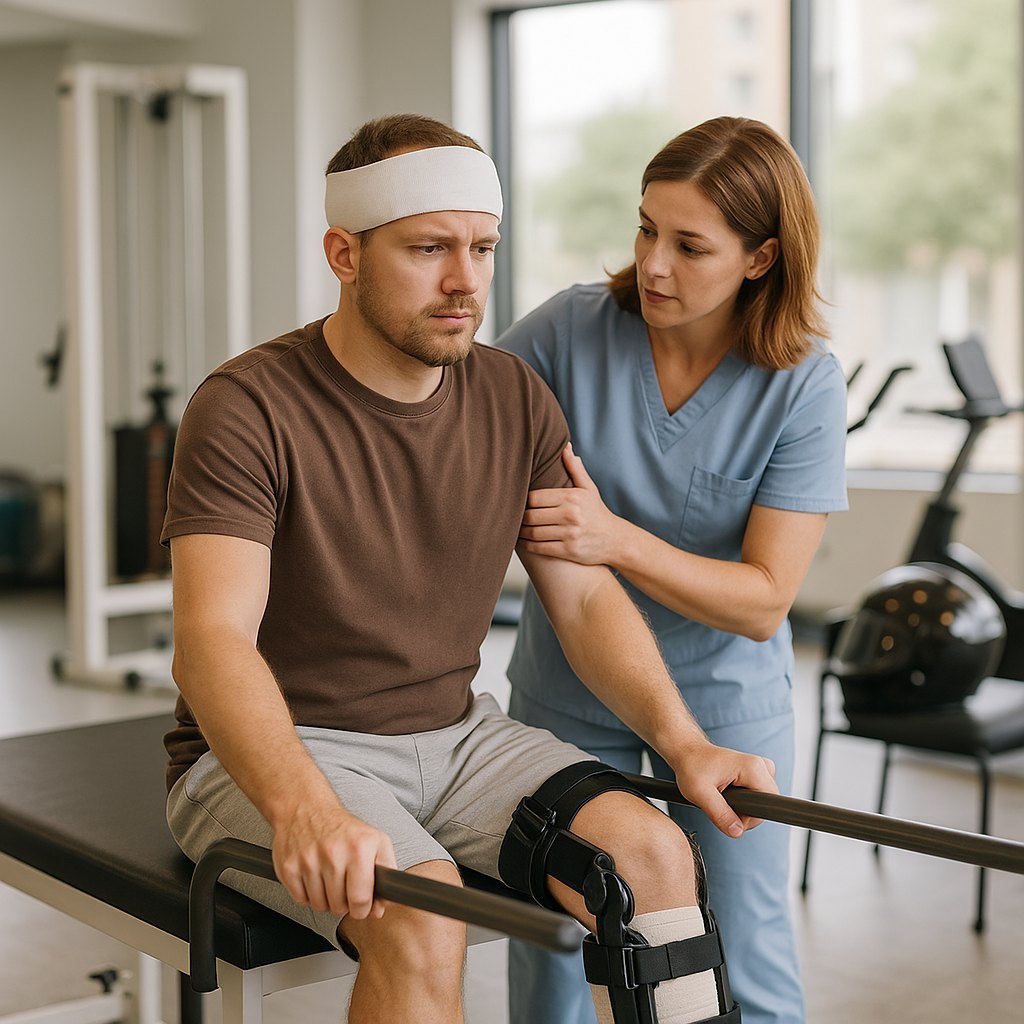
- Whether physical, occupational, or other therapy is recommended and how to schedule the first visit.
How to document an injury that changes daily life
A bill records the cost of an appointment. It may say very little about what the injury took out of a working day. Keep the written restrictions, missed shifts, pay records, and receipts for equipment or transportation. A short dated note such as “needed help getting into the shower for the first time” is more useful than trying to reconstruct an entire month later.
Keep crash records separate from the medical file. Save the report number, witness contact details, and original photographs if they are available. Strong Law’s guide explains how pedestrian crash evidence can help establish what happened.
If the injury has left you unable to work or a family member is coordinating care, a pedestrian injury lawyer can review the crash, available coverage, and documented losses. Contact Strong Law for a free consultation.

See If Your Injury Claim May Qualify
Answer a few quick questions to help Strong Law understand what happened and whether your claim may qualify for a free review.
