

How to Protect Your Rights After a Bicycle or Pedestrian Accident in Anchorage

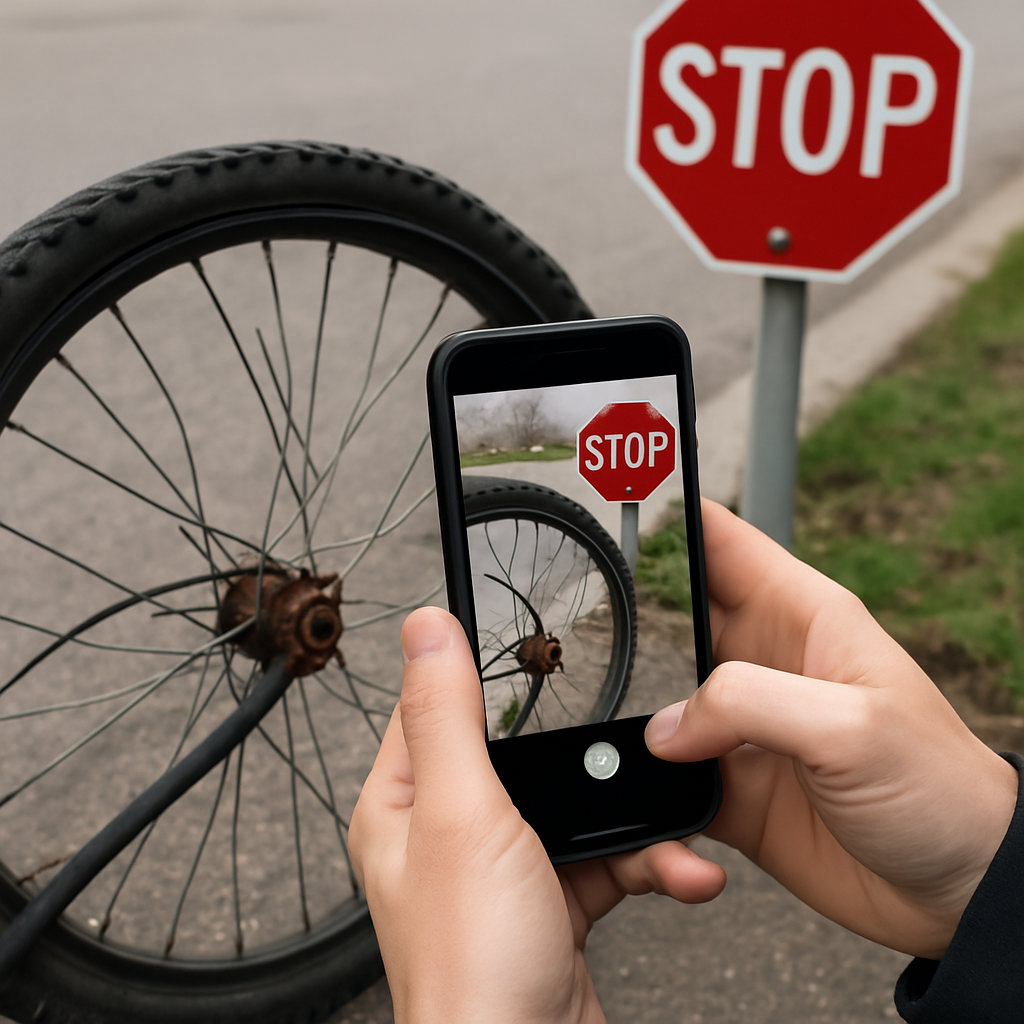
If you were hit by a car while walking or biking in Anchorage, the steps you take in the first hours and days can affect both your health and your injury claim. A bicycle or pedestrian accident can leave you dealing with medical bills, lost income, pain, and insurance pressure before you have had time to process what happened.
An Anchorage bicycle or pedestrian accident claim often comes down to evidence, fault, and timing. The stronger your documentation is from the start, the harder it is for an insurance company to downplay your injuries or shift blame onto you.
If your injuries are serious, you may also want to review Strong Law’s Anchorage personal injury lawyer page to understand how a broader injury claim may fit into your case.

What should you do immediately after a bicycle or pedestrian accident in Anchorage?
You should get medical help, report the crash, preserve evidence, and avoid saying anything that could be used against you later.
Your safety comes first. If you can move, get out of traffic and call 911. Even if you think you can walk away, do not assume you are uninjured. Head injuries, internal injuries, and soft-tissue damage can show up hours or even days later.
Once emergency help is on the way, focus on protecting the facts of the case:
- Take photos of the vehicle, license plate, intersection, road conditions, bike damage, torn clothing, helmet damage, and visible injuries
- Get the driver’s name, insurance information, and contact details
- Ask for witness names and phone numbers
- Make sure law enforcement prepares a report
- Seek medical evaluation as soon as possible
What evidence can protect your injury claim?
The best evidence usually includes photos, medical records, the police report, witness statements, and documentation of how the crash changed your daily life.
Insurance carriers often move fast after a bicycle or pedestrian crash. They may question how the collision happened, whether you were visible, whether you crossed legally, or whether your injuries were really caused by the crash. That is why evidence matters so much.
Try to preserve:
- Scene photos and videos
- Medical records and discharge paperwork
- Bills for ambulance, emergency care, imaging, and follow-up treatment
- Repair or replacement estimates for your bicycle and gear
- Pay records showing missed work
- A written timeline of symptoms, pain levels, and limitations
If the crash involved a pedestrian, Strong Law’s Anchorage pedestrian accident lawyer page can also support readers who need a more pedestrian-specific resource.
How does fault work in an Anchorage bicycle or pedestrian accident case?
Alaska follows a comparative fault rule. In general, that means a person’s own share of fault can reduce damages, but it does not automatically bar recovery. Official Alaska materials describe the rule this way: contributory fault “diminishes proportionately” compensatory damages but “does not bar recovery.”
That matters in real-world bike and pedestrian claims because insurance companies often look for ways to assign partial blame. They may argue that:
- A cyclist did not use proper lights or reflectors
- A pedestrian crossed outside a marked crosswalk
- Someone entered the roadway suddenly
- Dark clothing or low visibility contributed to the crash
That does not automatically end the case. It means fault may become one of the biggest issues in settlement negotiations. The more evidence you have, the harder it is for the insurer to inflate your share of blame.
How do insurance companies try to limit these claims?
Most insurers look for quick ways to reduce payout. They may ask for a recorded statement, push for early blame admissions, or offer a fast settlement before you understand the full value of the claim.
After a crash, be careful with early conversations. A polite comment can be twisted into an admission. A quick settlement can close the case before future treatment, physical therapy, or ongoing pain is fully understood.
Be especially cautious about these mistakes:
- Saying “I’m fine” before you know the full extent of your injuries
- Guessing about speed, visibility, or who had the right of way
- Apologizing in a way that can be framed as accepting blame
- Giving a recorded statement without first understanding your rights
- Signing a release too early
A bicycle or pedestrian accident can also overlap with larger motor vehicle liability issues. In some situations, reviewing Strong Law’s Anchorage car accident lawyer page may help readers understand the insurance side of the case more clearly.
How long do you have to file a personal injury lawsuit in Alaska?
For many injury claims in Alaska, the general filing deadline is two years. Alaska’s statute says actions for injury to the person or rights of another not arising on contract must be commenced within two years.
That said, deadlines can become more complicated if the claim involves a government vehicle, a municipal entity, a minor, or another unusual fact pattern. Waiting too long can seriously damage or even destroy the claim.
The safest approach is simple: do not wait until the deadline feels close. Get the crash evaluated early, preserve evidence early, and have a lawyer review timing issues before they become a problem.
When should you speak with an Anchorage bicycle or pedestrian accident lawyer?
You should speak with a lawyer as soon as possible if you suffered serious injuries, the insurer is disputing fault, the driver left the scene, or the settlement offer feels low.
The sooner a lawyer gets involved, the easier it is to secure records, locate witnesses, preserve footage, and stop the insurance company from shaping the story before all the facts are known.
You should reach out quickly if:
- You suffered a head injury, fracture, spinal injury, or lasting mobility problem
- The driver’s insurer says you were partly or mostly at fault
- There is a dispute about right of way
- A child was hit
- The crash involved a commercial vehicle or government vehicle
- A fatality occurred
If the crash caused the loss of a loved one, readers should also be directed to Strong Law’s Anchorage wrongful death lawyer page.

Frequently asked questions
Can you still recover compensation if you were partly at fault?
Yes, potentially. Alaska’s comparative fault rule generally reduces damages based on a claimant’s share of fault rather than automatically blocking recovery.
What if the insurance company says you crossed unsafely or were not visible enough?
That is a common defense. It does not mean the insurer is right. Fault arguments depend on evidence, witness accounts, roadway conditions, visibility, and the driver’s conduct.
Should you accept a quick settlement after a bicycle or pedestrian crash?
Usually, you should be very careful. Early offers are often made before the full scope of injury, treatment needs, lost wages, and pain and suffering are clear.
Final Takeaway
After a bicycle or pedestrian accident in Anchorage, protecting your rights starts with protecting the facts. Get medical care, report the crash, document everything, and be cautious with the insurance company before giving statements or accepting a quick settlement.
If the crash left you with serious injuries, ongoing treatment, disputed fault, or pressure from an insurer, Strong Law’s Anchorage personal injury lawyers can help you understand your options and the next steps in your claim.

Get an instant case evaluation
Find out if your case qualifies with our online 4-step quiz!
