

Utah Truck Accident Liability: Evidence, Fault, and Insurance

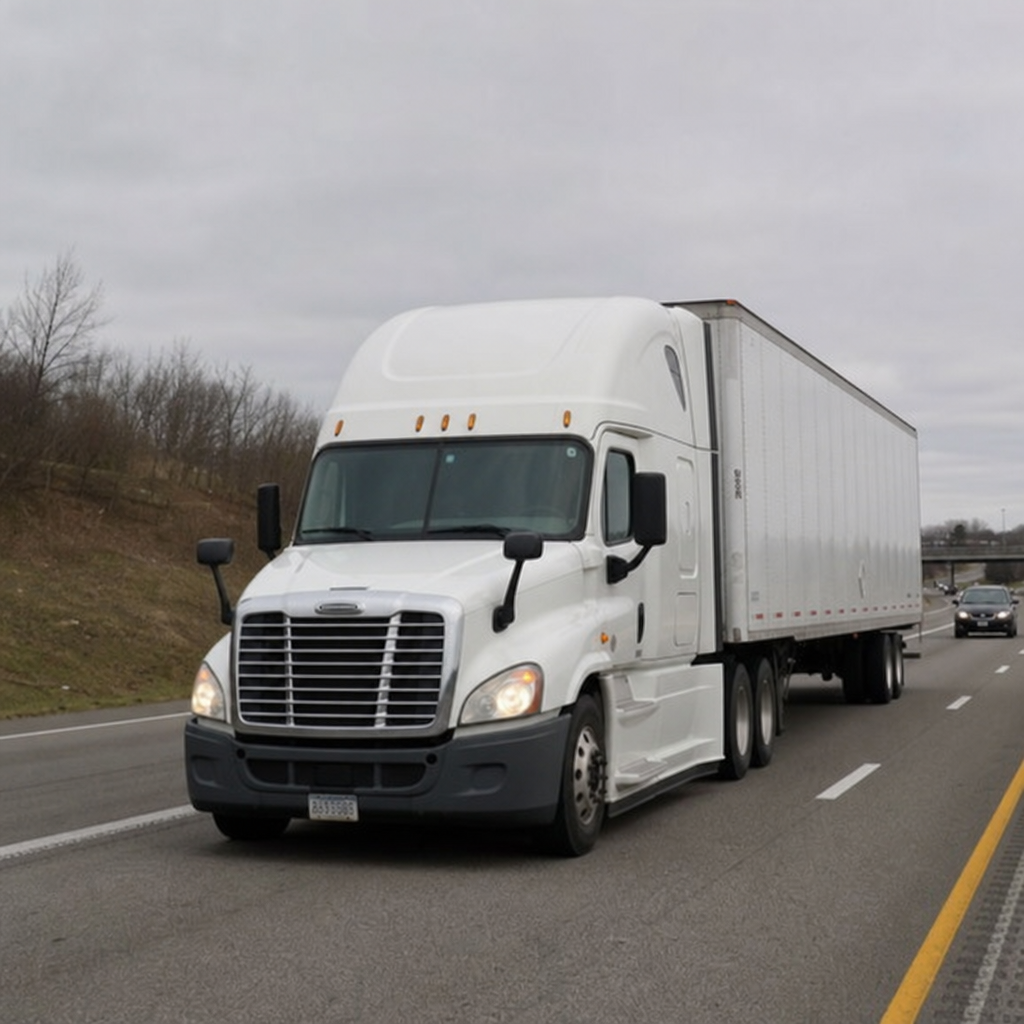
A commercial-truck crash in Salt Lake City can raise questions about the driver’s actions, the trucking company’s responsibilities, and available insurance. The answers depend on evidence, applicable law, and the policy terms. This is a general guide to Utah truck-accident claims, not a report about a specific collision.
Who May Be Responsible for a Truck Crash?
An investigation may examine the truck driver, the motor carrier, a company responsible for maintenance or loading, and other drivers. A business’s connection to a truck does not by itself prove liability. A claim must establish a legally supported basis for responsibility and connect that conduct to the injuries or losses.
Useful questions include whether a driver failed to yield, whether a vehicle defect contributed to the collision, who controlled maintenance, and whether cargo was secured properly. These are issues to investigate, not assumptions about any particular crash.
What Evidence Can Help?
Federal maintenance rules require covered motor carriers to inspect, repair, and maintain vehicles under their control. Records of those activities may help show whether a maintenance issue contributed to a collision.
- Scene evidence: photographs, road markings, vehicle positions, weather, witness details, and available video.
- Vehicle information: truck and trailer identifiers, company names, inspection records, and repair or maintenance documents.
- Driver and trip records: dispatch information, applicable driving-time records, and electronic data that may help explain the trip.
- Proof of losses: medical records, bills, employment records, repair estimates, and other documented expenses.
Some evidence can be overwritten, repaired, or lost. Ask a lawyer promptly about preserving relevant records. Do not access another person’s devices or company systems yourself.
How Does Shared Fault Affect a Utah Claim?
According to the Utah Insurance Department, an injured person generally must be less than 50% at fault to recover from another party, and recovery is reduced by the injured person’s share of fault. How responsibility is allocated must be evaluated from the evidence and the parties whose fault may legally be considered.
What Insurance May Apply?
The Federal Motor Carrier Safety Administration explains that covered carriers must maintain financial responsibility, which can take the form of insurance, a surety bond, or approved self-insurance. Applicable requirements vary with the operation, vehicle, and cargo.
Depending on the facts, more than one policy may need review. The existence of a commercial policy does not establish fault, guarantee payment, or show that its limit will cover every loss. Coverage, exclusions, policy limits, and the parties’ responsibilities need separate examination.
What Should You Do After a Truck Crash?
- Get to a safe place if you can and call 911 for injuries or an immediate traffic hazard.
- Seek appropriate medical care and follow the treatment advice you receive.
- When safe, exchange information and record truck, trailer, carrier, and witness details.
- Keep the police-report reference, photographs, insurance correspondence, and expense records.
- Notify your insurer promptly and ask about applicable coverage and reporting requirements.
- Get legal advice before accepting a final settlement if injuries, fault, or coverage remain unresolved.
Filing and notice rules depend on the claim and the parties involved. Government-related claims and other special situations can have different requirements. Do not assume an insurance investigation extends a legal deadline.
Discuss Your Utah Truck-Accident Claim
A lawyer can review the available evidence, identify potential claims, and explain the limits of what is currently known. Learn more about working with a Utah truck accident lawyer at Strong Law. Case outcomes depend on the facts and applicable law.

See If Your Injury Claim May Qualify
Answer a few quick questions to help Strong Law understand what happened and whether your claim may qualify for a free review.
