

Eugene I-5 and Beltline Truck Crash Evidence Checklist

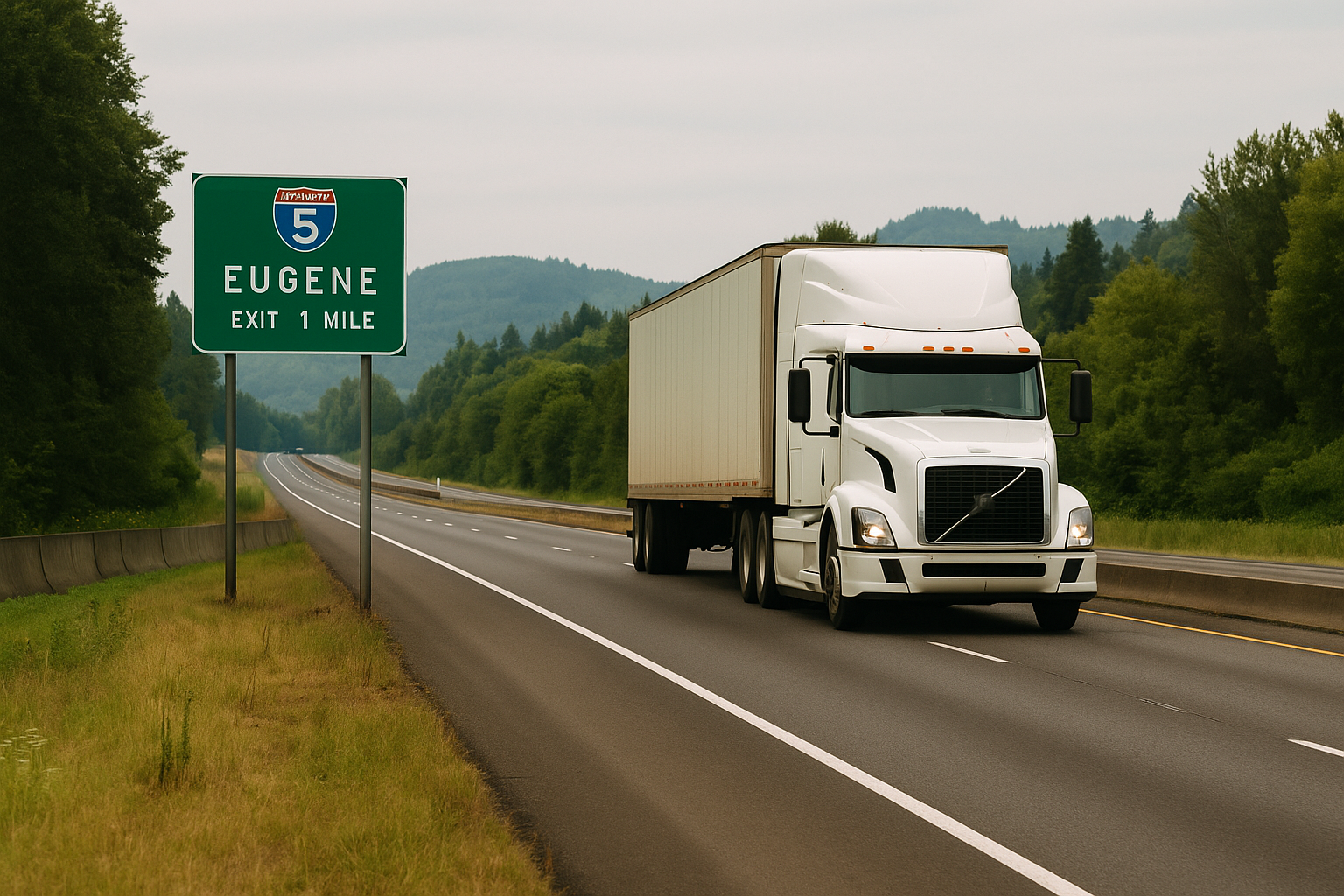
After a truck crash on I-5 or the Randy Papé Beltline near Eugene, evidence can help explain what happened before vehicles are repaired, camera footage is overwritten, or witnesses become harder to reach. Medical care and scene safety come first. You do not need to collect every item yourself.
This checklist focuses on preserving evidence. For representation and the broader claim process, visit our Eugene truck accident lawyers page.
What Should You Record at the Scene?
If it is safe, record the road, direction of travel, nearest exit or milepost, and the approximate time. On the Beltline, note whether the crash involved a ramp, merge, or main travel lane. Describe what you observed without guessing about speed or fault.
- Take wide photographs of the scene and closer views of damage.
- Record lane markings, signs, road conditions, and obstructions.
- Save the truck’s company name, USDOT number if visible, and tractor and trailer identifiers.
- Obtain the driver’s and witnesses’ contact details.
- Keep the responding agency’s name and report number.
Never stand in a travel lane, approach a hazardous spill, or interfere with responders to gather information.

Which Video Sources May Help?
Your own dashcam, a witness’s recording, or a nearby business camera may show vehicle movement before impact. Identify possible sources promptly. The existence of a camera does not mean usable footage was recorded or retained.
Keep original files with their dates and metadata. Make a separate backup, avoid editing the originals, and tell your lawyer where each file came from. Do not assume a police report request also preserves privately held footage.

What Records May the Trucking Company Hold?
Depending on the truck and operation, relevant records may include electronic logging data, available vehicle event data, dispatch messages, inspection and maintenance records, and driver qualification information. Cargo documents may help identify the companies involved.
These records are not automatically available to an injured person. A lawyer can assess who controls them and what preservation requests or legal procedures are appropriate. Not every truck records the same information.
Why Can Driver Logs Matter?
Logs and supporting records may help test a timeline or investigate a fatigue allegation. The FMCSA hours-of-service summary describes different limits for property-carrying and passenger-carrying drivers. Exceptions may apply.
A log entry or regulatory issue does not, by itself, establish what caused a particular crash. Investigators need to compare records with the route, timing, witness accounts, and physical evidence.
What Should You Keep After Leaving the Scene?
- Medical records, discharge instructions, bills, and work restrictions.
- Photographs of injuries and recovery over time.
- Repair estimates, towing records, and damaged personal property.
- Employer records of missed work or changed duties.
- Insurance letters, claim numbers, and communications.
- A dated account of what you remember, separating observations from assumptions.
Ask for advice before disposing of a damaged vehicle or other possible evidence. Do not delay necessary treatment to complete paperwork.
Does the Police Report Decide the Claim?
A report can identify witnesses and preserve early observations, but it may not contain every fact. Compare it with video, photographs, damage patterns, and other records. If you spot an error, document it and ask about the agency’s correction process.
How Soon Should You Get Advice?
Prompt advice helps separate evidence-preservation needs from the deadline for filing a lawsuit. Many Oregon negligence-based injury claims have a two-year limitation period under ORS 12.110, but different claims and parties can trigger different deadlines or notice requirements. Do not wait until the filing deadline to investigate disappearing evidence.

What Should You Bring to Strong Law?
Bring the records you already have, the report number, and any insurance correspondence. Our Eugene truck accident team can review what is missing and which evidence may need protection. Request a free case review to discuss the crash and your next steps.

See If Your Injury Claim May Qualify
Answer a few quick questions to help Strong Law understand what happened and whether your claim may qualify for a free review.
