

Determining Fault In Utah Bicycle Accidents

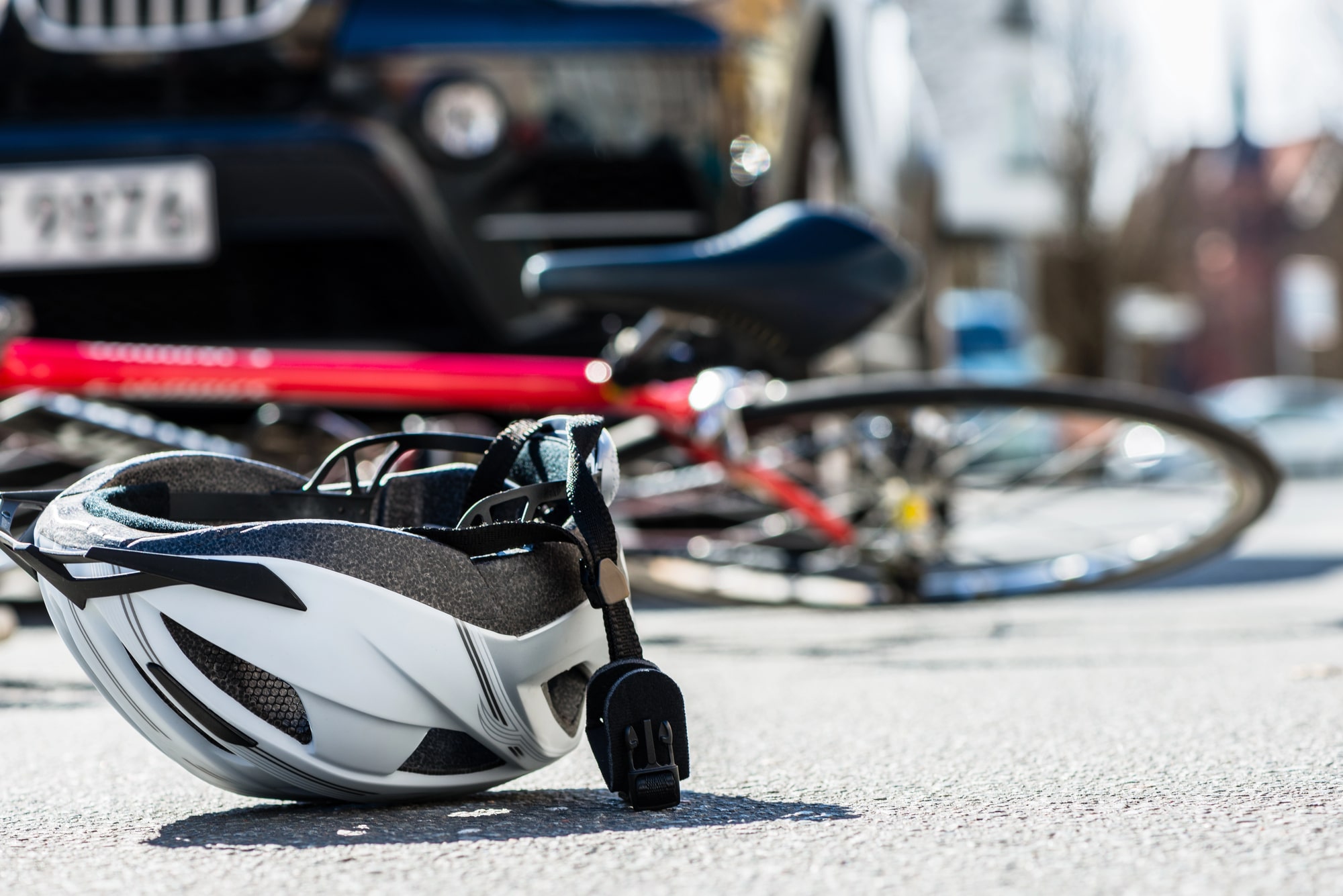
Here’s something most people get wrong: they see a car hit a cyclist and immediately blame the driver. It doesn’t always work that way. Utah law actually examines what both people did, and sometimes the cyclist shares the blame. At Strong Law Accident & Injury Attorneys, we’ve represented cases where the cyclist was partially responsible. We’ve even handled a few where the rider caused the whole thing. What matters is who did what, when they did it, and whether anyone broke traffic laws.
When Cyclists Can Be At Fault
Bicycles aren’t exempt from traffic rules. They’ve got to follow the same laws as cars in Utah. When they don’t, things get complicated fast.
We see these violations shift fault all the time:
- Running red lights or stop signs
- Riding against traffic flow
- Failing to signal turns or lane changes
- Riding on sidewalks where it’s prohibited
- Crossing intersections without yielding
- Riding at night without proper lights or reflectors
Think about it. If a cyclist blows through a stop sign and gets hit, can you really blame the driver? Sometimes a rider swerves into traffic without looking. The driver had zero chance to react.
Utah’s Comparative Fault System
Utah uses what’s called modified comparative fault. You can still recover money even if you’re partially at fault, but there’s a catch. You can’t be more than 50% responsible. Your payout gets reduced by whatever percentage you’re at fault. Let’s say you’re 20% responsible and you’ve got $10,000 in damages. You’d walk away with $8,000. But if you’re 51% at fault? You get nothing.
That’s why every single detail matters. Insurance companies will dig through everything to bump up your fault percentage. They’ll watch surveillance footage on repeat, hunt down witnesses, and comb through police reports. Anything to shift more blame onto you?
Situations Where Drivers May Not Be Liable
Some accidents just don’t fall on the driver.
Sudden Movements: A cyclist who jerks into a travel lane without checking their surroundings might be the one responsible. Drivers can’t avoid what they can’t predict.
Intoxication: Yes, cyclists can get DUIs. Riding drunk affects your judgment and reaction time just like it does behind the wheel.
Distracted Riding: Scrolling through your phone while riding? Wearing headphones with music blasting? That’s on you if something happens.
Equipment Failure: If your brakes fail because you haven’t maintained them in months, that’s not the driver’s problem.
Why Determining Fault Gets Complicated
Most crashes aren’t clear-cut. Maybe the driver was speeding. But the cyclist didn’t signal their turn. So who’s more at fault?
Police reports help. They don’t decide everything, though. Officers show up after the fact and piece together what happened from statements and skid marks. They can miss stuff. Sometimes they draw the wrong conclusions. Our Sandy bicycle accident lawyer team doesn’t stop at the police report. We dig deeper. Road conditions, weather, how visible you were, and damage patterns on the vehicles. We’ll bring in accident reconstruction specialists if we need to. Sometimes the physical evidence tells a completely different story from what’s in the report.
Shared Fault Scenarios
Plenty of bicycle accidents involve mistakes from both sides. Driver’s texting. A cyclist runs a red light. Both contributed. Insurance companies love these situations because they pay less. They’ll argue you should’ve worn brighter clothes, picked a safer route, and been more defensive. They’ll find something.
Protecting Your Rights After A Crash
Photos of the scene matter. Your injuries matter. The damage to your bike matters. Write down witness names and numbers before they leave. And get medical attention even if you feel okay right now. Adrenaline masks a lot. Don’t admit fault at the scene. You’re probably in shock. You might not even know what happened yet. Wait until you’ve had time to process everything.
Insurance adjusters will call you fast. They’ll sound sympathetic and helpful. They’re not your friends. They’re building a case to pay you as little as possible. Everything you say can be twisted to suggest you caused the accident.
A Sandy bicycle accident lawyer knows how to investigate these cases properly. We determine accurate fault percentages. We negotiate with adjusters who’ve seen every trick in the book. Whether you’re completely innocent or you share some responsibility, we’ll work to get you the maximum compensation available. Reach out to discuss what happened and learn what your options are.

See If Your Injury Claim May Qualify
Answer a few quick questions to help Strong Law understand what happened and whether your claim may qualify for a free review.
