

Anchorage Winter Driving and Moose Collisions: How to Stay Safe on Alaska Roads

Winter driving in Anchorage brings risks that many drivers in other parts of the country rarely face, and one of the most dangerous is hitting a moose. These crashes can cause devastating injuries because of the animal’s size, the low-light conditions common in Alaska winters, and the fact that moose often move along plowed roads when snow is deep. According to the Alaska Department of Fish and Game, moose-related vehicle accidents are a recurring statewide problem, especially during winter months when animals are drawn to easier travel routes near roadways. Learn more from the Alaska Department of Fish and Game.
For drivers in Anchorage, this is not just a remote-highway issue. A serious wildlife-related wreck can happen on a daily commute, near neighborhood greenbelts, along wooded corridors, or on roads where snowbanks and darkness shorten reaction time.
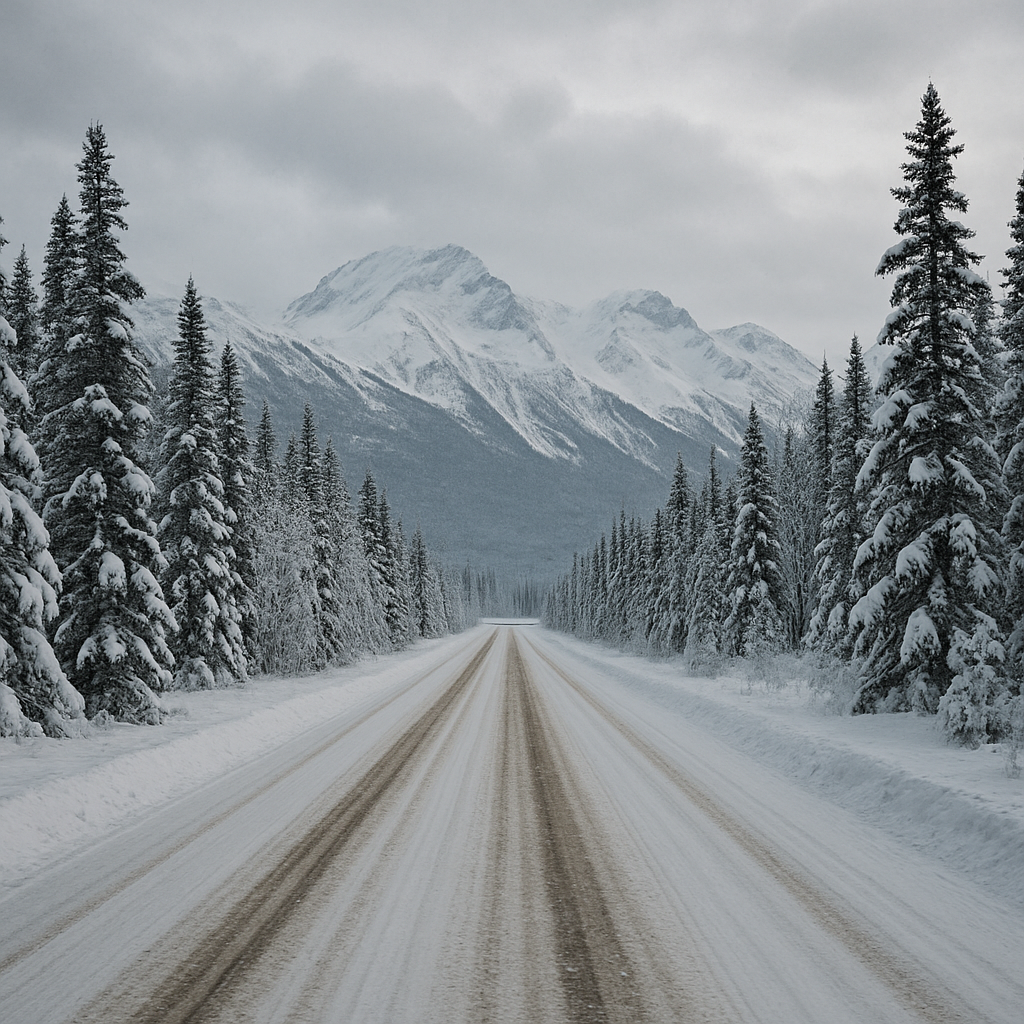
Why these crashes are so dangerous
A collision involving a moose is very different from hitting a smaller animal. Because moose are tall and heavy, the impact often happens higher on the vehicle. Instead of going underneath the bumper, the body of the animal may come onto the hood and into the windshield area. That can turn a sudden roadway hazard into a severe injury crash in seconds.
These accidents often lead to serious consequences such as:
- head and facial injuries
- neck and back trauma
- broken bones
- internal injuries
- long recovery periods and lost wages
That is one reason a major animal-related crash can overlap with the same types of claims handled by an Anchorage personal injury lawyer.
Why winter increases the risk in Anchorage
Winter creates the exact mix of conditions that makes these accidents more likely. Moose are more likely to use plowed roads and cleared rights-of-way when snow is deep, while drivers are dealing with shorter days, slick pavement, glare, and reduced visibility. In Anchorage, that means the danger is often highest during normal morning and evening driving hours, when people are already commuting in dim or changing light.
This is part of what makes Anchorage winter driving different. The risk is not limited to highways far outside the city. It can appear in developed areas, on neighborhood edges, and on roads that drivers use every day.
Where drivers should stay alert
Moose can show up almost anywhere, but the danger tends to rise near wooded areas, greenbelts, open snowy corridors, and roads with limited visibility. In Anchorage, that means drivers should stay especially alert where plowed streets cut through brush or tree cover, and in places where snowbanks make it harder to spot movement off the shoulder.
The key point is simple: a driver does not have to be deep in rural Alaska to face a serious wildlife hazard.
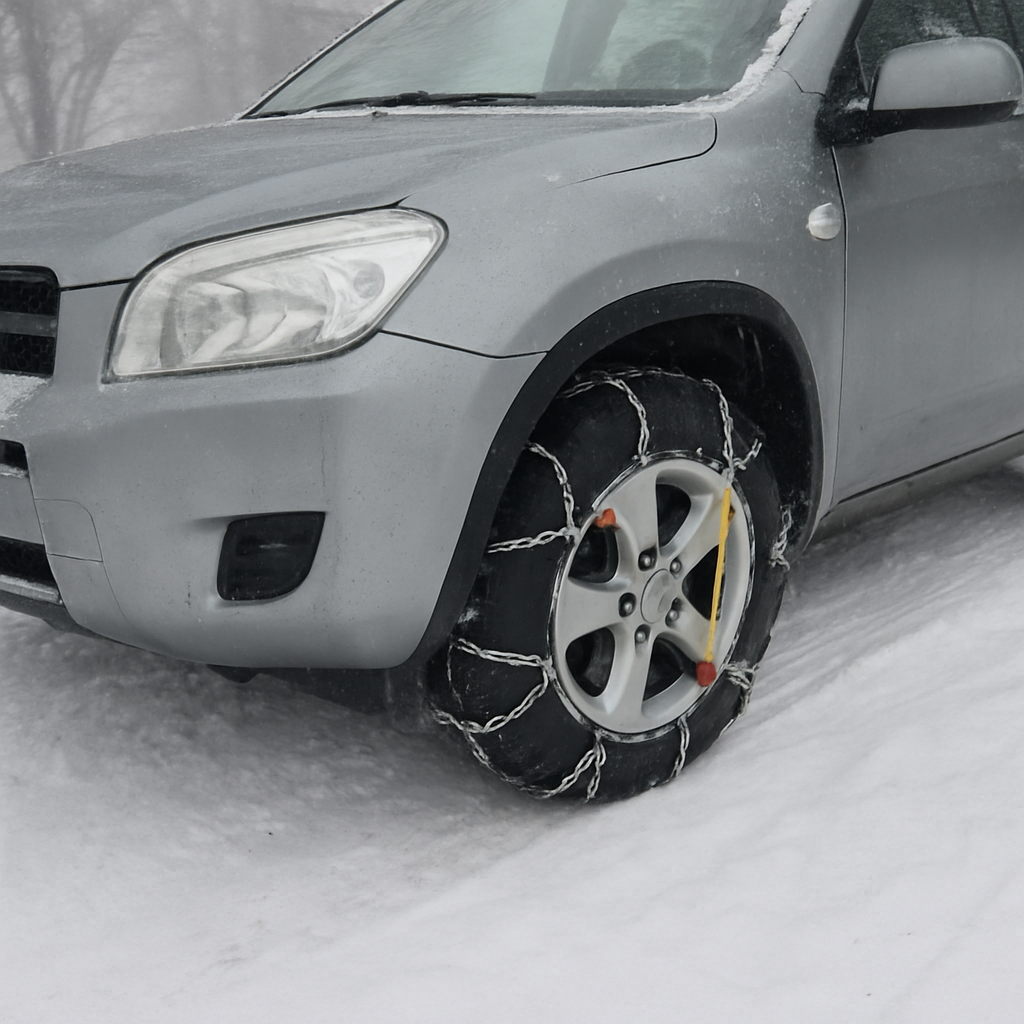
How to reduce the chances of a crash
No driver can eliminate the risk completely, but a few smart habits can make a real difference. Slow down during low-light hours, especially around dawn and dusk. Scan both sides of the road rather than focusing only on the lane ahead. Use high beams when conditions allow, and if you see one moose, assume there may be another nearby.
Those simple adjustments matter because many of these incidents happen when a driver notices the animal too late to respond in a controlled way.
What to do after hitting a moose
If a crash happens, safety comes first.
- Call 911 right away and report the accident.
- Stay in a safe location and do not approach the animal.
- Get medical attention as soon as possible, even if you think your injuries are minor.
- Take photos of the vehicle, road conditions, and surrounding area if it is safe to do so.
- Notify your insurance company promptly.
These steps can help protect both your health and your ability to sort out any insurance issues later.
When a wildlife crash becomes a legal issue
Not every wreck involving a moose leads to a legal claim beyond insurance, but some do. What starts as a single-vehicle wildlife impact can become much more complicated if another driver swerves, rear-ends you, pushes you off the road, or triggers a second collision.
That is where the situation starts to look less like an isolated animal strike and more like a broader traffic injury case. If another vehicle was involved, or if fault becomes disputed, it may help to review the situation with an Anchorage car accident lawyer.
In the most serious cases, a fatal accident tied to a roadway event like this may also raise issues that overlap with an Anchorage wrongful death lawyer.
Insurance is not always as simple as it seems
Many drivers assume these accidents are automatically straightforward insurance events. Sometimes they are. But not always.
Coverage questions can become more complicated when there are severe injuries, multiple vehicles, disputed facts, or a chain-reaction crash. That is why it is important not to dismiss a serious Anchorage roadway accident as nothing more than bad luck. The medical, financial, and liability issues can run deeper than they first appear.
Common injuries after a serious animal strike
Because of the force involved, these crashes often leave people dealing with much more than vehicle damage. Some drivers feel relatively fine at first, only to discover later that they suffered a concussion, spinal injury, fractured ribs, or other trauma that becomes worse over the next day or two.
Common injuries may include:
- traumatic brain injuries
- facial injuries from broken glass
- shoulder and chest injuries
- neck and back pain
- fractures
- lingering mobility or nerve-related symptoms
When recovery involves surgery, rehabilitation, missed work, or lasting pain, the impact can be significant.
Frequently asked questions
Are moose collisions common in Alaska?
Yes. They are a well-known roadway danger in Alaska, especially during winter when moose are more likely to move along plowed roads and drivers have less time to react.
Why do these crashes increase in winter?
Winter makes travel easier for moose on cleared roadways while also making visibility worse for drivers. That combination raises the risk.
Should you swerve to avoid a moose?
A sudden swerve can create an even more dangerous outcome, especially on icy roads or in traffic. Losing control or crossing into another lane may cause a worse crash than controlled braking.
Can you still have a claim if another driver caused the crash while reacting to wildlife?
Potentially, yes. If another driver’s actions caused a separate collision or chain-reaction wreck, liability may need to be evaluated independently.
Final takeaway
A serious moose collision in Anchorage is not just an unusual Alaska story. It can be a high-impact winter crash with real medical, financial, and legal consequences. These accidents become more likely when snow, darkness, plowed roads, and limited reaction time all come together, which is exactly what winter driving in Anchorage often looks like.
If you were hurt in one of these accidents, especially if another vehicle was involved or the insurance situation has become complicated, you can contact Strong Law to discuss what happened and what your options may be.

Get an instant case evaluation
Find out if your case qualifies with our online 4-step quiz!
