A passenger injured during a ride
The Lyft driver, another driver, or both may have contributed. Save the trip receipt and details of the pickup, route, and crash.

Help with the insurance questions after your rideshare crash.
You booked a ride to get somewhere safely. Now you may be facing treatment, missed work, and several insurers asking the same questions. A Midvale Lyft accident lawyer can investigate the collision and identify the coverage that may apply.
Strong Law Accident & Injury Attorneys helps passengers, rideshare drivers, and people struck by a rideshare vehicle assess their options. We preserve ride records, review competing accounts, and build a claim around the injury and its costs. You do not need to know which insurer is responsible before asking for help.
Our Utah office is at 193 E Fort Union Boulevard, Midvale, UT 84047. Call 385-746-1803 or request a free case review. Bring the records you have; you do not need a complete file before asking for help.

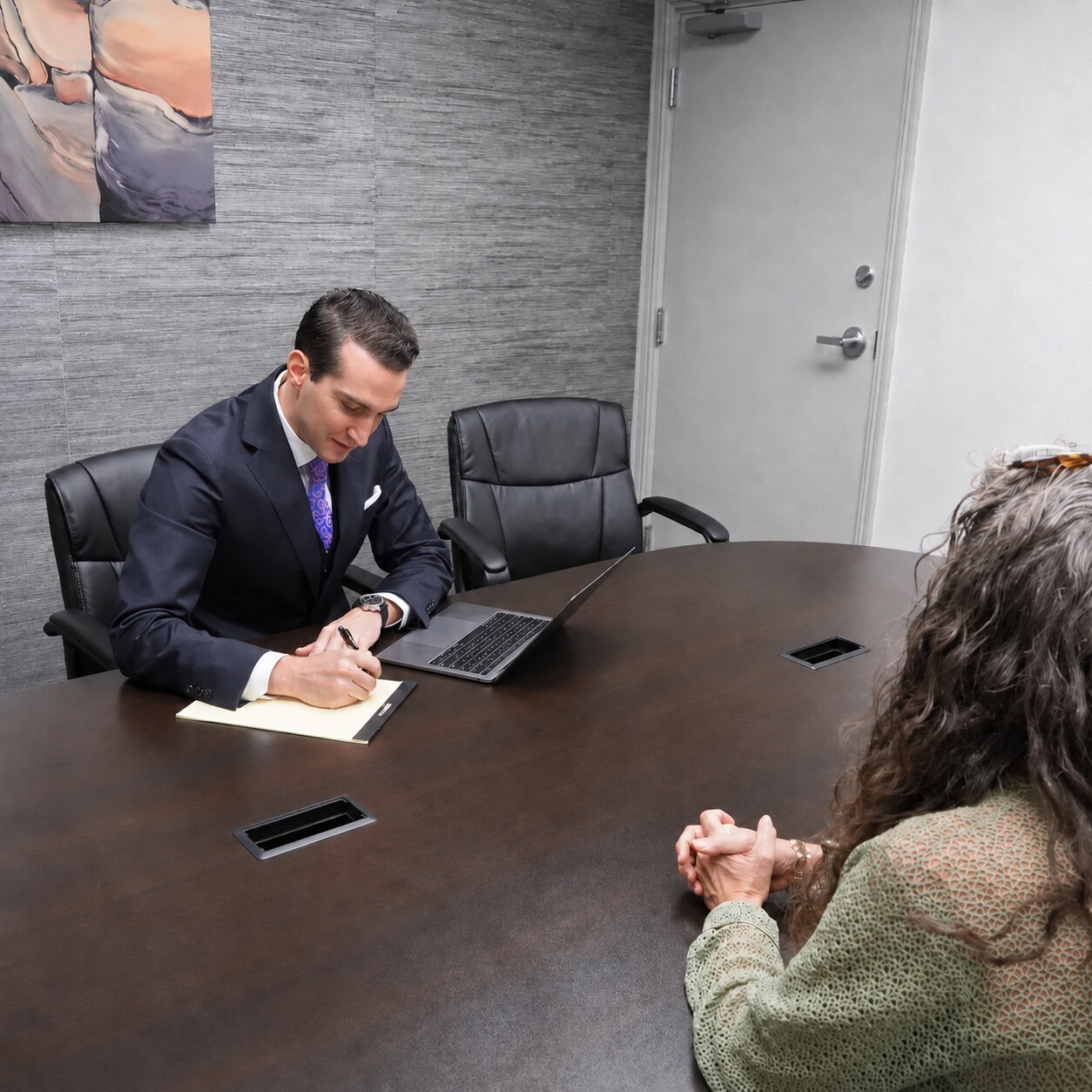
The driver, another motorist, and multiple insurers may point to someone else after a crash. We review the collision first, then the driver’s app status and the relevant policies. Those are separate questions: who caused the injury, and which coverage responds?
Our team gathers the records, handles claim communications, and explains requests for statements or documents. We assess offers against the medical evidence and other supported losses. You decide whether to settle after the terms are explained.
An insurer may dispute whether the driver was waiting for a ride or had already accepted one. Another may disagree about the cause of your injuries. We look for records that can resolve the specific dispute, rather than rely on a label such as “rideshare accident.”
Jed Strong’s background in insurance defense informs our review of contested claims. We discuss what additional investigation or legal action may be useful. Strong Law is an independent law firm and is not affiliated with Lyft.
A Lyft collision can happen on a neighborhood street, near a business entrance, or during a trip through Salt Lake County. The location provides context but does not establish fault. We examine the exact movements, traffic controls, sight lines, and available recordings.
The Lyft driver, another driver, or both may have contributed. Save the trip receipt and details of the pickup, route, and crash.
The other vehicle’s liability coverage and applicable rideshare or personal policy provisions may need review. Your own driving and app status also matter.
Crossing movements, turning traffic, and visibility need investigation. The fact that the vehicle was used for rideshare does not decide responsibility.
Stopping position, door movements, curb access, and other traffic may be relevant. Record whether a trip had been accepted, started, or completed.
These examples illustrate issues a case may raise; they are not descriptions of Strong Law client results. See our Midvale car accident guidance for related driver-fault questions.
A personal auto policy and rideshare coverage may apply differently depending on what the driver was doing. Relevant stages include being logged out, logged in and waiting, heading to an accepted pickup, and transporting a passenger. Record the timing accurately rather than assume one policy covers every stage.
Utah’s Transportation Network Company Registration Act addresses insurance requirements for rideshare activity. The claim still requires review of the applicable law, policy language, and facts. The existence of coverage does not establish fault or guarantee payment.
Keep trip receipts, app messages, pickup and drop-off information, and relevant screenshots. A driver should preserve records showing app activity around the crash. We may seek additional platform or insurer records through the appropriate process.
Do not change or recreate a trip record to match a recollection. Save the original information, including details that are unclear. Timing discrepancies can often be investigated, but inaccurate records make that work harder. If you were using another service, see our Midvale Uber accident page.
Talk through your options with our team.
Call 911 for injuries or immediate danger, and follow responders’ instructions. Seek appropriate medical care and tell the provider how the collision occurred. You should not stay at an unsafe scene just to collect information.
When it is safe, save the driver’s name, plate, insurance information, and the trip details. Keep witness contacts, photographs of the vehicles and road, and the agency report number. Ask a trusted person for help if you are receiving treatment.
Reporting a crash through the app is not the same as resolving the injury claim. It may not preserve every recording or legal deadline. Ask for help reviewing a broad medical authorization, recorded-statement request, or settlement release before signing.
A driver may have been distracted, failed to yield, followed too closely, or made an unsafe turn. Another vehicle may have caused the collision even though you were riding in a Lyft. We compare the accounts with the physical evidence and the rules governing the specific movement.
Useful evidence can include scene photos, damage patterns, witness statements, dashcam video, nearby business recordings, and the report. When the sequence is disputed, a qualified reconstruction specialist may be helpful. A citation can be relevant, but it does not answer every civil claim question.
Whether another business or party may be legally responsible requires a separate review. We do not assume that a rideshare company is liable merely because its app was used. The facts, applicable law, and relationship between the parties matter.
If an insurer says you contributed to the crash, we assess that allegation against the evidence. Utah shared-fault rules can affect recovery. Provide a complete account, including your seat position, restraints, and actions where relevant; do not guess about facts you cannot recall.
A fair assessment looks beyond the first emergency-room bill. Treatment may continue, work may become difficult, and ordinary tasks may require help. The claim should connect those losses to the crash with records and specific examples.
Keep bills, benefit statements, pay information, and medical restrictions. Some insurers or benefit providers may seek repayment from a recovery. We consider those issues when explaining a settlement and the amount you may receive.
A lasting injury may require expert input on future care or earning limits. Your healthcare team guides treatment; the legal claim should reflect its findings. Our Midvale brain injury guidance discusses related documentation, and our wrongful death team can help families after a fatal crash.
A quick payment may leave continuing care or missed income unanswered. Review the medical outlook, coverage, disputed fault, and any repayment obligations before signing. A final release can end the right to seek more compensation for the same injury.
We prepare a demand supported by the evidence and assess the insurer’s response. If negotiations do not resolve the dispute, a lawsuit may allow further document requests and sworn testimony. We discuss the costs and choices, and you decide whether to accept an offer.
Filing deadlines and insurance notice duties depend on the claim and circumstances. Government involvement, a child’s injury, or a death may change the analysis. App reporting, a police report, and ongoing talks with an adjuster may not preserve the right to sue.
A Midvale Lyft accident attorney can review the crash date and any written deadlines while you continue care. Bring the records you have and your main concerns. Strong Law offers a free consultation and contingency fee representation; the written agreement explains fees and expenses.
Our Utah office is at 193 E Fort Union Boulevard, Midvale, UT 84047. Call 385-746-1803 or request a free case review. Bring the records you have; you do not need a complete file before asking for help.
Ready to discuss your situation?
Possibly. We review who caused the crash, the injury, and the applicable coverage. The responsible party might be the Lyft driver, another motorist, or more than one party. Being a passenger does not identify the insurer that must pay.
No blanket answer covers every collision. Driver app status, the applicable law, and policy terms matter. Preserve trip records and insurance information so the coverage analysis can be based on evidence.
Yes. A review can address another driver’s fault, your app status, and the coverage potentially available. A work-related injury may raise additional questions about the driver’s legal status and benefit eligibility.
Assess the offer against the documented losses, medical outlook, and release terms. An early payment may not account for continuing needs. You can request a review before deciding, and a consultation does not require filing a lawsuit.
Strong Law offers a free consultation and handles injury cases on a contingency fee basis. Attorney fees depend on a recovery. The written agreement explains the fee and how case expenses are handled.
Save the trip receipt, driver and vehicle details, report information, and app messages you do have. We can discuss how relevant coverage records may be obtained. Missing a document should not prevent you from asking for an initial review.


"Just wanted to say thank you to Jed and his team at Strong Law. Not only was I happy with the outcome, but the entire process as a whole. I would definitely recommend this firm to anyone. Thanks again."
"I had a claim involving my own insurance company. I tried to negotiate with them, and they completely denied my claim – two times. I then hired Strong Law, and the change was instant. The insurance company immediately began negotiating, and Jed was able to secure an unbelievably good settlement. I will never again attempt to take-on an insurance company without Strong Law in my corner. Thank you!"
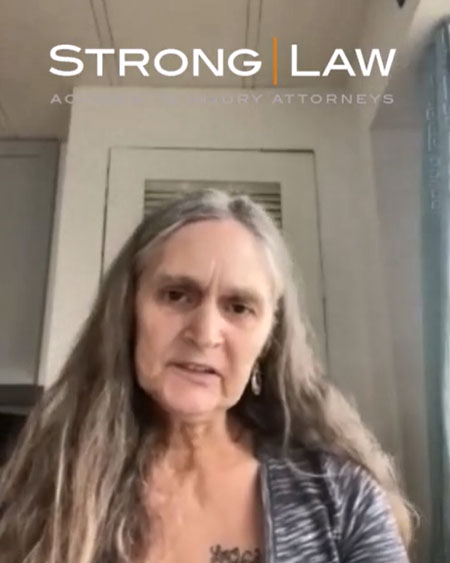
"I hired Strong Law after my car accident. Jed and his team worked hard on my case. They were professional and compassionate through my surgery and as I recovered, and they were awesome on communication. I got justice and awesome compensation. I would recommend Strong Law to anyone in my situation."

We review reports, photos, video, witness information, medical records, and other evidence to identify what happened and who may be responsible.
We gather medical, wage, property, and daily-life evidence to show how the injury or loss affected the client.
We identify available insurance, manage insurer communication, and respond to delays, low offers, and attempts to shift blame.
If the other side denies responsibility or refuses a fair resolution, we can file a lawsuit and prepare the case for court.
Before founding Strong Law, attorney Jed worked as in-house counsel for GEICO, defending insurance companies in accident and injury claims. That experience helps our team understand how insurers evaluate claims, dispute injuries, and decide when to settle. We use that knowledge to build stronger claims for injured people.

You owe us nothing unless we recover compensation for you. There is no obligation to hire us after your consultation and no hidden attorney fees along the way.

Our team does more than process paperwork. We answer your questions, explain your options, track important deadlines, and help you understand each step of the injury claim.

We will review your injury claim at no cost and explain your options clearly. The goal is to help you protect your health, your claim, and your financial recovery after a serious accident or injury.
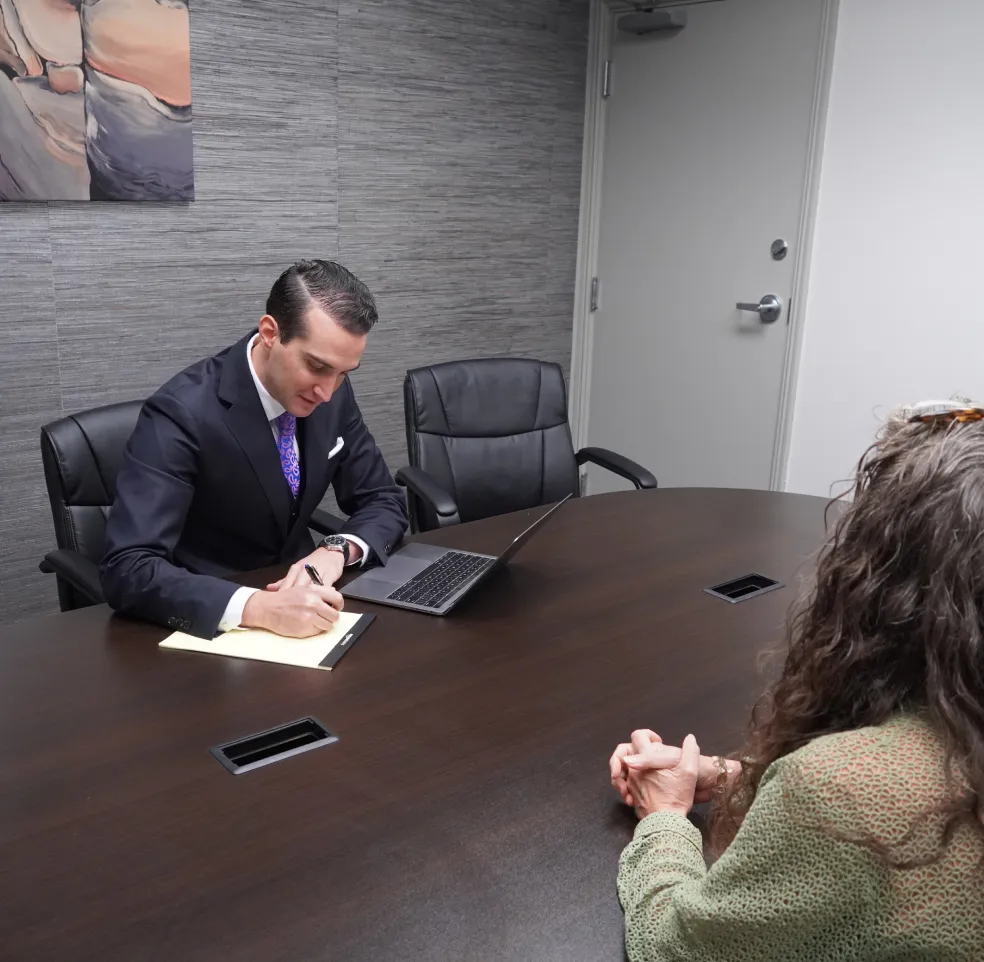
Have other questions? Get in touch with our team at info@stronglawattorneys.com

Our team is standing by to help you.