

Colorado I-70 Pileup: What Injury Victims Should Know

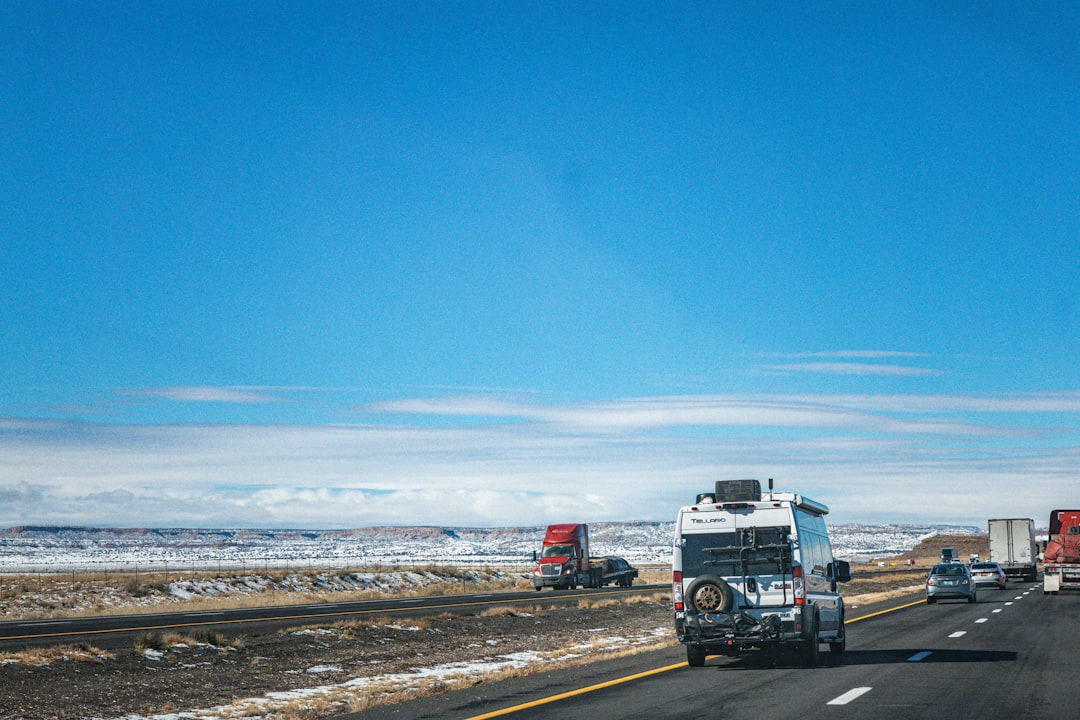
Key Takeaway: A large I-70 pileup near the Eisenhower Tunnel is a reminder of how quickly a truck accident Colorado drivers face on a busy mountain corridor can turn into a serious injury event. When a Colorado truck crash or multi-vehicle highway collision involves snow, wind, passenger vehicles, and commercial trucks, questions about liability, evidence, and what injured people should do next become much more complicated.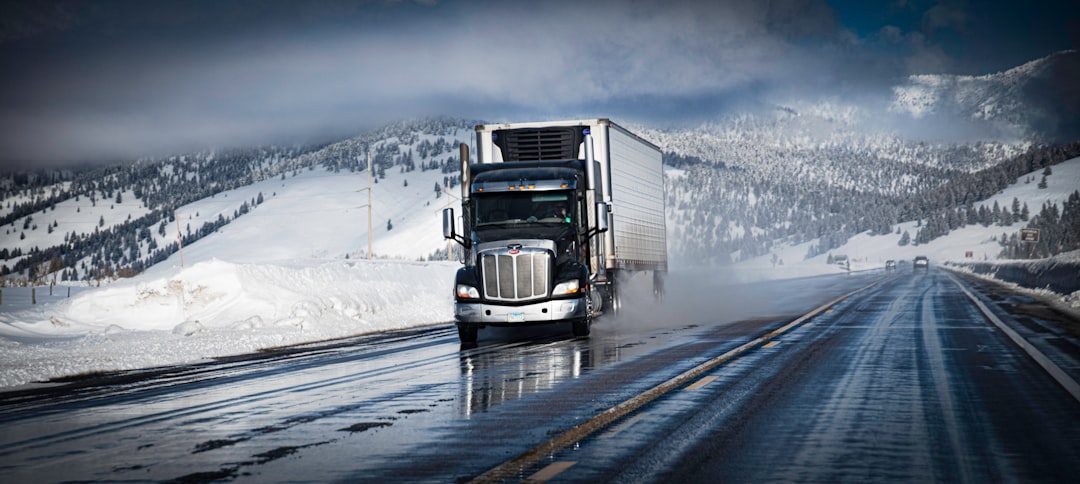
What a Colorado I-70 Chain-Reaction Crash Can Mean for Injury Victims
A recent Colorado road accident on eastbound I-70 in Clear Creek County shows how dangerous mountain corridor driving can become when conditions change fast. Reports say the pileup happened on April 14, 2026, near the Eisenhower Tunnel, involved roughly 70 to 75 vehicles, and sent eight people to the hospital, including one person with serious injuries.
This kind of trucking accident Colorado drivers and families hear about in winter conditions is more than a news headline. A multi-vehicle crash of this scale can leave drivers and passengers facing serious injuries, insurance pressure, lost income, and difficult questions about fault. It can also raise important issues involving truck accident liability, chain-reaction crash evidence, and how a Colorado truck accident claim may differ from a smaller two-car collision.
For many people, this type of pileup is simply a Colorado traffic accident until the injuries, insurance issues, and liability questions start becoming clearer.
People dealing with those issues can learn more about their legal options on Strong Law’s Colorado truck accident lawyer page.
Why Multi-Vehicle Pileups Can Be So Legally Complicated
A chain-reaction crash is rarely as simple as one driver hitting one other vehicle. In a pileup, responsibility may involve several drivers, changing road conditions, visibility, vehicle spacing, speed, braking time, and sometimes commercial trucks moving through the same corridor.
In a crash like the recent I-70 pileup, legal questions may include:
- whether drivers were traveling too fast for conditions
- whether vehicles were following too closely
- whether commercial drivers adjusted appropriately for snow and wind
- whether a truck or passenger vehicle triggered the first impact
- whether later collisions caused separate injuries or added damage
- whether vehicle condition, including tire condition, contributed to the crash
That is one reason a Colorado truck accident or car accident claim after a mass pileup can be more complex than a typical collision.
Can Drivers Still Be Liable if Snow and Wind Were Involved?
Yes, possibly.
Bad weather does not automatically remove legal responsibility. Snow bursts, slick pavement, poor visibility, and strong winds can all play a role in a crash, but drivers are still expected to respond reasonably to road conditions. Recent reporting on the I-70 crash said snowy conditions and strong winds were present, and later reporting cited Colorado State Patrol statements that heavy snow accumulation, drivers going too fast for conditions, following too closely, and insufficient tire tread were believed to be key factors.
In a Colorado highway crash claim, liability may depend on questions like:
- Was the driver going too fast for the weather?
- Was the driver following too closely for mountain driving conditions?
- Did a commercial vehicle fail to adjust speed or spacing?
- Were road conditions obvious enough that drivers should have slowed sooner?
- Did vehicle condition contribute to loss of control?
- Did later impacts worsen the injuries after the initial collision?
These are the kinds of issues that often shape truck accident liability and multi-vehicle insurance claims after a pileup of this size.
 What Evidence Matters After a Colorado Truck Crash or Multi-Vehicle Pileup?
Evidence can disappear quickly after a chain-reaction crash, especially on a heavily traveled interstate. Vehicles are moved, snow and ice conditions change, debris is cleared, and witness memories fade fast.
Important evidence after a Colorado pileup injury claim may include:
- crash scene photos and video
- dashcam footage
- witness statements
- police reports and emergency response records
- weather and road-condition reports
- vehicle damage documentation
- black box or onboard data from commercial vehicles
- trucking records if semis were involved
- medical records showing when and how injuries were diagnosed
- towing and storage records
- repair estimates and total-loss documentation
In a high-impact highway crash, early evidence preservation can make a real difference. That is especially true when multiple drivers, multiple insurers, and possibly commercial vehicles are involved. Early evidence can shape both liability arguments and the overall value of the claim.
Why Truck Accident Claims and Car Accident Claims Can Overlap in a Pileup
This recent I-70 crash appears to have involved a mix of passenger vehicles and semis. Images and reporting described multiple semitrucks among the wreckage, along with widespread vehicle damage and debris across the roadway.
That means some injured people may be dealing with issues tied to both ordinary car accident claims and commercial truck accident claims. Depending on the facts, a large interstate collision may involve:
- passenger vehicle negligence
- commercial truck driver decisions
- trucking company safety issues
- different insurance carriers and policy limits
- disputes over which collision caused which injury
- serious or catastrophic injuries that need long-term medical care
For broader information about crash claims involving passenger vehicles, readers can also review Strong Law’s Colorado car accident lawyer page.
Serious Injuries Can Change the Value and Complexity of a Claim
A chain-reaction crash can cause more than minor soreness or vehicle damage. High-speed or repeated-impact collisions can lead to fractures, head injuries, spinal trauma, internal injuries, and long-term mobility problems. Reporting on the recent Colorado pileup says one person suffered serious bodily injuries, which is one reason crashes like this can quickly move beyond a routine insurance matter.
In the most severe cases, victims may face:
- emergency treatment and hospitalization
- surgery or specialist care
- missed work and lost earning capacity
- long-term rehabilitation
- chronic pain
- permanent impairment
Those issues can turn a crash into a catastrophic injury claim. Readers dealing with severe harm after a serious collision can learn more on Strong Law’s Colorado catastrophic injury lawyers page.
What Injured Victims Should Do After a Colorado Highway Crash
After a serious interstate crash, the most important steps are often the simplest ones.
Get medical attention immediately
Even if symptoms seem minor at first, adrenaline can mask pain. Prompt medical care also creates documentation that may matter later.
Preserve photos, records, and insurance information
Keep crash-scene photos, discharge papers, bills, towing records, claim numbers, and communication from insurers.
Be cautious with recorded statements
After a multi-vehicle crash, fault may be disputed quickly. Be careful about giving broad statements before you understand the full facts.
Track how the crash affects your daily life
Missed work, pain, follow-up treatment, sleep disruption, and physical limitations can all matter in a claim.
Move quickly before evidence is lost
In large pileups, evidence can disappear fast. The sooner key records and documentation are preserved, the better.
Colorado Law Can Matter Even When the Crash Looks Chaotic
In a mass crash, it may be tempting to assume fault can never be sorted out. But complicated facts do not make legal responsibility impossible to analyze. They just make evidence more important.
In a chain-reaction crash, investigators and insurers may look at driver speed, spacing, weather response, vehicle condition, sequence of impacts, and injury timing. In practical terms, that means an injured person may still have a valid claim even if several vehicles were involved and no single cause is obvious at first.
That is also why broader legal guidance after a serious crash can help. Readers looking at their options after a serious collision can also review Strong Law’s Colorado personal injury lawyer page.

Common Questions After a Colorado Pileup
Can drivers still be at fault if snow and wind caused the crash?
Yes. Weather can be a major factor without being the entire legal answer. Drivers are still expected to slow down, leave enough distance, and adjust to road conditions.
What makes a chain-reaction crash different from a normal car accident?
A chain-reaction crash usually involves more vehicles, more insurance carriers, more disputed facts, and more complicated evidence about who caused which impact.
Do truck accident issues matter if semis were only part of the pileup?
Yes. If commercial trucks were involved, trucking records, vehicle data, and company-related evidence may still matter in determining fault and damages.
What compensation might be available after a highway pileup?
That depends on the facts, but compensation may include medical bills, lost income, future treatment costs, pain and suffering, and other injury-related losses.
A Colorado Crash Is a Reminder, Not Just a Headline
The recent I-70 pileup near the Eisenhower Tunnel is a reminder of how quickly Colorado mountain driving can become dangerous when snow, wind, traffic, and high speeds come together. Reports say about 70 vehicles were involved, 19 people were evaluated, and eight were taken to the hospital.
For injured victims, the bigger issue is not just what happened on the interstate that day. It is what happens next, how fault is evaluated, how evidence is preserved, and how a claim is built when a highway crash causes real physical, financial, and personal harm.
Talk to Strong Law About a Serious Colorado Crash
If you were hurt in a serious Colorado highway crash, Strong Law can review the facts, explain your options, and help you understand what steps may matter most for your claim. Multi-vehicle collisions can involve severe injuries, complicated evidence, and aggressive insurance positions, so early guidance can make a difference.

Get an instant case evaluation
Find out if your case qualifies with our online 4-step quiz!
