Provo Slip and Fall Lawyer for Injury Claims
Hurt in a fall on unsafe property in Provo? Strong Law can review what happened, explain your options, and help you pursue a claim. Start with a free consultation.

Can a Provo slip and fall lawyer help you?
A fall can leave you with pain, time away from work, and bills you did not expect. A Provo slip and fall lawyer can help you find out whether unsafe property conditions caused your injuries. Strong Law Accident & Injury Attorneys serves people in Provo and Utah County from our Utah office in Midvale.
You do not need to know who owns the property or which insurer to call before speaking with us. We can review the facts, identify possible claims, and explain what evidence may help. A free consultation gives you a place to start without a promise about the outcome.
Call 385-746-1803 or request a case review. Our Provo personal injury team can also discuss other injuries connected to the incident.
What hazards can cause a slip and fall?
Falls may happen in grocery stores, restaurants, rental buildings, parking lots, and other places people visit. The key question is what made the area unsafe and whether someone failed to use reasonable care.
- Spilled drinks, leaks, or freshly mopped floors without a clear warning.
- Loose rugs, damaged flooring, or objects left in a walkway.
- Broken steps, missing handrails, or poor stairwell lighting.
- Cracked pavement, uneven walking surfaces, or hidden changes in height.
- Snow or ice at an entrance or along a walking route.
A hazard alone does not prove fault. Weather, the time the condition existed, and who controlled the area all matter. Photos of the full walkway can be as useful as a close view of the spot where you fell.

Contents
Who may be responsible for an unsafe property?
A property owner, tenant, manager, or contractor may share responsibility for a fall. The answer depends on who controlled the area and what each person did or failed to do. A business does not guarantee that every visitor will avoid injury.
A claim usually requires proof of a duty of care, a failure to meet that duty, and a link between that failure and your losses. Our Provo premises liability lawyer can review leases, repair records, and other facts that help identify the responsible parties.
Did the owner know about the hazard?
For a temporary hazard left by someone else, notice can be central. For example, how long was a spill on the floor? Did a customer report it? Did staff have a reasonable chance to find it and respond?
The rule differs when an owner or employee created the unsafe condition. In that situation, separate proof that the business knew about the hazard is generally not required. You still must prove negligence. The Utah Supreme Court explains this distinction in Jex v. JRA, Inc.
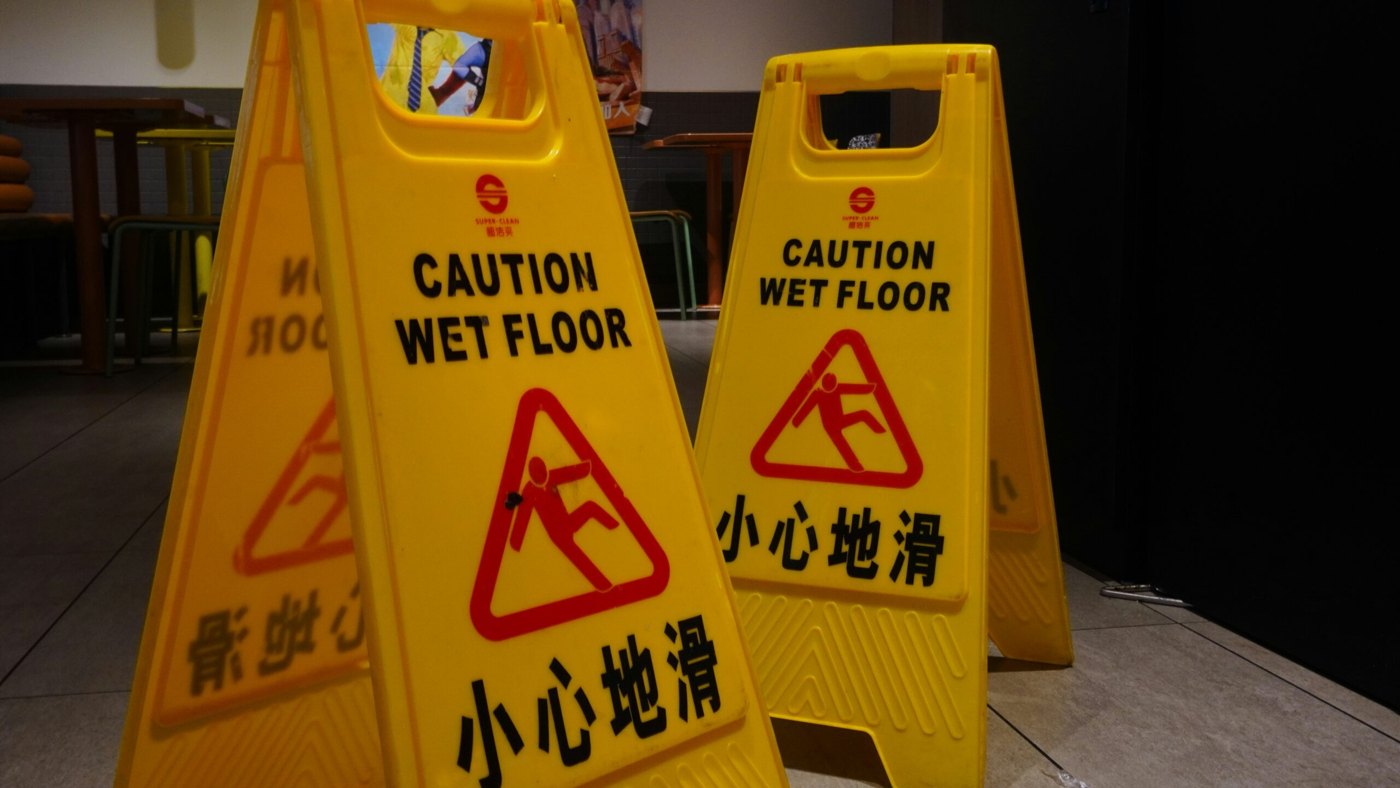
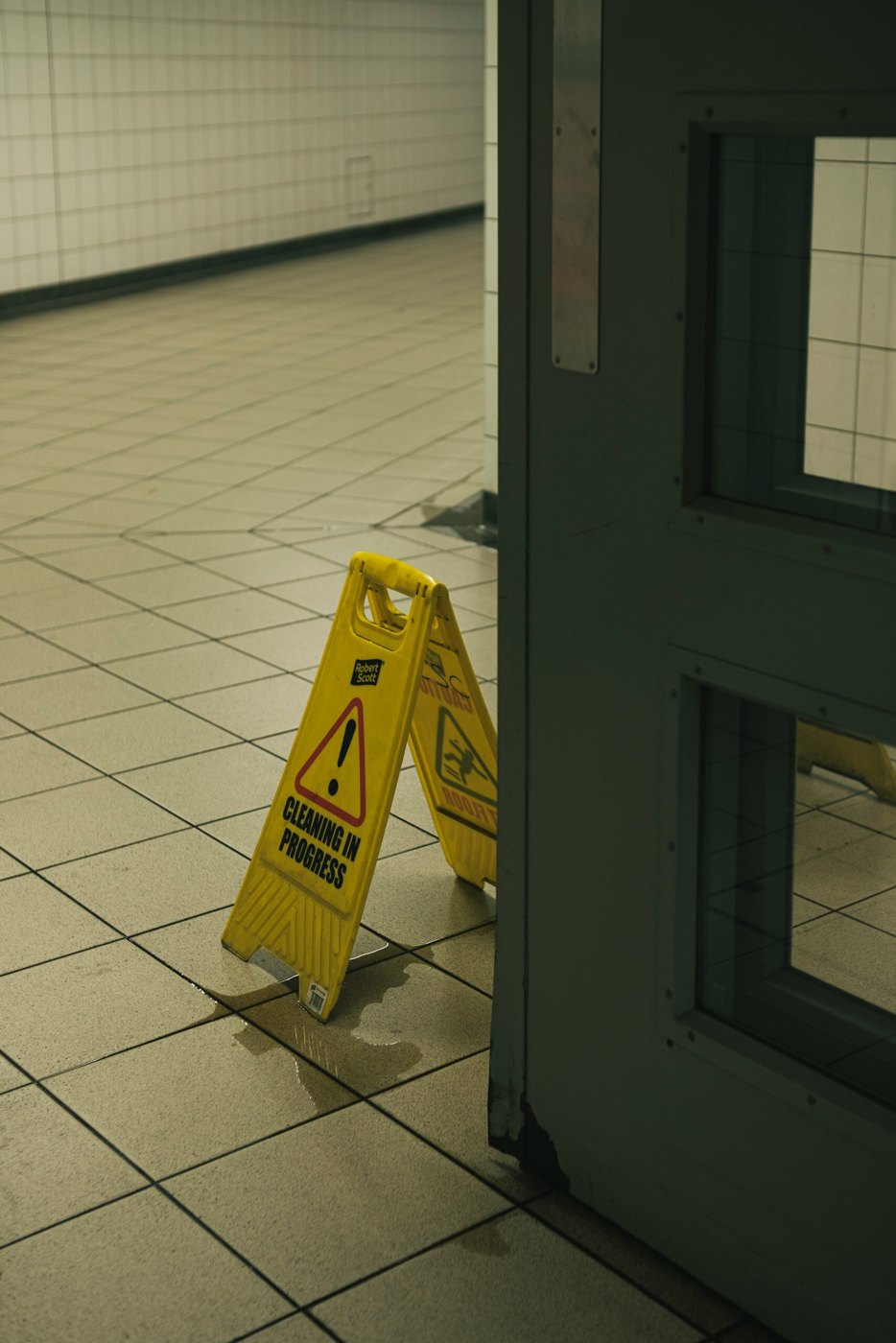
A warning sign is one piece of evidence. Its location, visibility, and distance from the hazard can affect whether it provided a useful warning.

What should you do after a fall in Provo?
Put your health first. Get help for your injuries and follow your medical provider’s advice. If you can safely gather evidence, a few early steps may help explain what happened.
- Report the fall. Tell the manager or property owner where and when it occurred. Ask for a copy of any incident report.
- Photograph the area. Capture the floor, lighting, warning signs, nearby objects, and your route through the property.
- Get witness details. Save names and contact information for people who saw the fall or the condition before it.
- Keep physical evidence. Set aside the shoes and clothing you wore. Keep original photos and videos.
- Track your losses. Save medical bills, receipts, wage records, and notes about how the injury affects daily life.
- Ask about video quickly. Security footage may be erased as part of normal storage routines.
Describe what you remember without guessing. Read documents carefully before signing them. An insurer may ask for a recorded statement or a broad medical release. A lawyer can explain the request before you decide how to respond.
What injuries and losses can a claim cover?
Falls can cause broken bones, joint injuries, back pain, and head injuries. Some people need surgery, therapy, or help with daily tasks. Medical records help connect the injury to the fall and show the care that may still be needed.
Depending on the evidence, damages may include:
- Emergency care, hospital bills, medication, and follow-up treatment.
- Reasonable future care needs supported by medical evidence.
- Lost wages and reduced ability to earn income.
- Pain, emotional distress, and loss of enjoyment of daily activities.
- Lasting physical limits, scarring, or disability.
There is no fixed value for a slip and fall claim. The injury, proof of fault, insurance limits, and future needs can all affect the result. We review those factors before discussing a settlement demand.

We’ve helped thousands of accident victims like you
we win
98%
4.9
stars
over
2,000


“Very professional, and treated me as an equal.”
"Just wanted to say thank you to Jed and his team at Strong Law. Not only was I happy with the outcome, but the entire process as a whole. I would definitely recommend this firm to anyone. Thanks again."
“Unbelievable work!”
"I had a claim involving my own insurance company. I tried to negotiate with them, and they completely denied my claim – two times. I then hired Strong Law, and the change was instant. The insurance company immediately began negotiating, and Jed was able to secure an unbelievably good settlement. I will never again attempt to take-on an insurance company without Strong Law in my corner. Thank you!"
“I got justice and awesome compensation.”
"I hired Strong Law after my car accident. Jed and his team worked hard on my case. They were professional and compassionate through my surgery and as I recovered, and they were awesome on communication. I got justice and awesome compensation. I would recommend Strong Law to anyone in my situation."
How does Strong Law handle a slip and fall claim?
We start by listening to your account and reviewing the records you have. You can ask who will handle your case, how updates will work, and what the next steps may be.
- Review and investigation. We identify the property parties and seek relevant reports, photos, video, and maintenance records.
- Document the harm. We gather medical and income records. When needed, experts may help explain a safety issue or future care need.
- Present the claim. We explain the evidence of fault and the losses supported by the records to the insurer.
- Discuss resolution. We review offers with you and explain the choices. You decide whether to accept a settlement.
- File suit when needed. If the claim cannot be resolved, we discuss litigation, its demands, and the deadlines that apply.
Some cases settle without a trial. Others require a lawsuit to address disputes about fault or damages. No lawyer can promise a result or a completion date before those issues are known.
How long do you have to take legal action?
Many Utah negligence claims involving a fall have a four-year filing period under Utah Code section 78B-2-307. That is a general rule, not a deadline to assume for every case.
Claims involving a government entity can require a formal notice of claim within one year under section 63G-7-402. Other rules govern when and how a lawsuit may proceed. Reporting a fall to a city employee is not a substitute for a valid notice.
The property, parties, age of the injured person, and other facts may affect deadlines. Ask for a review early. Waiting can also make video, witnesses, and maintenance records harder to find.
Get Your Free
Case Review

Insider experience
We Know How Insurance Companies Operate
Before founding Strong Law, attorney Jed worked as in-house counsel for GEICO, defending insurance companies in accident and injury claims. That experience helps our team understand how insurers evaluate claims, dispute injuries, and decide when to settle. We use that knowledge to build stronger claims for injured people.

No upfront fees
Zero Cost Unless You Win
You owe us nothing unless we recover compensation for you. There is no obligation to hire us after your consultation and no hidden attorney fees along the way.
First-Class Service
Legal Support That Goes Beyond the Basics
Our team does more than process paperwork. We answer your questions, explain your options, track important deadlines, and help you understand each step of the injury claim.

Start here
Get Your Free Case Evaluation Today
We will review your injury claim at no cost and explain your options clearly. The goal is to help you protect your health, your claim, and your financial recovery after a serious accident or injury.
Provo Slip and Fall FAQ
Can you recover if you were partly at fault?
Possibly. Under Utah’s comparative fault law, your share of fault must be less than the combined fault of the other responsible parties for you to recover. Your damages are reduced by your share. An insurer’s claim that you were careless does not settle the issue.
Does a wet floor sign prevent a claim?
Not automatically. The sign must be considered with the other facts, including where it was placed and whether the hazard remained unsafe. Photos can help show what a visitor could see before the fall.
Can you bring a claim for ice or snow?
Possibly. Ice or snow alone does not make an owner liable. Control of the area, notice, weather, and the steps taken to address the condition can all matter. A lawyer can review the specific circumstances.
What if you did not make an incident report?
A missing report does not automatically end a claim. Medical records, photos, witnesses, and other evidence may still help. Write down what you remember and seek a review while the details are fresh.
How much does a Provo slip and fall attorney cost?
Strong Law handles injury cases on a contingency fee basis. Attorney fees depend on a recovery. Ask us to explain the written fee agreement, including case expenses and how they are handled, before you hire the firm.
Does Strong Law have a Provo office?
We serve Provo and Utah County clients from our Utah office at 193 E Fort Union Boulevard, Midvale, UT 84047. Call 385-746-1803 to ask about a consultation and the best way to meet.
See Utah’s comparative fault statute for the rule on shared responsibility.
Talk with a slip and fall lawyer serving Provo
Bring your questions, even if you have only a few records. We can discuss the fall, your injuries, and what may be needed to review a claim. Call 385-746-1803 or contact Strong Law for a free consultation.
Contact us
Our team is standing by to help you.